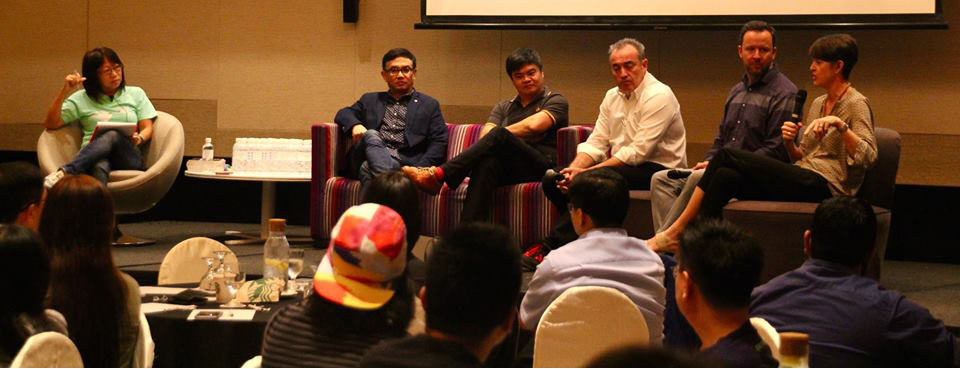
We all remember the first time we did anything – first kiss, first flight – so when I asked my panelists at Tern, the travel careers event, last weekend what was their first job in travel, they all had vivid memories.
Timothy Hughes, vice president business development at Agoda, worked at a bar in Australia when he was 15 and learnt all about human nature, which stood him in good stead as he went through law school and then ended up in travel which he said, “is all about relationships”.
Robin Yap, president Asia, The Travel Corporation, stared at aircraft parts in his engineering job at Singapore Airlines and made him appreciate that “there’s no margin for error because human lives are at stake”. It’s a discipline that he’s carried through his entire career in travel, of which the last 30 years have been spent with one organisation.
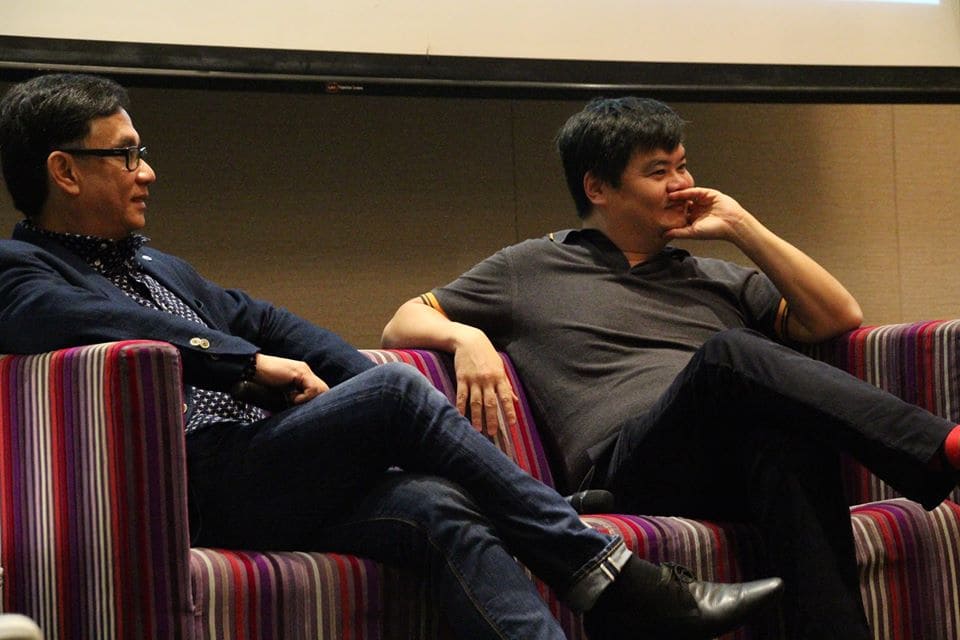
Robin Yap (left) and Loh Lik Peng sharing career advice on stage
Loh Lik Peng, founder of the Unlisted Collection, gave up a “soul destroying” career of being a bankruptcy lawyer and took his chances at buying a conservation shophouse in Chinatown and converted it Singapore’s first urban boutique hotel, Hotel 1929.
Greg Schulze, senior vice president at Expedia, had a good head for numbers and gravitated towards a career in data at American Airlines, starting as a revenue management intern. As he progressed in his career, he realised a good head for numbers wasn’t enough, you also needed to get on well with people.
Networking is as important as being good in your job, given the importance of relationships in the industry, and one advice Hughes had for the shy ones at cocktail parties was “ask open-ended questions”.
Louise Daley, executive vice president and CFO, Asia Pacific, of AccorHotels, also had a good head for numbers (in her case, financial) and in her early days, tried many part-time jobs to try them all out. “When you’re young, just try everything and see what you like.” Her first fulltime job was in housekeeping at the Regent Hotel, Sydney.
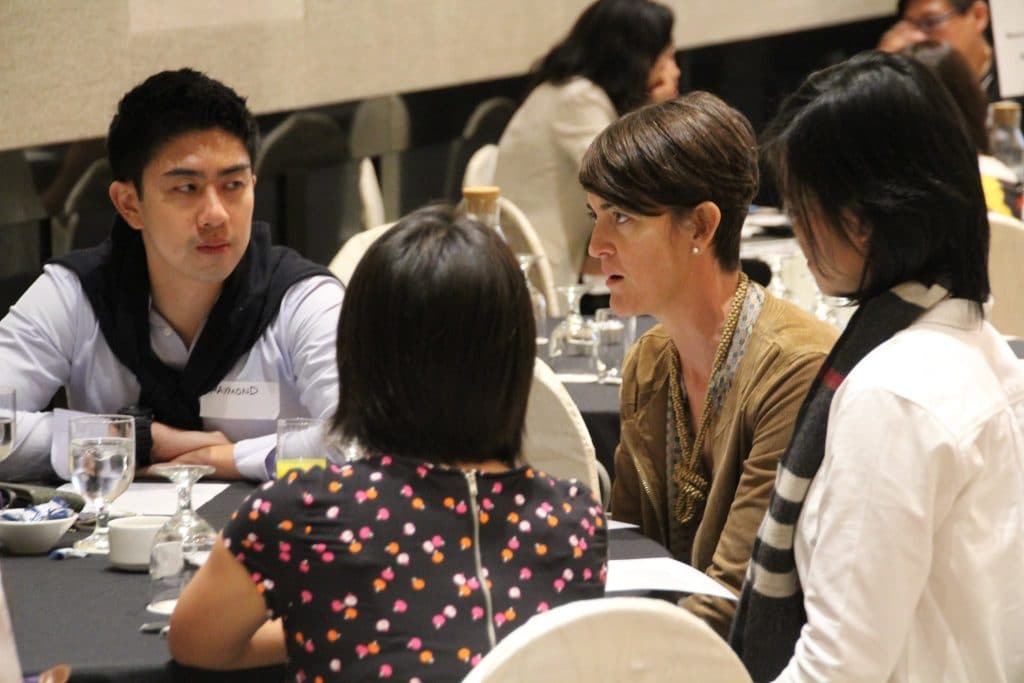
Louise Daley hosting one of the Tern Tables coaching circles
Ironically, she said that the abundance of choices today was making it difficult for youths to decide what they wanted to do. “In our days, we had very little choice, it was get a job and survive. I think what’s missing today is sheer doggedness, to stick to something and make it work.”
Yap is an example of an employee who stuck to one company and how he’s managed to keep himself refreshed and energised is getting involved with external activities be it trade associations or communities. “It’s simply making the best of what I have and enjoying it,” said the two-time cancer survivor.
Having the right mentors is also critical towards building a career. Loh said within a year of becoming a hotelier, of which he knew nothing about, he was lucky enough to be taken under the wing of Diana Ee-Tan, formerly of Raffles Hotels, and “I had a front row seat in the industry, and met many senior executives whom I would not have had the chance to meet ordinarily.”
Daley remembers her boss, the late Kim Mooney, for teaching her the ropes and for being a good friend as well as colleague. “The best mentors are honest, open, and critical without being unkind.” She took over his job after his untimely death a couple of years ago, a bitter-sweet moment for her.
TIm Hughes: Going after the money is a mistake
Failures are also character-building. Hughes said one mistake he made was going for a job because of the money even though his gut was telling him he wouldn’t be happy. He lasted a year. “Going for the money is a mistake,” he said.
In interviews, he said an important question to ask is, “Do I want to be like the person interviewing me?”
Daley’s advice to job interviewees was “get the spelling of the company right”. When she was tasked with the job of sifting through CVs, she was amazed by how many people got the spelling wrong. “Those go automatically into the thrash bin.”
Skills that are needed these days revolve around data and analytics and managing social media content, the panelists agreed, although Yap said mindset was more important than skills to build a rewarding career. “Skills you can pick up, mindset is harder to change.”
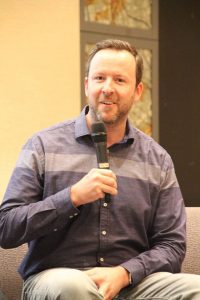
Greg Schulze: A career that creates great memories
One skill Hughes has had to learn in this new age of travel and technology is “communicating with introverts”. “People who work in technology and product tend to be introverts and I have to learn to work with them, so that I don’t overpower them,” he said.
The common thread though was once you’re in it, it’s hard to leave. A career in travel not only allows you to go places but hang out with like-minded people. “The great memories a travel career can give you – of great dinners in great places with great friends,” said Schulze.