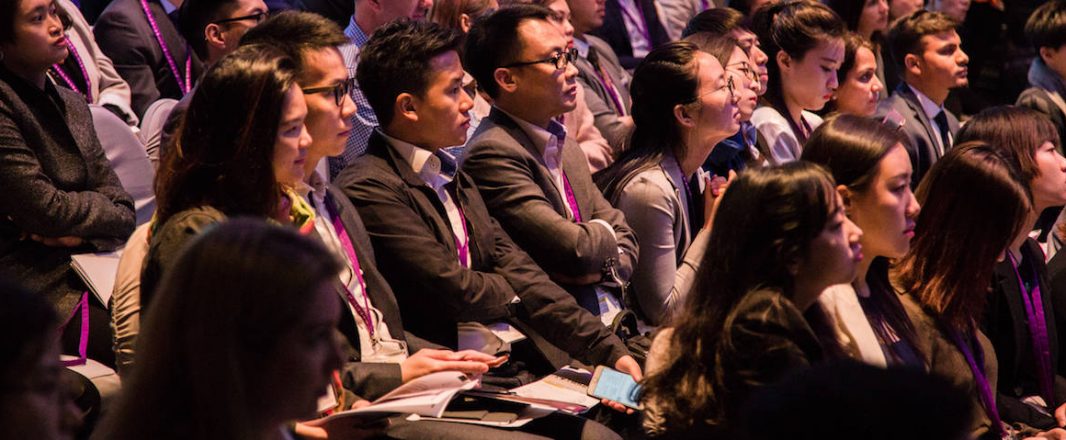
The second WIT Hospitality conference took place at Hotel ICON this week, one of Hong Kong’s more forward-thinking teaching hotels. The day saw close on 200 delegates attending, ranging from the usual CEO figureheads from major hotel groups to characters from ambitious startups.
Among them too was a large body of black and blue blazer clad students from the School of Hotel & Tourism Management, HK Poly U and The Hong Kong Polytechnic University… bright-eyed and eager to learn about the industry concerns that keep even the top-level executives awake and thinking late at night.
Coincidentally, “preparing talent for the new economy” and “finding qualified people” to take over as the next generation of hospitality leaders was very much one of the themes du jour.
It was almost unanimously agreed that more effort should be made to improve the attractiveness of hospitality as a career field, to fresh graduates and young executives. “People are our biggest asset,” said Lim Boon Kwee (COO, Dusit International), and given technology’s potential to ‘dehumanise’ a hotel experience, it would be remiss to neglect the issue.
Perhaps the most critical suggestion is that the hospitality industry needs to start cultivating a more advanced company culture. While there are exceptions, many hotel companies remain rooted in a hierarchical, legacy system… riddled with bureaucratic hurdles, slowing career growth to a frustrating pace for young and aspiring hospitality professionals.
What must be stressed is that future working generations (I hesitate to use the term ‘millennials’) are hardly any different to previous ones. Who has ever truly enjoyed being in a vertical hierarchy under the direct command of a barking boss who expects his team to follow orders blindly? Perhaps that is the way things were done in the past but it is clearly a flawed system and won’t be tolerated for that much longer.
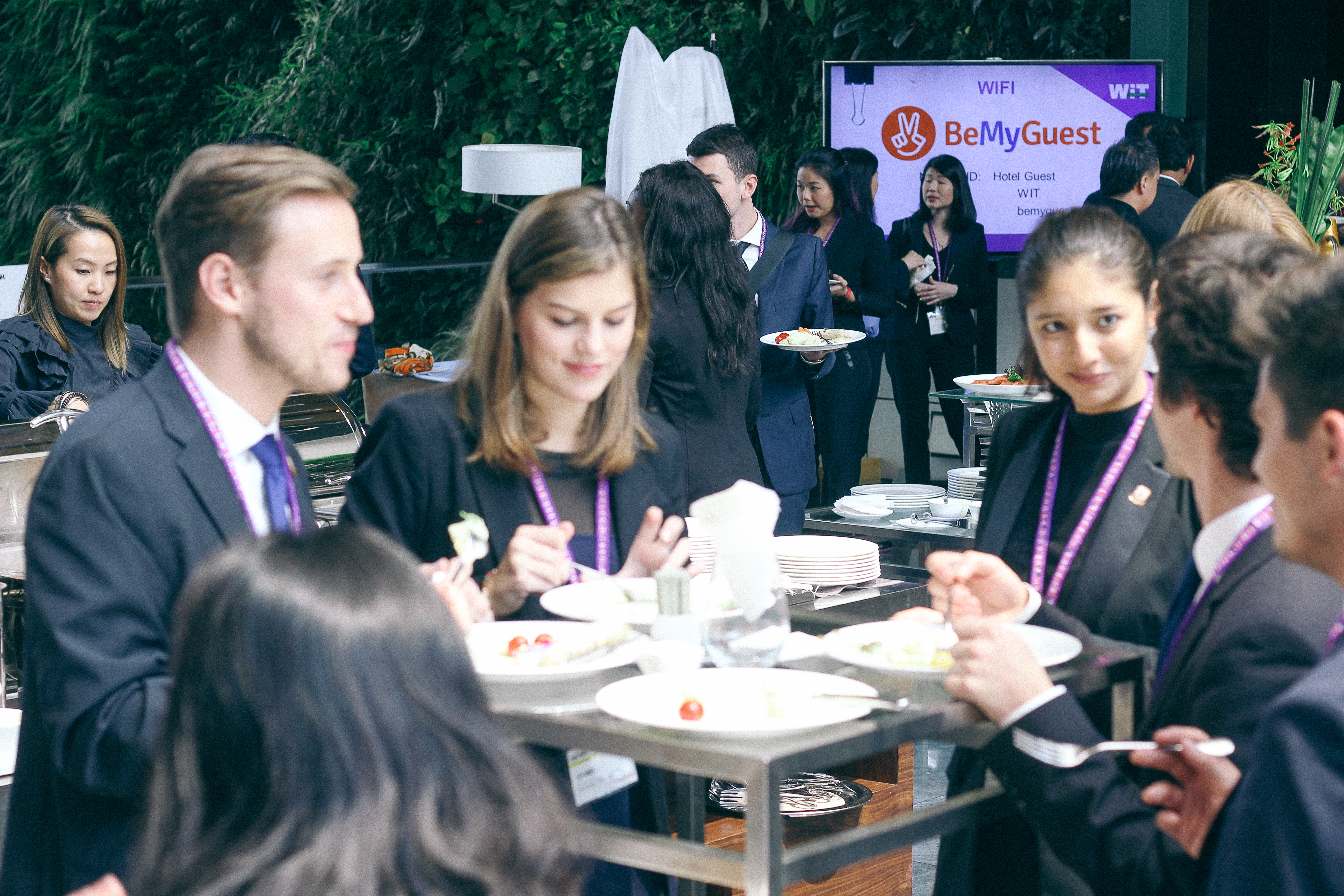
A modern hospitality career needs to offer opportunities like international travel and faster career progression
The industry would benefit from adapting to become a more flat-structured system where employees are regarded almost as equal counterparts rather than individuals teetering on different rungs of a steep corporate ladder.
A stronger focus on teamwork, mutual respect and actively encouraging young employees to share their ideas would do wonders to not only make them feel better valued but empowered to make positive change. Employees need to have genuine faith that upper management not only will help them feel relevant not just in their roles but in the wider company too.
Even something as simple as allowing employees the flexibility to dress in more colourful clothes could create opportunities for self-expression. If a uniform is necessary when out meeting clients, why not let individuals express their personal flair when in the office? It could do wonders to help shape the company brand, by making it representative of the collective identities that work for it every day.
If employers really want to get into the mindset of today’s young executives in the economy, they’d do well to think about it through an entrepreneurial lens. ‘Millennials’ hopping between and juggling different jobs isn’t a reflection of any lack of commitment… but rather the same ‘test – fail – learn’ approach startups use when trying to figure out a personal formula for success.
Sadly, more often than many care to admit, expecting a job to fulfil these criteria often sparks bitter reactions about ‘millennial entitlement’, ‘laziness’ and false belief that it’s easy to get to the top. But therein lies the problem. There is often too much resistance against finding ways to make work a rewarding experience, in favour of the simpler solution of sticking to the status quo and praying people stay interested.
The hospitality industry is notoriously slow at adapting to change but if it is to become a more attractive career option, it needs to keep up with the changing demands of the new working economy and culture. It needs to be cutting-edge, dynamic, stimulating.
Technology has created new jobs in virtually every industry, hospitality included. It’s created a world of options for fresh graduates, young executives and even mid-level professionals to take a sharp right turn in their careers. No one is glued to a single career track the way they perhaps were ten years ago.
The hospitality industry is arguably already the master when it comes to delivering memorable experiences to its guests. All it needs to do now is figure out how to deliver the same level of positive experience to its employees too.