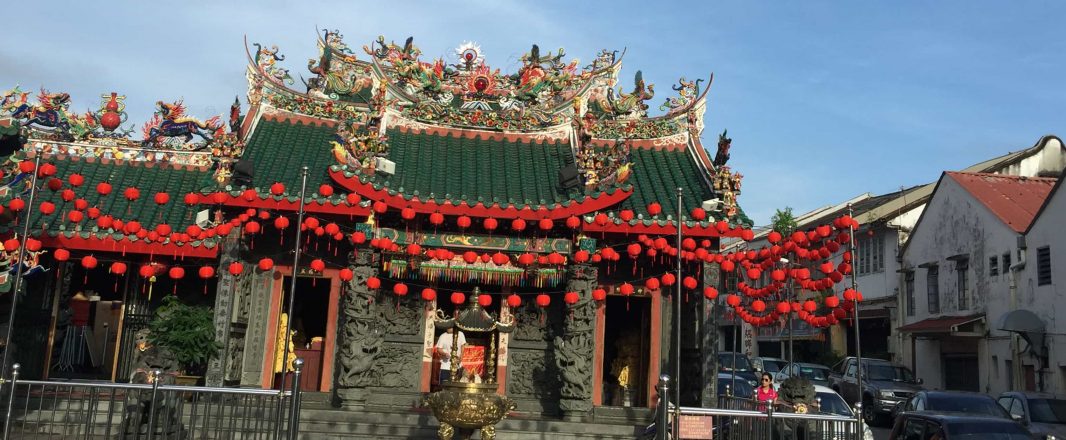
Just returned from Kuching and on the AirAsia flight to Singapore, I was reflecting on how the combination of low cost airlines and the web, specifically social media, has changed the fortunes and aspirations of folks living in second cities in Asia.
I hail from a secondary city myself, Penang, and I have seen my hometown transform, with good, clean governance, to a destination travellers want to visit and to a place where young people, either educated overseas or locally, feel there’s now a future for them.
At the Sarawak Tourism Forum, which I helped facilitate, I heard a young man, Rave Kwok, who runs the Earthlings Coffee Workshop in Kuching, talk about how “I didn’t discover social media, social media found me”.
He doesn’t have a website or an app, only a Facebook page, and he relies on social media channels like TripAdvisor and FourSquare for people to find him. Educated in New Zealand – “I don’t know why my mother named me Rave because I’ve never gone to any rave party” – he returned to Kuching to open the hipster cafe. Asked why he chose to open his café outside the tourist zone, he said that people were looking for local experiences and “coffee snobs” were prepared to go to “outer zones”.
He started with “latte art” content on his social media and then realised everyone was doing it. The lesson he learnt – “less is more, become an expert”. So Earthlings became an expert in coffee with workshops run by famous international baristas. “We can’t be for the masses, not the whole of Kuching. My customers take pictures of latte art and post them.”
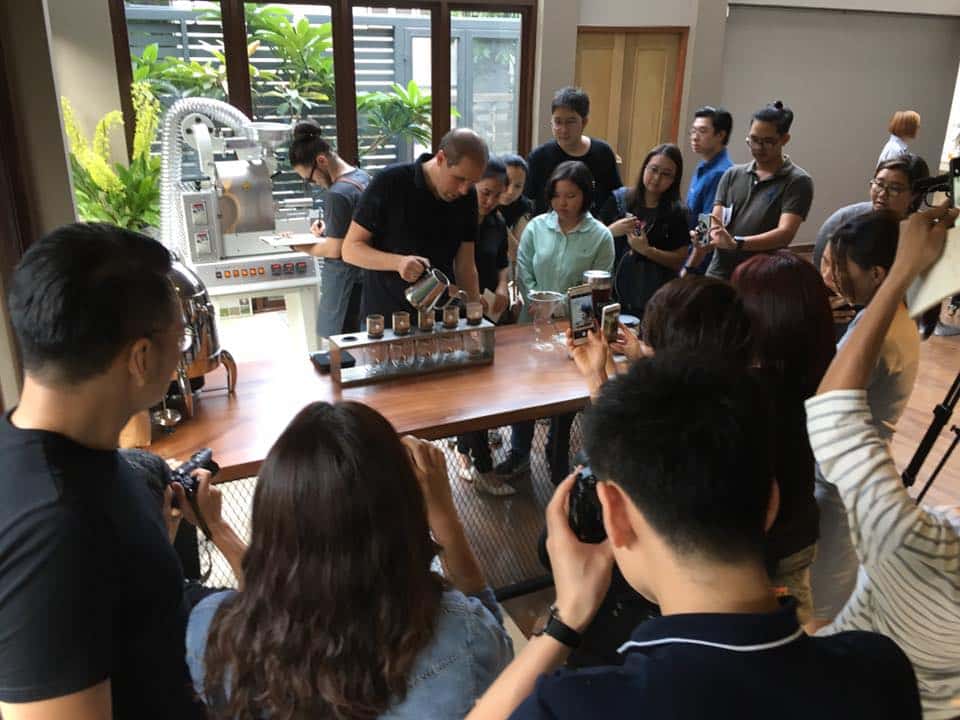
A workshop at Earthlings
I also heard an anecdote told by the proprietor of another social media-famous café in town, Black Bean Café, where tourists would come to the shop, take pictures and then leave without ordering any coffee.
“How can likes be turned into business?” asked someone at the forum, a question asked at WIT several years ago when social media was just getting traction. It is clear that “likes” may not translate into instant business but they definitely have an influence on decisions later down the line, and social media can turn the humble, hipster (okay, not so humble if it’s hipster) into tourist attractions.
So while the tourism authorities grapple with how to market their destination on these new channels, entrepreneurs are finding their own way as well as customers.
With its eye on Penang, Kuching has aspirations to become a startup city and in the discussion around “Startups in Second Cities”, it is clear it still has some ways to go before being noticed by major funds but it was wonderful to feel the energy and passion of the youths who want to make it happen and the belief that sometimes all you need is a spark.
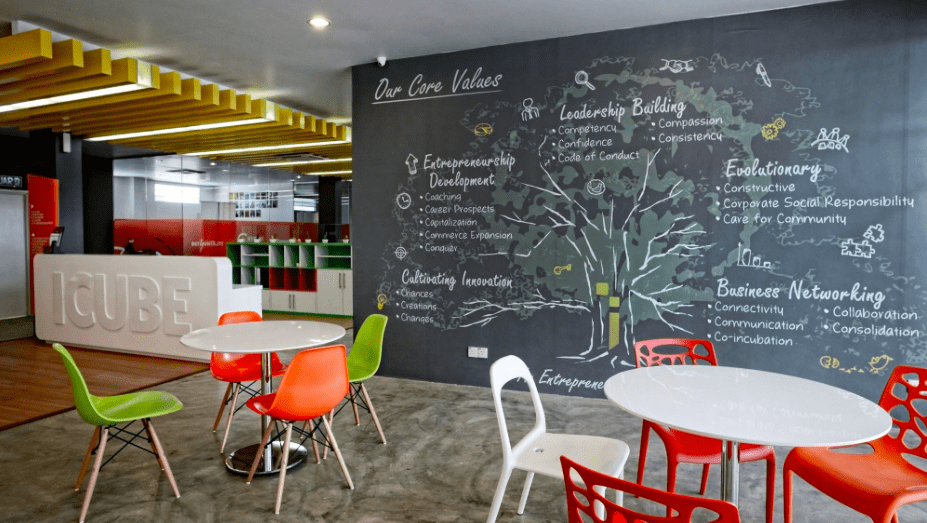
The iCube co-working space in Kuching
The first co-working space opened in 2015, iCube Innovation which promptly signed a partnership agreement with MaGIC (Malaysian Global Innovation and Creativity Centre) to promote startup thinking and build culture in Sarawak.
Kuching probably doesn’t score high marks yet in any of the five critical factors needed for a startup ecosystem – talent, density, culture, capital and regulatory environment – but when it comes to talent, the panelists on the “Startups in Second Cities” panel said that talent in Malaysia in general was underestimated.
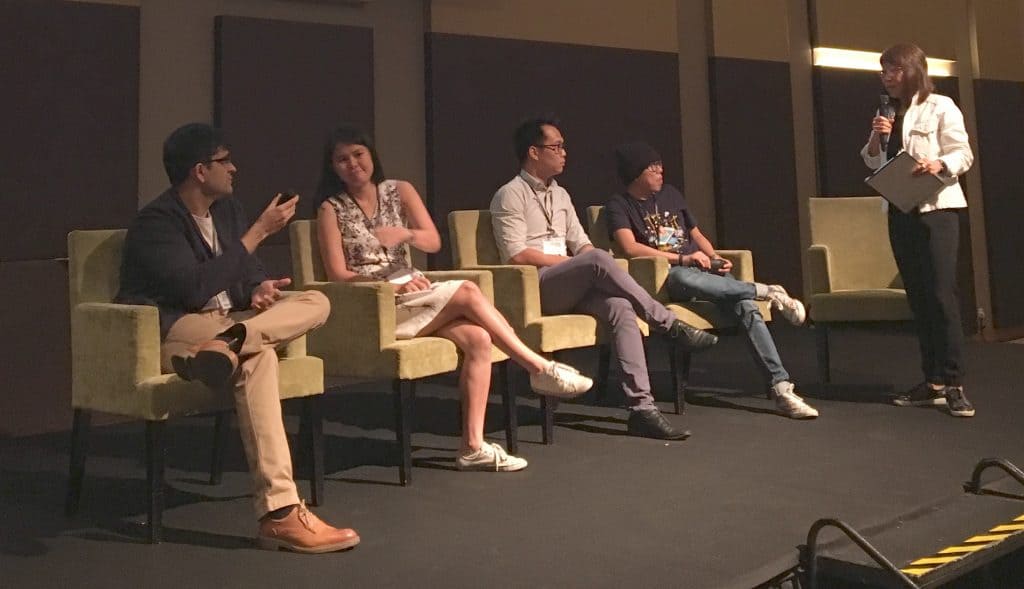
From left, Aditya Tuli, MaGIC; Yeap Mei Yi, Peatix; Malcolm Wu, iCube; and Curry Khoo, Second Startup, Penang on the “Startups in Second Cities” panel.
Yeap Mei Yi, general manager Asia for Peatix, said having had exposure to markets like Hong Kong and Singapore, “the talent in Malaysia is comparable”.
Besides local talent, there’s another breed of workers that’s emerged in the digital economy – call them digital nomads or laptop tourists – they are the modern-day hippies in search of free wifi, rather than love. James Hunt, who found himself in Kuching and staying because he loves it, says laptop tourists were currently favouring, in Asia, Chiang Mai, Bangkok, Koh Phangan, Bali, Saigon, Siem Reap, Penang and Koh Lanta.
At the forum, we heard from probably the first travel startup in Sarawak – Billy Yue, born in Mauritius, educated in Australia, married to a Sarawakian, built a software solution, X3NIA, to help hoteliers deal with guest complaints.
He found no takers among the hotels in Kuching – none of the hoteliers attending the forum had heard of him either – and so took his solution to Singapore where it was certified a productivity tool by the Singapore Tourism Board, a major milestone for the company founded in 2015.
Yue said if he had known how hard it would be, he would not have started the business. “I had no knowledge of the hotel business. I am a software engineer and thought this solution would help hoteliers but there was no interest – they seemed happy to do everything manually.”
Yue made an impassioned plea to the audience that talent exists in Kuching. “There are those who have returned, those who have moved here, look into your own community and you will realise the talent is here.”
The fact that he was mobbed after the forum showed his words resonated with the audience and that all it took was exposure on the right platform.
And this is what Curry Khoo, founder at Second Startup in Penang, says is needed for second cities – platforms that build content and community around startups. “Once we have those, the rest will follow. We need people to want to be startups and people to support them in any which way.”
And who cares about being small – it’s not a disadvantage, the panelists said. When I asked them to complete the sentence, “if you can’t compete in size, you …”, their answers were “focus on your strength and localisation”, “know your value”, “find your niche” and “tap into passion of local communities”.
Hark, the battlecry for small earthlings.