In the news: Indian travellers and self-service tech in airports, Travelport and Tourism Western Australia team up to launch targeted trade campaign and Sabre’s new partnership with Aviation Services Mongolia
TRAVEL: Indian travellers want more self-service tech in the airport
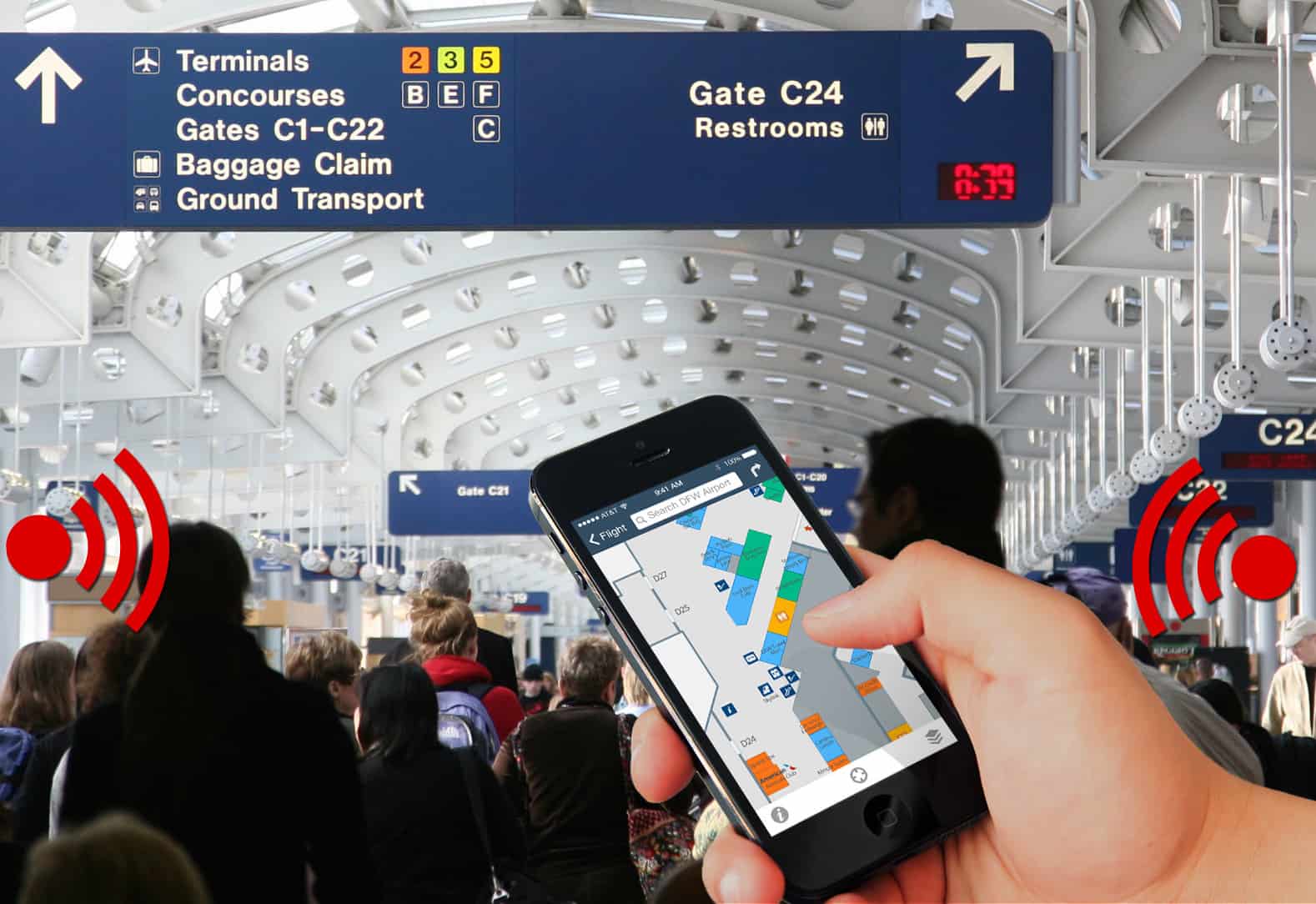
Indian travellers are willing to use biometrics to speed up their journey (Image credit: SITA)
Indian travellers are becoming more tech savvy and more familiar with the use technology, especially mobile, and are happy to use mobile services and biometrics to speed up their journey. This is according to the 2017 SITA Passenger IT Trends Survey by IT provider, SITA, and co-sponsored by Air Transport World.
Findings from the report show that the use of technology among India travellers is high at check-in (87%) and booking (52%). This year, however, saw tremendous growth in the use of technology at other points in the journey such as self-service bag tag that rose to 55% from 35% in 2016, while self-bag drop climbed from 12% last year to 21% in 2017.
Travellers are also demanding new mobile services with 83% saying that they would definitely use flight updates on their mobile, 82% to report mishandled bags and 79% to track their bags in real-time.
SITA said this “comes as no surprise with more than one billion Indians using at least one mobile device in 2016, of which 300 million are using a smart device” (statistics from Telecom Regulatory Authority of India).
“In India travellers are increasingly demanding the use of self-service and mobile technology in the airport, to speed up their journey. This expectation, in many cases, is running ahead of availability in Indian airports today,” added Maneesh Jaikrishna, SITA’s vice president Indian Subcontinent, Eastern & Southern Africa.
For example, 54% of passengers said they would rather use self-bag drop than a face-to-face interaction with an agent, compared to 33% globally and well ahead of current usage.
Another area that is gaining the attention of passengers is the use of biometrics. Indian travellers have shown greater willingness to use biometrics to speed up their journey through the airport than the rest of the world. About 70% of passengers in India said they would definitely use biometrics, removing the need to show a passport or boarding card at key points in the airport. This was well above the global average of 57%.
The India’s civil aviation ministry’s drive to link passenger biometrics in identity cards and passports with the databases of airlines and airports is behind the growing preference to use biometrics. This will enable passengers to use their face as their identity, expediting checks across the airport .
“Many travellers are comfortable with the use of biometric and see the benefits of using them on their travels. This aligns perfectly with the need to find more efficient ways to manage more passengers using the same infrastructure. There is little doubt that technology is the key resolution India’s constraints on airport infrastructure,” Jaikrishna added.
SITA said these trends could provide airports and airlines the opportunity to benefit from technology to push operational efficiencies to meet the demands of the rapidly growing passenger numbers across India. The number of passengers across the country is rapidly growing, and is expected to grow by 337 million over the next 20 years to 2036
• Download the 2017 SITA Passenger IT Trends Survey here.
DESTINATIONS: Travelport teams up with Tourism WA to boost visitor numbers

Perth’s Elizabeth Quay is a popular place to relax and dine (Image credit: BWA_IMAGES/iStock-Getty Images)
Tourism Western Australia (Tourism WA) has partnered with Travelport to promote Perth and Western Australia to travel agents.
“With access to more than 68,000 travel agencies worldwide, Travelport would help our agency effectively reach thousands of travel professionals and teach them about what WA has to offer as a tourist destination,” said Tourism WA’s executive director strategy, brand & marketing services, Louise Scott
A targeted trade campaign has been launched since October to stimulate interest among travel agents within Australia, and to raise the awareness of unique experiences offered by Western Australia.
Travelport said the campaign was also to encourage more tourist arrivals for Western Australia.
The campaign has engaged over 200 agents who have completed a mini-training portal and referred friends and colleagues to participate in the training. Based on bookings done on Travelport’s platform, there was a 16% growth in October for WA, compared to the same period last year.
TECHNOLOGY: Sabre expands presence in Mongolia in new deal with ASM
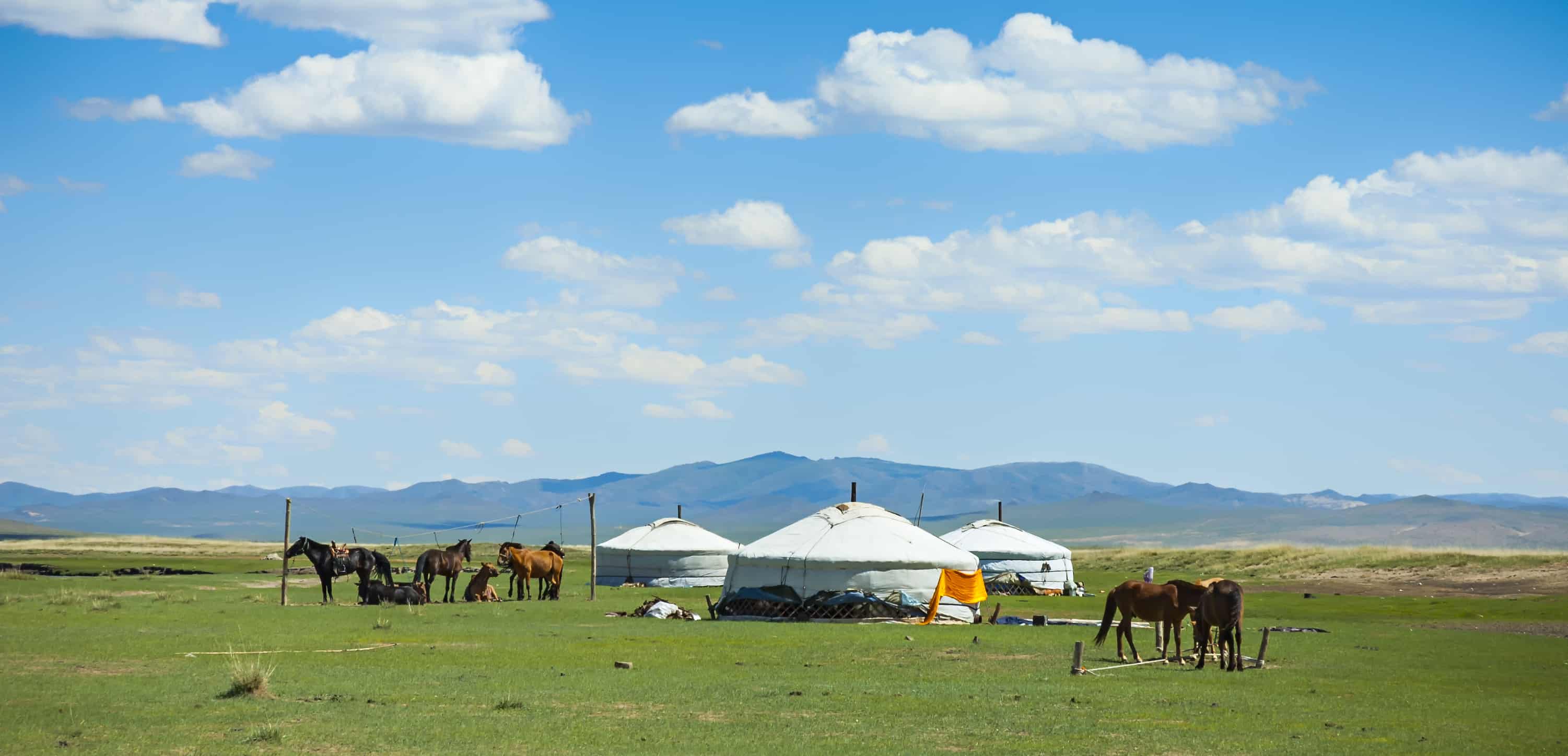
Yurt camps for tourists in the steppe of Mongolia (Image credit: zwawol/iStock-Getty Images)
Aviation Services Mongolia (ASM) is distributing Sabre global distribution system (GDS) in Mongolia from this month under a new agreement with the technology provider.
In tandem with this deal ASM has converted Air Market, Mongolia’s largest travel agency, to the Sabre GDS. This gives the agency access to hotels, airlines and other services including car rental, rail and cruise providers through the Sabre travel marketplace.
“The partnership will help Air Market better cater to their customers’ travel needs, making it easier and more convenient for them to travel around the world regardless of their travel objectives, preferences and budgets,” said Sabre in a statement.
According to Todd Arthur, vice president of Sabre Travel Network, Asia Pacific, the partnership “makes Sabre the leading GDS in Mongolia”.
Margad Byambajav, founder and CEO of ASM, is positive the partnership will allow for greater ease of travel into and out of Mongolia, as well broadening the country’s tourism industry.
• Featured image credit: michaeljung/iStock-Getty Images