The findings are collated from broadcasts of the Abacus TripAlert, which advises travel management companies of incidents that threaten their travellers’ schedules and safety. Together with its partner, AidCom, Abacus analysed over 5,000 early warning alerts broadcast in 2013.
The results revealed that although natural phenomena were the single largest source of inconvenience, repercussions from man-made disruption, the second largest source, were much more serious compared to forces of nature as they often evolved into other alerts as they escalated.

Natural causes accounted for 28% of all travel disruption, either from severe weather conditions or other naturally occurring events. On a regional front, both Oceania and Southeast Asia took a battering last year with 275 and 219 nature alerts, respectively. Globally, the Americans suffered most frequently with almost 500 alerts.
Out of a total of 1,451 security alerts broadcast by AidCom last year, 25% were considered severe and led to defensive measures that played havoc with travellers’ plans. Road, airport and even border closures are a common outcome under such circumstances.
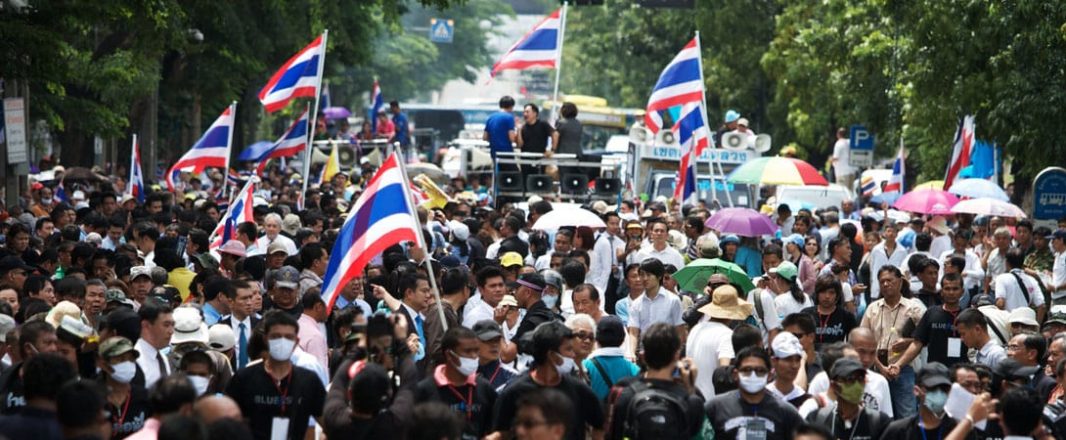
All man-made political and security related events accounted for four in every 10 alerts, often linked to each other. From the one-in-seven, which warned of localised political activity in 2013, 136 were and 64 curfews. Looting was a by-product mentioned in a separate 40 alerts.
“The domino effect is why early warning is so important,” said Peder Kvendset, CEO of AidCom. “A political rally or election turning violent quickly becomes a security issue for travellers. Reports of terrorist activity will also spike in the feeds, prompting companies to consider their duty of care to staff working in the vicinity.”
Traffic advisories were the next highest in alerts, detailing the locations where congestion, cancellations or closures are likely. Almost half of all political and security incidents reported last year triggered one or more of the 1,488 urgent traffic alerts.
“We track these incidents against travellers’ itineraries two days before, during and after their trip to provide as much information as we can to minimize the effects of disruption,” said Robert Bailey, president and CEO of Abacus. “Essentially, Abacus TripAlert gives our agents a window to act, before their travellers’ options narrow.”

Overall, the Middle East was the focus of the most security alerts at 437 last year, followed by Iraq with 209 and Syria 115. Cairo was the subject of more alerts (of all types) than any other place on the planet. It was top of the list of cities for political alerts and third for those security-related, just behind Baghdad and Damascus.
In Asia, both India and Bangladesh witnessed frequent clashes and varied protests. Pakistan’s economic capital Karachi produced 25 security alerts during the year, just ahead of Bangkok’s 22 political alerts and nine security.
“The data from 2013 gave us some indication of the risks for this year, perhaps explaining the interest in Abacus TripAlert so far, especially amongst corporate travel agencies with clients who travel to the most exposed areas,” added Bailey.
“While the travel industry flexes exceptionally well around these events to minimise the inconvenience, corporate clients really do appreciate the added foresight of the technology, which offers them the best possible range of options and at least some degree of control.”