
One message was clear at the WIT Japan & North Asia Bootcamp which took place in Tokyo today – small startups, especially in the B2C space, will face massive challenges going forward in the battle for user acquisition and funding.
Masahiko Honma, general partner of Incubate Fund, was first to single out customer acquisition as a key challenge facing startups. “Channels are getting diversified and fragmented,” he said during a panel on “Chasing The Next Better Thing”.
Another trend is the unbundling of hotel operations. While a lot of services in the past were done by hotels, today, because of cloud-based and mobile networks, tasks are being unbundled. This gives opportunities to startups offering tech solutions to property owners.
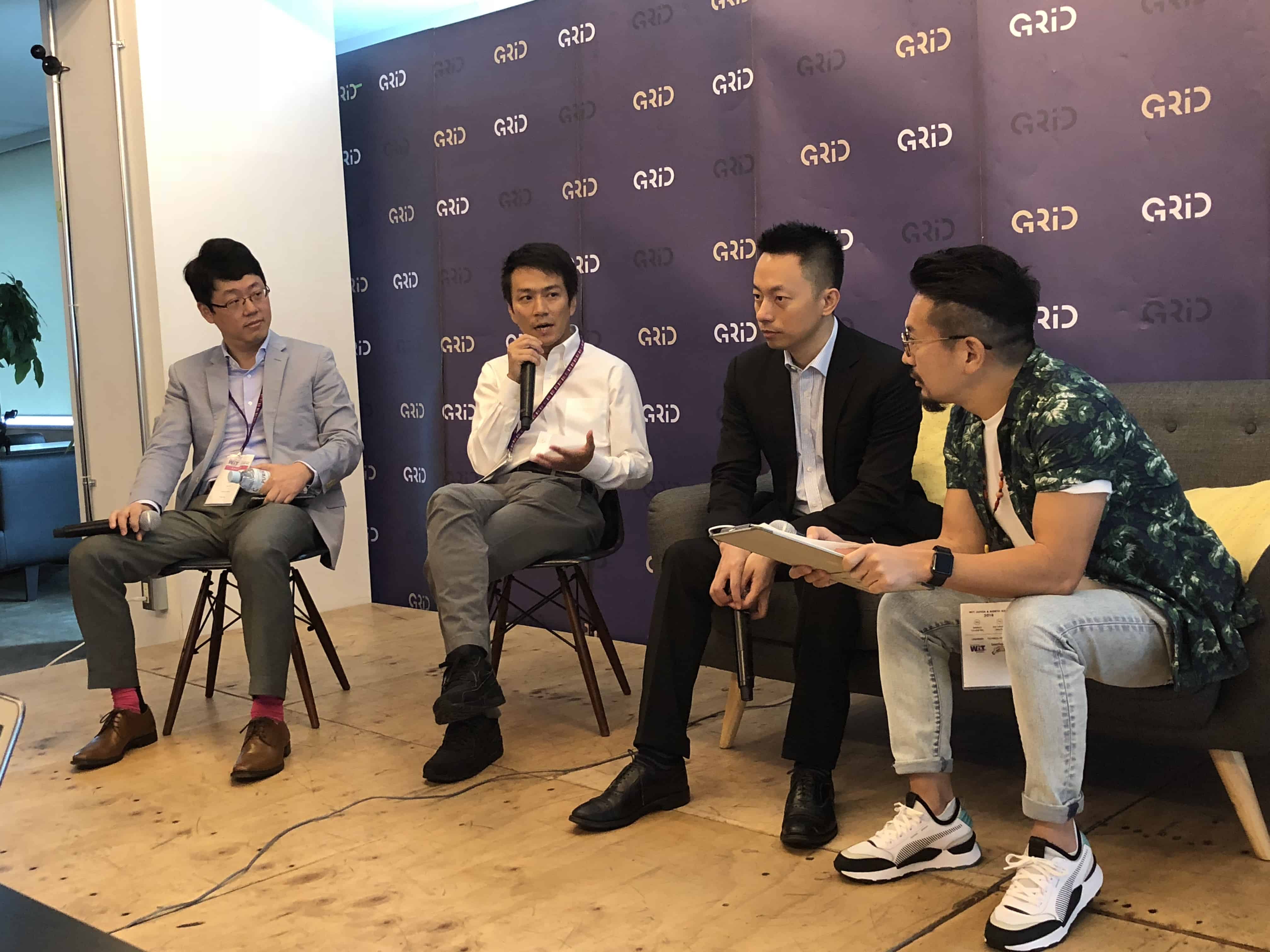
Chasing The Next Better Thing are, from left, Allan Kuan-Hsu, KK Fund; Masahiko Honma, Incubate Fund; and Zhou Shi Wei, Ctrip, with moderator Kei Shibata, Venture Republic
Citing the example of his investment in SQUEEZE, a Japanese tech solutions company targeted at independent hotels and private homes, he said its call centre is in the Philippines while the cleaning service is being done by locals. “This has never happened before.”
In South-east Asia, Allan Kuan-Hsu, co-founder and general partner of KK Fund, said the rise of domestic travellers was an interesting opportunity and his fund has invested in an Indonesian accommodation site. “It is still small but we like the South-east Asian opportunity. You have to ask, why is there only one Traveloka in South-east Asia?”
Ctrip’s vice president of investments and investor relations, Zhou Shi Wei observed that overall, the money was flowing to the bigger players which will create more challenges for smaller startups. “A lot of money is going to transportation, customer acquisition is getting harder and companies are spending money to acquire customers with coupons, discounts, etc.”
According to Phocuswright State of Travel Startups, of the $90b raised between 2015 and second quarter 2018, 74% were raised by 10 companies who all raised more than $2b each. The three key areas were ride/taxi hailing, private accommodation and bike/cycle sharing.
Zhou said Ctrip’s investments remain focused on strategic assets and last year, most of its investments were overseas, in light of the saturation in the Chinese market as well as its intent to globalize.
Kuan-Hsu said that in South-east Asia, companies like Grab and GoJek were taking a playbook out of WeChat, “using one platform as a touchpoint, and expanding to myriad of services that the same customer has not had access to before, and then you add the payment option – that’s their plan to conquer South-east Asia, and Traveloka is doing the same thing.
“All these platforms are offering services beyond their core – there’s GoMassage from GoJek and Traveloka is getting into hotel management as well. The lines are blurring.
“These well-funded marketplaces and platforms expanding and using their money to expand their services may make it difficult for startups to compete,” he noted.
As for areas they were interested in, Zhou said Ctrip had its eyes on tours & activities in the short term but longer term, it is interested in disruptive technologies like AI. Honma said he was more interested on the operational side of the business.
Kuan-Hsu singled out accommodation and domestic travel in South-east Asia. “We are only starting to scratch the surface,” he said.
Asked either or questions, in terms of what they looked for in startups currently, they picked marketing over technology, AI over blockchain and Singapore over Tokyo as the place to start a travel business.
Note: Challenges notwithstanding, three startups – Airbuy, ShootMyTravel and Travelsify – will compete in the WIT Japan & North Asia Grand Finals tomorrow on the Main Stage.
*Featured image credit: NiseriN/iStock-Getty Images