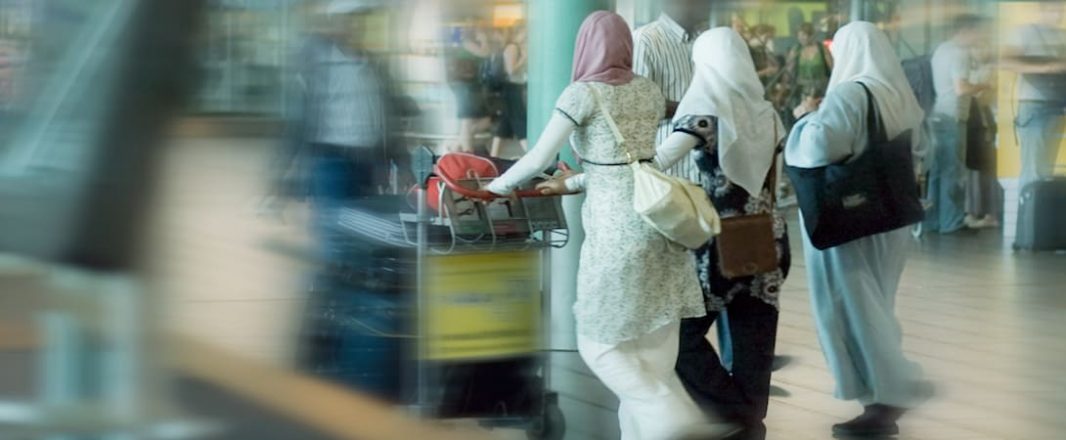
The numbers say it all – by 2060, there will be 3 billion people globally who identify as Muslims, one in three of the world’s population (statistics from Pew Research Centre ).
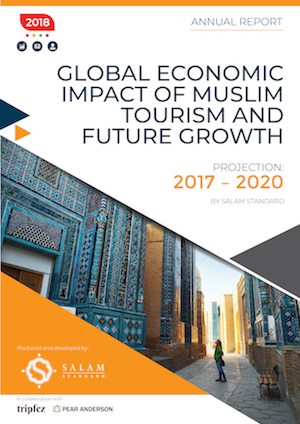
With the rate of this growth at 70% compared to the global average of 32%, the Muslim tourism market will play an ever-increasing part of tourism’s overall GDP (Gross Domestic Product) impact but its potential is yet to be realised, according to a new report, Global Economic Impact Of Muslim Tourism And Future Growth Projection: 2017 –2020.
This report by Salam Standard, an online hospitality tool for Muslim travellers that displays Muslim-friendly amenities and services in hotels according to categories, was shared with WiT on the sideline of the WiT Bootcamp.
The study looks at where the Muslim tourism segment grew to in 2017, as well the trends in a snapshot from 2017 to 2020 across 19 individual economies covering 80% of the world’s Muslim travel market. They include the Americas, Asia, Europe, the Middle East and Oceania.

Faeez Fadhillah: Plenty of opportunities for established companies and and startups to take advantage of Muslim travel. (Image credit: Tripfez)
According to Faeez Fadhlillah, CEO and co-founder of Salam Standard and Tripfez, a Muslim-friendly hotel booking portal, it is “the only report that looks at the economic impact of Muslim tourism towards the GDP, the tax contribution, as well as jobs creation both direct and indirect.”
This is a continuation of the company’s previous report in 2016. The difference between the past and this new report is that “we also did a projection based on previous trend on the future outlook of Muslim tourism as well,” added Faeez.
The study uses tourism statistics published by the UN World Tourism Organisation (UNWTO), the World Bank, and the World Travel and Tourism Council (WTTC). The direction of Muslim travel expenditure is then estimated using Pew Global Research data on the percentage of Muslim populations in all countries worldwide.
According to the findings, last year the total GDP impact of Muslim travel was US$148 billion, with a total direct and indirect employment of 4.7 million people. By 2020, this number is projected to rise to US$183 billion and 5.6 million employed worldwide.
“We also take a look the total GDP generated from Muslim tourism as a percentage of total tourism seeing huge range from 4% in Vietnam, which shows the huge potential it still has, to 78% in Saudi Arabia indicating the importance of Muslim tourism for this nation,” Faeez disclosed.
One region forecast to grow fast in outbound Muslim travel expenditure is Asia, from US$20.9 billion n 2017 to US$29.6 billion in 2020. Indonesia, China and Malaysia , powered by prosperous economies, a growing middle class and a younger generation of travellers by 2020 are set to contribute about 17% of the total global Muslim outbound expenditure, outpacing the entirety of the European countries that will collectively contribute just 17%.
The USA still benefits disproportionately from Muslim travel, with close to 300,000 employed and US$43 billion of Muslim inbound tourism spend forecast by 2020 – despite a dip in 2016 and 2017 due to new travel policies negatively affecting Middle Eastern arrivals.
 The definition of Muslim travel in the study “covers not just faith-based travel, but all types including leisure, business and visiting family and friends overseas.” With tours and activities now such a big and popular travel segment will Muslim travellers go for these experiences too?
“The world is moving towards a localised and personalised travel experience and this includes the Muslim travel segment in terms of tours and activities. They are looking for a full-fledged halal experience. Certainly the selling of activities and tickets is a part of such experiences, but in terms of tours they are looking for a full halal experience,” Faeez replied.
The future of Muslim travel is “exciting” with a visible impact on both inbound and outbound tourism expenditure, he said.
“We also see a gradual trend for inbound travel to countries which do not necessarily have a Muslim-majority population and have therefore been regarded as traditionally more difficult to visit whilst staying compliant to the Muslim faith.”
Faeez advised national tourism organisations (NTOs) worldwide “to take account of this fast-growing market segment when formulating their future strategies, and there are plenty of opportunities for established companies – and freshly formed startups – to take advantage of the niches that Muslim travel will open over the coming years.”
• The full free report will be available in early November, and can be downloaded here.
• Featured image credit: Enjoylife2/iStock-Getty Images