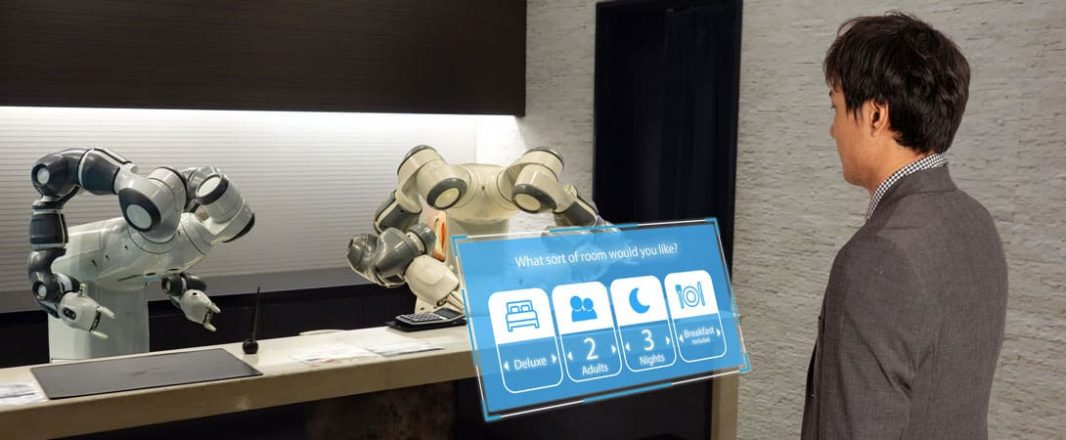
Travellers checking into hotels today are usually greeted by guest relations personnel, stay in the traditional room types (single, double, suite or family rooms) and avail themselves of a number of services. All tried and tested, and loved by most.
However, this picture is set to change as the number of international travellers is expected to double to 8.2 billion by 2037 according to the International Air Transport Association’s (IATA) 20-year forecast, so too do the demands on the hospitality industry.
Consumers, most of whom are tech-savvy, are demanding more from hospitality providers as they seek seamless, personalised experiences. Hotel brands have to better understand their guests’ motivations and cater to them, as well as invest in technology to meet these changing needs.
New research from Amadeus and InterContinental Hotels Group (IHG) – Drivers of Change in Hospitality – produced in collaboration Foresight Factory and Cornell University, identified three themes that the sector must respond to meet the needs of the consumer of the future
The themes – The beginning of the end for room types, Achieving cult status at scale and The rise of tech-augmented hospitality – are gleaned from findings of a survey of over 7,500 consumers worldwide and industry experts.
The beginning of the end for room types
This is a key trend that will see guests able to swap desks for yoga mats, stream their own content through the in-room TV or ask for that third-floor room with their preferred view. Hotel accommodation, which has traditionally been bought in a standard and uniform way, will have to adapt to travellers’ evolving demands.

(Image credit: Tero Vesalainen/Getty Images)
According to the research, 61% of global travellers state a preference for hotels to be priced in a way that allows them to add-on bespoke options. This will lead to the emergence of attribute-based booking where guests pick and choose the individual components of their room, marking the end of traditional room types.
New selling models will become more mainstream too, with guests able to book a room for a length that suits their needs rather than a traditional overnight stay.
Achieving cult status at scale
This kind of status, usually reserved for luxury or boutique hotels or consumer brands, will be available for all if hotels can build a loyal base of fans. In the competition for guest loyalty, hospitality providers need to identify how to offer value through delivering memorable, shareable experiences.
The study suggested that for hoteliers to do this they must understand individual guest needs on each trip, and offer a host of unique and unexpected surprises. About 70% of global travellers would like hotels to provide more advice and tips about unique things to do, with only 20% saying they currently get ideas from the hotel.
If hotels could achieve this, personal attention and personality will no longer be a characteristic of boutique brands only, the study stated. Instead, data allows hotels to anticipate the best way to make each individual guest feel valued.
The rise of tech-augmented hospitality
Hospitality providers will need to serve guests in a significantly more connected way, striking the right balance between automated solutions and human interaction.
The study details how technology will be used to empower staff to deliver unprecedented levels of service at scale. It suggests that technology needs to support human interaction, not replace it, as the majority of guests (67%) say they prefer to interact with a person for the emotional interaction. For example, the deployment of real-time translation earphones and smart glasses could ensure that concierges easily interact with guests in their native tongue.
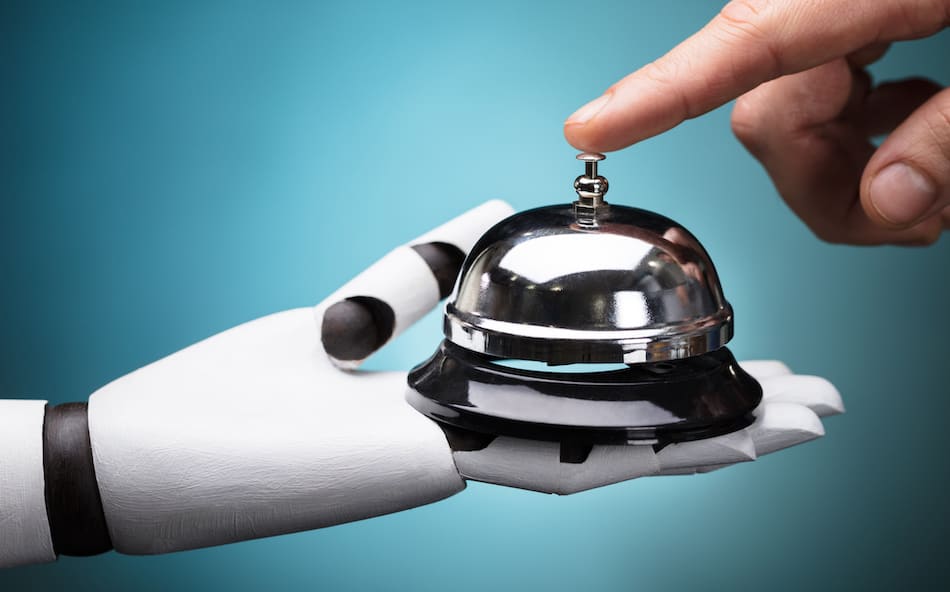
(Image credit: robot AndreyPopov/Getty Images)
Commenting on the study, Chris K Anderson, director of Centre for Hospitality Research, Cornell University, remarked: “The hospitality industry is on the cusp of a new chapter. Guests are seeking richer individual relationships and seamless experiences with their hospitality providers, and are willing to share more data and insights than ever before.”
Francisco Pérez-Lozao Rüter, president, hospitality at Amadeus, hopes the research “will prompt industry debate and discussion as it demonstrates the significant opportunity that technology offers hospitality providers to enhance the guest experience, as well as their business.”
Download the report Drivers of Change in Hospitality
• Featured image credit: Ekkasit919/Getty Images