News Roundup: SITA’s new report on the increasing number of digital travellers and their impact on aviation strategies, Amadeus and CyberSource jointly addressing travel fraud, India Airlines and subsidiaries to remove single-use plastics on all flights
Aviation: Tech-savvy travellers will drive digital plans of airlines and airports, says SITA
(Image credit: Dzurag/Getty Images)
The growing number of digital travellers who demand more automated, seamless journeys will have the biggest impact on airline and airport passenger strategies over the next six years to 2025.
This is revealed in a new report, 2025: Air Travel for a Digital Age, published by SITA. It found an estimated 68% of all air passengers will be digital travellers by 2025, who will demand more automation and hands-on control over each step of their journey.
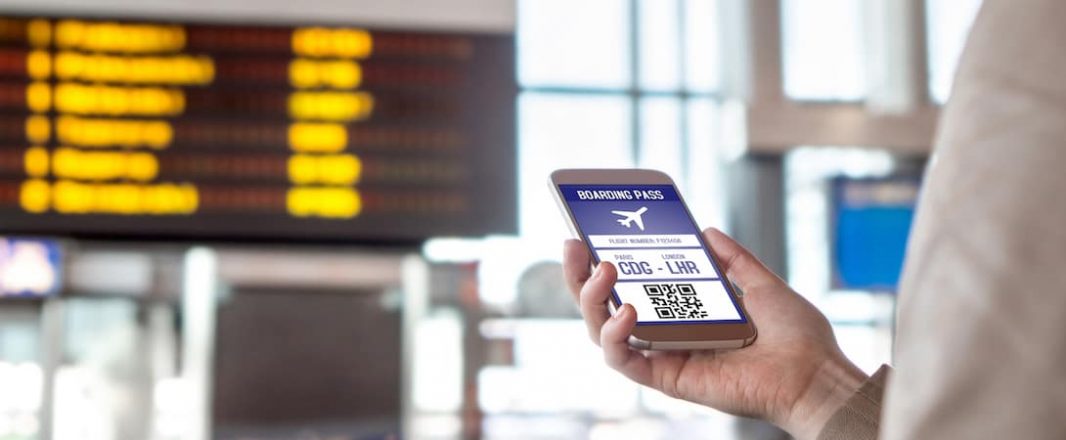
They are expected to use their mobile phone to access services ranging from baggage location notifications, to boarding and payments. They also want their trip to be delivered as “a single, unified experience” across airports, airlines, border control and other modes of transport from the moment they leave home to arrival at their destination.
“This demographic shift brings with it the expectation to use technology everywhere – including during travel. This will have a profound impact on how passengers interact with airports and airlines by 2025,” said SITA CEO Barbara Dalibard.
“In fact, 83% of airport and airline IT leaders surveyed by SITA believe that this demographic shift will be the most important influence on their passenger solutions strategy by 2025.”
This shift requires more efficient operations and collaboration between airlines, airports and other stakeholders responsible for delivering that experience, Dalibard maintained
She cited baggage as an example. For a single journey a bag can change hands a dozen times between the airline, airport, the ground handler and customs agencies. If the right data is not shared between the entities, it is difficult to keep track of that bag or to provide the information the passenger seeks on their whereabouts of their bag.
“Without this collaboration, we will not be able to deliver the journey digital travellers want.”
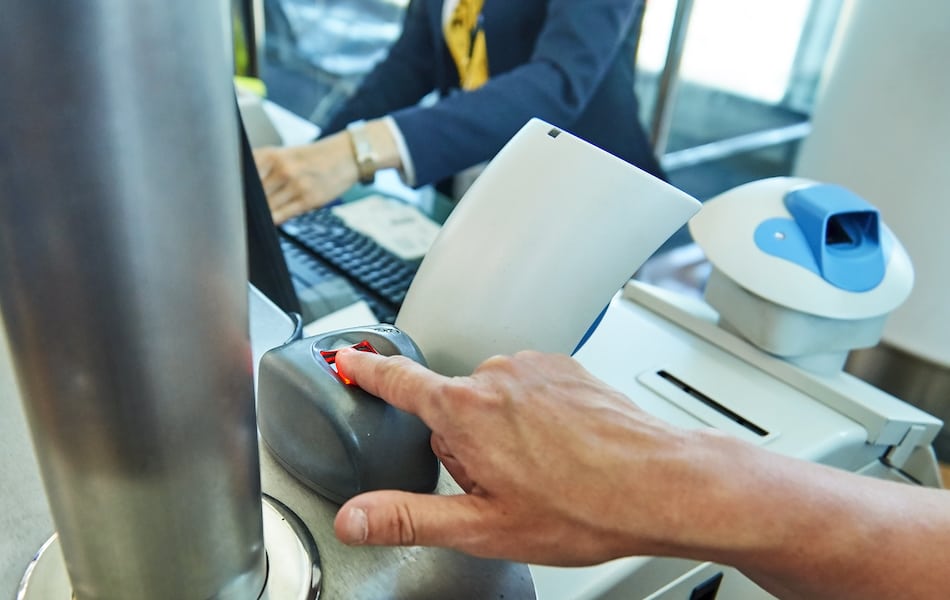
Biometric technology has also been identified as another key enabler of delivering automation and linking each step of the journey smoothly. This technology is already being used at airports for border control and boarding aircraft, which is set to grow significantly, both in geographic spread and functionality.
According to SITA’s research, more than over half of the industry’s IT leaders believe biometric travel tokens will be the key driver for the future passenger experience.
Currently biometric identity is largely used across a single journey or airport, but the industry is increasingly shifting its focus to providing a “persistent digital identity” that can be used across multiple journeys.
“To truly benefit from biometric technology we, as an industry, need to work together to develop and agree a digital identity that not only provides passengers control over their identity but is accepted in any airport and across borders, much like passports are today,” added Dalibard.
“This cannot be done in isolation and requires a high degree of collaboration to make it a reality.”
SITA is already working with industry organisations such as IATA, ICAO and ACI and is founding steward of the Sovrin Foundation, a private-sector, international non-profit whose mission is to enable self-sovereign identity online.
• Download the report 2025: Air Travel for a Digital Age here.
Technology: Amadeus cooperates with CyberSource to tackle fraud in travel
Two-factor authentication are required for most electronic payments made in the European Economic Area.
(Image credit: NicoElNino/Getty Images
Online card fraud is on the rise worldwide and Europe suffers from an estimated €1.3 billion in losses from fraudulent transactions each year, according to the European Central Bank.
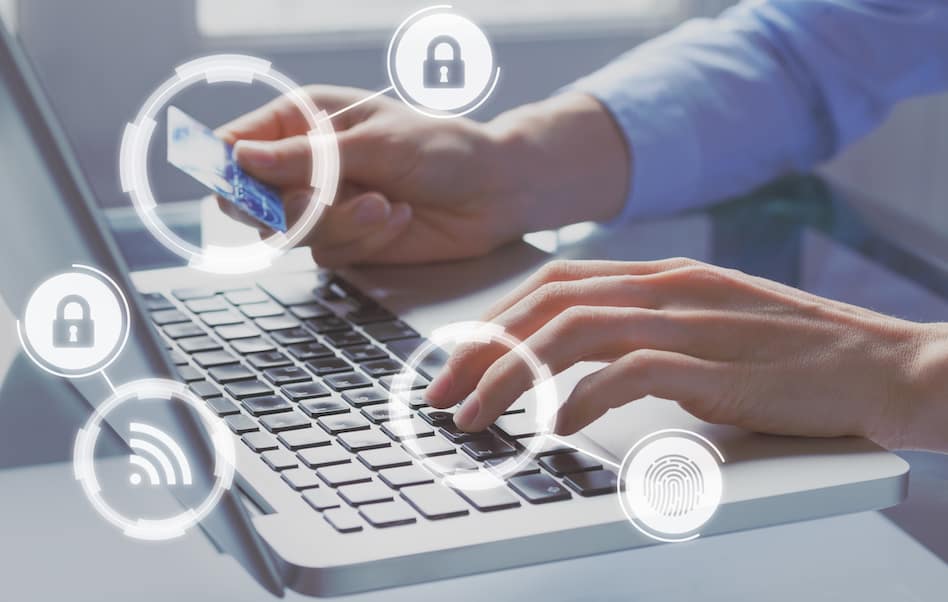
This has led to the implementation of the Payment Services Directive 2 (PSD2) and the Regulatory Technical Standards (RTS) mandate, known as Strong Customer Authentication (SCA), which introduces two-factor authentication for most electronic payments made in the European Economic Area (EEA).
Amadeus has joined forces with CyberSource, Visa’s payment management platform, to offer SCA to the travel industry to protect against fraud.
“This collaboration will help travel merchants prepare for SCA, reduce fraud risk, and minimise the potential impact on customer experience with the introduction of two-factor authentication,” said Amadeus in a statement.
The RTS stipulates that, for the majority of electronic payment transactions within the EEA, the payer will need to prove their identity using at least two of the below techniques:
- Something the payer knows (e.g. PIN)
- Something the payer has (e.g. SIM card or mobile device)
- Something the payer is (e.g. fingerprint)
To help support SCA requirements, CyberSource’s 3-D Secure (3DS) two-authentication solution is being integrated with Amadeus’ payment platform. This means travel merchants and banks involved in payments can exchange significantly more data, which supports improved risk assessments.
“The travel industry, like so many, is facing a new era shaped by new technology and regulation. This is coupled with the changing demands of consumers, who are expecting to interact and transact with ease,” commented Justin Fraser, head of CyberSource Europe. “”It’s critical to offer a seamless payment experience, while meeting new regulatory requirements and delivering effective authentication and fraud management.”
He added that travel merchants using the right technology “will be in a stronger position to optimise exemptions under SCA, manage fraud, and ultimately deliver on traveller expectations for simple and secure travel payments.”
Bart Tompkins, managing director, payments, Amadeus, said in teaming up with CyberSource team “we have committed to delivering the benefits of the new 3DS 2 protocol across our solutions and the wider travel ecosystem – laying the foundation for simple and efficient two-factor authentication by harnessing innovations such as biometrics.”
Airlines: Air India latest airline to ban single-use plastic on flights
(Image credit: ttong30/Getty Images)
India’s national airline Air India and its subsidiaries will ban the usage of single-use plastic aboard their flights from October 2, 2019.
This move comes after Prime Minister Narendra Modi, in his Independence Day address on August 15, called for a reduction in single-use plastic and to start doing it on October 2, the birthday of Indian nationalist leader Mahatma Gandhi.
The ban will start first on all flights of low cost carrier Air India Express and regional airline Alliance Air, both wholly-owned subsidiaries of Air India. It will then be extended to flights on the national carrier.
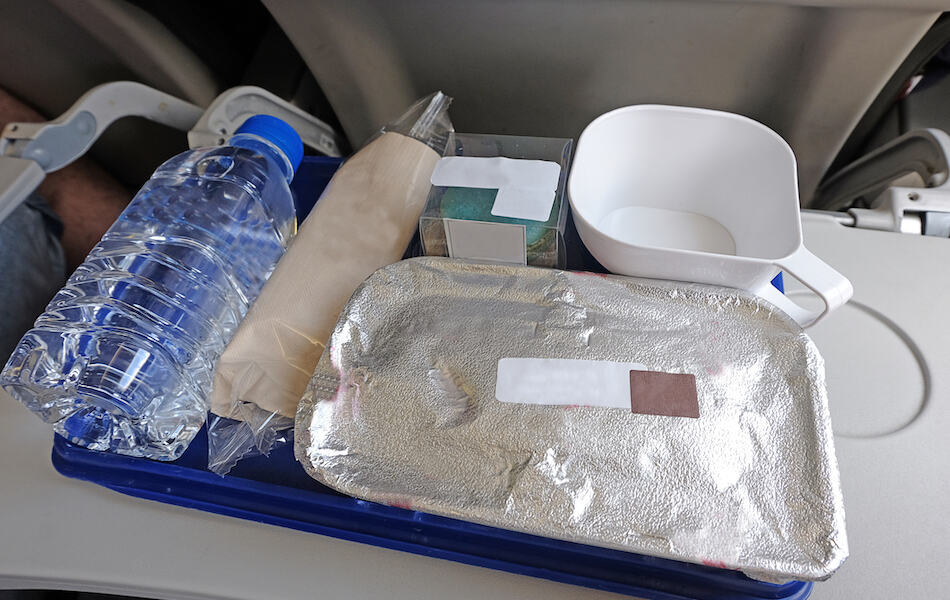
Plastic cups and tumblers would be replaced with paper ones, while the crew cutlery would be in lightweight steel instead of plastics, said Air India in a statement.
Food like banana chips and sandwiches, presently packed in plastic pouch, will be served in butter paper pouch. Cake slices in the snacks box will be replaced with muffins to avoid the plastic wrapping. Special meals ordered by passenger in advance will be served in eco-friendly cutlery.
The 200ml plastic bottle provided to the passengers will immediately be replaced with glass bottles.
Other airlines operating in India, including Vistara and IndiGo, are also taking steps to reduce the use of plastic on flights.
• Featured image credit: Tero Vesalainen/Getty Images