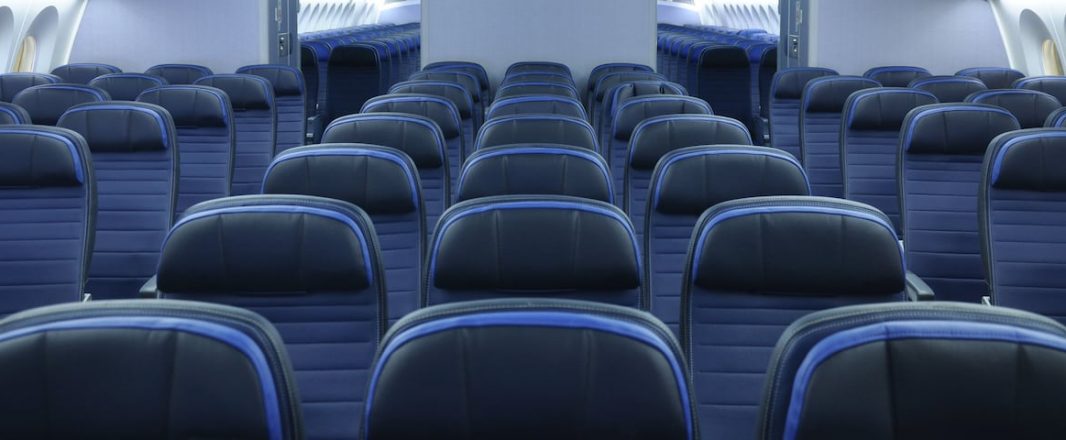
Empty planes, empty hotels, empty streets, empty tourist attractions, convention and exhibition halls. These are indeed unprecedented times with travel assets emptied out the world over. For some, however, having unused travel assets represents an opportunity to alleviate stress points in the fight against the virus. We salute these groups for repurposing their travel assets to help.
Singapore Airlines
Singapore Airlines, with 96% of its capacity grounded, will provide at least 300 “care ambassadors” to fill manpower gaps at hospitals in Singapore. The national carrier saw there was “an urgent and growing need to fill the manpower gap for the care of other patients as hospital nurses are re-directed from their original duties to care for patients infected with Covid-19”.
“To support the nation, Singapore Airlines has opened its call for support to all cabin crew to fill the role of care ambassador. With our crew’s expertise at providing care and world-class service, they are deemed to be a natural fit for this role.
“The spirit of giving back to the community runs high in the company’s culture, as evident in the numerous ways our crew have risen to the occasion in this trying time,” said the airline in a local news report.
Airbnb
Kudos to Airbnb and its hosts, it has launched a global initiative that aims to house 100,000 healthcare professionals, relief workers, and first responders around the world. It will waive all fees for stays arranged through this initiative.
“Medical workers and first responders are providing lifesaving support during the coronavirus outbreak and we want to help,” says Airbnb’s Co-founder Joe Gebbia to the media. “We’ve heard from countless hosts around the world who want to provide a comforting home to heroic first responders. We are connecting our nonprofit partners, government agencies and others with our incredible host community to work together in these extraordinary times.”
State of Victoria
The Victorian government has committed $20 million to pay for hotel rooms for healthcare workers who test positive to coronavirus or need to self-isolate.
Under the “hotels for heroes” program, healthcare workers would have the choice to stay in a hotel room for free if, for example, they lived with older or vulnerable people or shared a house with other workers.
The accommodation will be available to clinical and non-clinical staff — including cooks and cleaners — at public and private hospitals that directly engage with patients, as well as frontline paramedics and patient transport staff.
American Hotel & Lodging Association
The American Hotel & Lodging Association (AHLA) has launched Hotels for Hope, a national database to connect hotel properties with the health community to help them meet their growing demands.
We have a lot of vacant hotels right now since there are no customers, so we thought that if we could present to elected officials and healthcare professionals a list of hotels in their local area that are willing to participate that it would really help everybody,” AHLA president and CEO Chip Rogers told the media.
OYO Hotels & Resorts
Any medical first responders in the US are entitled to free accommodations at any OYO hotel in the US.
“All of us at OYO are grateful for the bravery and sacrifices all the medical personnel are making to save lives and stop the spread of Covid19. Our hearts go out to all those impacted by this terrible illness. To all the medical personnel fighting this disease on the front lines, we welcome you and we can’t be grateful enough,” said Ritesh Agarwal, founder and group CEO, OYO Hotels & Homes.
Grounded Singapore aircrew
Several aviation companies in Singapore have teamed up with the government to help funnel temporarily idle workers into public roles.
Staff from flag carrier Singapore Airlines and aviation services provider SATS Ltd are also being deployed into roles such as contact tracers and other administrative jobs in hospitals, according to local media reports. Singapore is co-funding a large share of workers’ wages in the aviation sector.
The crew have been enlisted as ambassadors, and will alongside enforcement officers, station themselves in public housing estates to discourage people from hanging out in public spaces.