The Wrap is a weekly round-up of news in the travel and technology industries, and to keep track of developments in these sectors as the green shoots of recovery slowly take root.
Myanmar’s rolls out a three-stage road map to rejuvenate the tourism industry
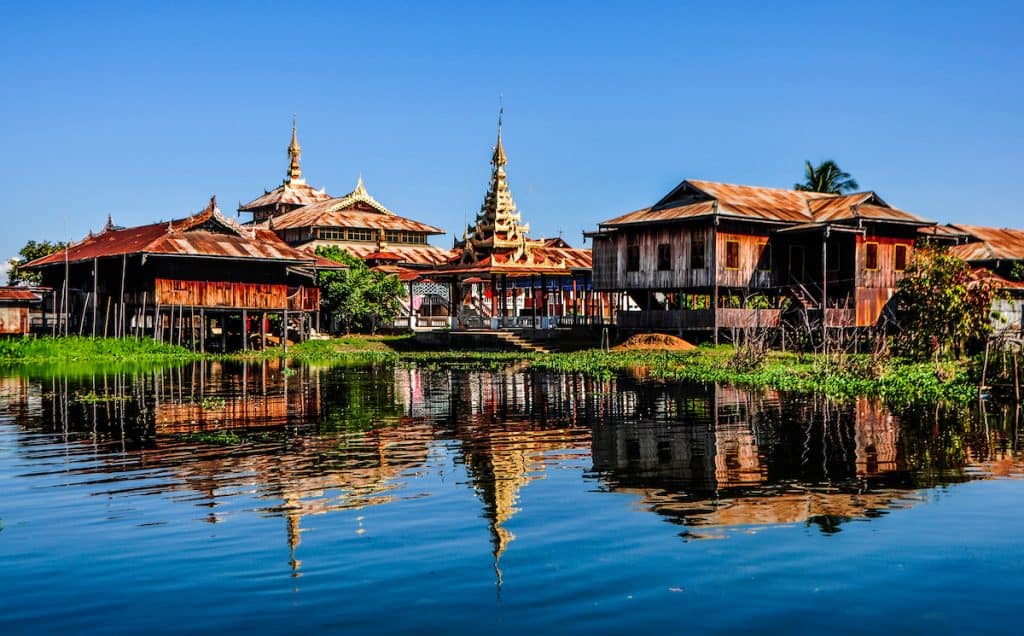
Like many countries around the world Myanmar has flattened the coronavirus curve, and is now setting a timeline to get tourism back on its feet with a three-stage ‘Strategic Roadmap for Tourism Recovery’.
Myanmar’s Ministry of Hotels and Tourism (MOHT) has been working on the post-Covid recovery plan since April, according to its union minister H.E. U Ohn Maung.
The first “Survival” phase (April-June) will benefit hotels and tourism businesses in the form of tax relaxation, reduction in licence fees, deferment of rent payment, and provision of loans.
Additionally, MOHT will organise online training for tourism professionals and staff, discussing travel destinations and tourism market assessments.
Phase two of “Reopening” starts this month and will last through July and August. It involves standard operating procedures (SOPs) for businesses to adopt for the health and safety of travellers and staff.
This phase will focus on promoting domestic travel with the reopening this month of local travel destinations including pagodas, museums and parks in accordance with the national guidelines issued by the Ministry of Health and Sports.
The final and third phase, “Relaunching”, will be implemented within six months to a year. It includes new marketing campaigns and a long-term plan of reinventing Myanmar tourism.
The government plans to create “travel bubbles” through bilateral agreements with Thailand, Cambodia, Laos and Vietnam when the country reopens.
May Myat Mon Win, Myanmar Tourism Marketing chairperson, said it is planning to launch a domestic tourism campaign together with MOHT and other travel associations.
“We need to start with domestic tourism then will develop to open up to regional countries and followed by long haul destinations after the situation of the COVID-19 eases,” she added.
Myanmar’s Foreign Affairs Ministry has announced further extension of temporary entry restrictions for visitors from all countries until 30 June to curb imported cases of Covid-19. (The original entry ban on travellers from all countries was until 15 June).
As at time of writing, Myanmar has reported 262 confirmed cases and six deaths since the outbreak began in late January.
Myanmar welcomed 4.36 million visitors last year, up 23% from 2018’s 3.55 million visitors, thanks to increasing Asian arrivals. The country targets five million tourists in 2020 but this could be derailed due to the virus. According to this report, Deputy Minister for Hotels and Tourism U Tin Latt was quoted as saying tourist arrivals are likely to fall by 50% this year due to the global pandemic.
AirAsia teams up with local hotels to revitalise domestic tourism
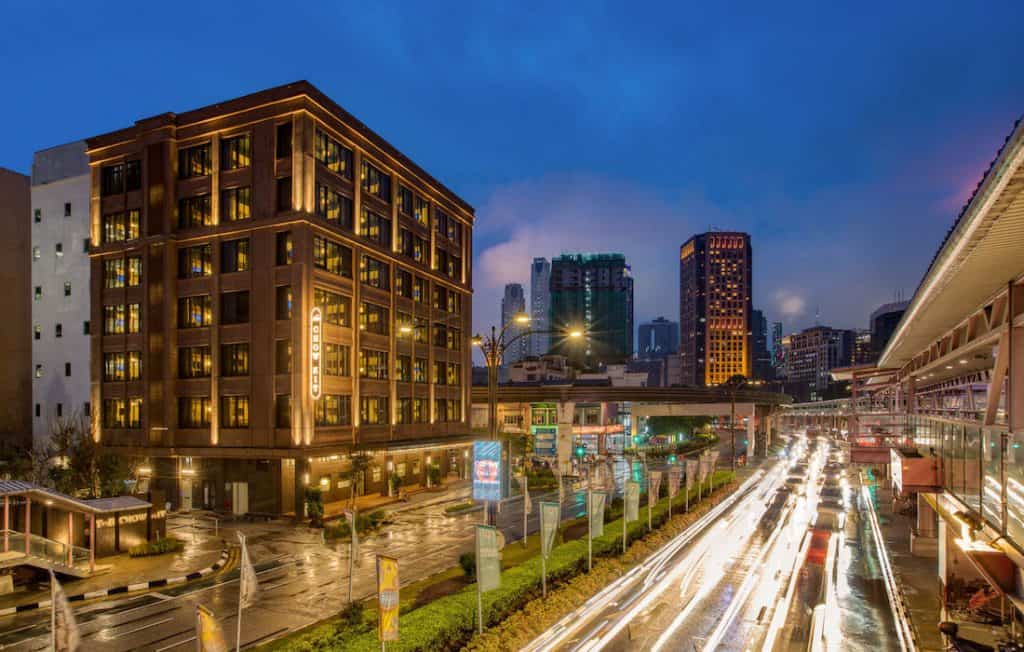
With the lifting of interstate travel in Malaysia as the country enters the recovery phase, AirAsia has introduced a fly+stay combo in partnership with local hotels in its efforts to revive the domestic tourism industry crippled by the country’s lockdown.
Under this new deal travellers can fly and stay for three days/two nights (twin sharing) in numerous destinations in the country. The combo is available on SNAP, AirAsia’s flight+hotel packages booking platform that the LCC introduced as part of its transformation into a travel and lifestyle company.
Prices for the fly+stay combo range from RM139 from Kuala Lumpur to Penang, RM199 from Johor Bahru to Kuala Lumpur and RM299 from Kota Kinabalu to Sandakan.
Hotels participating in the SNAP sales campaign are in the three to five star catgeory including The Chow Kit – An Ormond Hotel, MoMo’s Kuala Lumpur, Tune Hotels, Lexis Port Dickson, Vouk Hotel Suites and more.
The sale of the flight+hotel combo is on until 21 June for travel between 15 July and 30 November 2020. Travellers can book on airasia.com and the airline’s mobile app.
AirAsia said SNAP leverages its extensive network of over 160 destinations to provide the best price for flights, while working directly with hotel partners to offer the best value room deals.
It added that at the same time hotel partners can tap into the resources of AirAsia’s ecosystem, which includes high visitor traffic on airasia.com, its traveller database, multiple points of sale, as well as destination-focused marketing campaigns.
Commenting on the campaign Karen Chan, CEO of AirAsia.com, said: “This is very much in line with AirAsia’s efforts to support the travel industry, which has been badly affected by the pandemic. AirAsia is happy to play our part in providing the domestic tourism sector with a much-needed boost with this campaign.”
This is the second effort by the low cost carrier to accelerate domestic tourism recovery. Following the announcement that domestic travel in Malaysia would restart on 10 June, the airline introduced the ‘Unlimited Pass Cuti-Cuti Malaysia’ priced at RM399, which allows you to fly as many times you want within Malaysia.
This Pass is the domestic version of the ‘AirAsia Unlimited Pass’ that offers limitless year-long flights within Asia Pacific for only RM499, which the airline launched in March at the height of the pandemic to restore confidence in travel.
UpStay offers free mapping tool for hoteliers

Tel Aviv-based startup UpStay, which develops B2B solutions for hotels, has created a free mapping tool that informs both hoteliers and travellers on the reopening date of properties.
Tzafrir Blonder, CEO of UpStay, was motivated to develop the tool after difficulty in finding a place that offered a clear view of the state of the hotels reopening after the coronavirus restrictions.
According to UpStay, the tool’s objective is to make it easier for hoteliers to return to work after the coronavirus. “It is useful for both service providers in the hotel industry, as well as for guests who wish to explore available hotels and on what dates they plan to open in each geographic area.”
This is done through the Hotel Reopen Map that tracks the process of hotels’ reopening. The application acts as a platform to share updated information, in which hoteliers can easily add their property through a simple form. Users can immediately see which hotels are open in the area they want to visit. More than 300 hotels have uploaded their information on the map, according to UpStay.
Mandarin Oriental launches booking and payment feature on WeChat

Mandarin Oriental Hotel Group has enhanced its digital experience for travellers in China with the introduction of an all-inclusive booking and payment feature on the WeChat platform.
Guests can now book any Mandarin Oriental property worldwide from within the WeChat platform with just a few clicks, and utilise their in-app WeChat Pay account to secure reservations.
Jill Kluge, chief marketing officer for Mandarin Oriental Hotel Group, said it is the “first luxury hotel group” to enable this combined booking and payment functionality on the Chinese social media and e-commerce platform.
“The digital and social media revolution in China has transformed consumer behaviour,” she added.
Numerous features are available to users of Mandarin Oriental WeChat. They can make and manage room reservations using WeChat pay, explore the group’s hotel, access a direct call option when exploring its Michelin-starred restaurants, view interactive content on a weekly basis and access WeChat private messenger.
• Featured image credit: kongjongphotostock/Getty Images