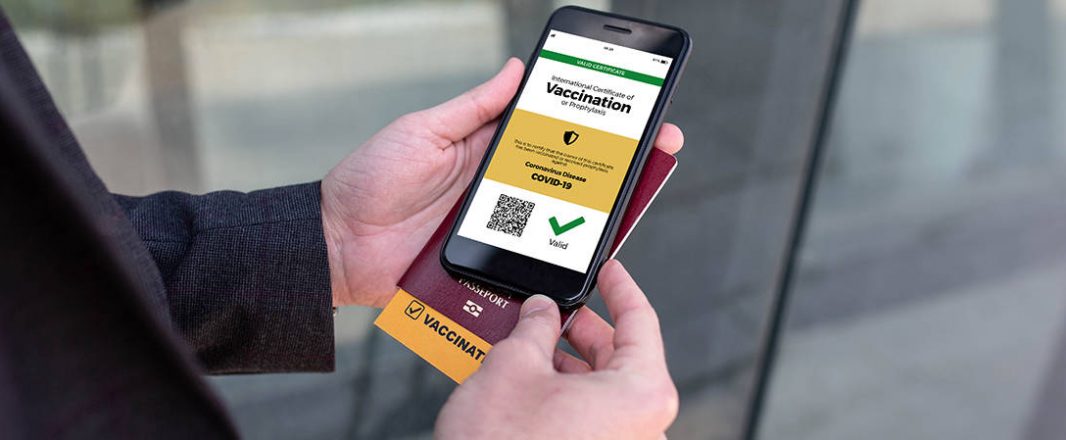
THE International Air Transport Association (IATA) has issued a warning that there could be chaos at airport if governments do not adopt digital processes to manage travel health credentials (Covid-19 testing and vaccine certificates).
According to IATA, pre-Covid passengers spent an average of about 1.5 hours in travel processes that included check-in, security, border control, customs and baggage claim. However, current data indicates that airport processing times have ballooned to three hours during peak time with travel volumes at only about 30% of pre-Covid levels.
The increase in processing times are at check-in and border control where travel health credentials are being checked mainly as paper documents.
The association noted that without process improvements the time spent in airport processes could reach 5.5 hours per trip at 75% pre-Covid traffic levels and a high of eight hours per trip at 100% pre-Covid traffic levels.
“Without an automated solution for Covid-19 checks we can see the potential for significant airport disruptions on the horizon. Already, average passenger processing and waiting times have doubled from what they were pre-crisis during peak time—reaching an unacceptable three hours. And that is with many airports deploying pre-crisis level staffing for a small fraction of pre-crisis volumes,” said IATA director general Willie Walsh
“Nobody will tolerate waiting hours at check-in or for border formalities. We must automate the checking of vaccine and test certificates before traffic ramps up. The technical solutions exist. But governments must agree digital certificate standards and align processes to accept them. And they must act fast.”

IATA suggested that one solution is for governments that require Covid health credentials for travel to integrate them into already automated processes. However, this would need globally recognised, standardised, and interoperable digital certificates for Covid testing and vaccine certificates.
It listed several advantages to digitising certificates: avoiding fraudulent documentation, enabling advance “ready-to-fly” checks by governments, reducing queuing and waiting time in airports through integration with self-service check-in , increasing security through integration with digital identity management, reducing the risk of f virus transmission via the person-to-person exchange of paper documents.
The G20 has identified a similar solution. The G20 Rome Guidelines for the Future of Tourism call for a common international approach on Covid testing, vaccination, certification, and information as well as promoting digital traveler identity.
IATA said the G7 discussions on June 11 are the next opportunity for leading governments to develop a solution around four key actions by agreeing to: issue vaccination certificates based on WHO Smart Vaccine Certificate data standards including QR codes; issue Covid test certificates in accordance with the data requirements of the International Civil Aviation Organisation; accept digital Covid test and vaccine certificates at their borders; and accept traveller-friendly apps such as the IATA Travel Pass, to efficiently facilitate the process.
“This cannot wait. More and more people are being vaccinated. More borders are opening. Booking patterns tell us that pent-up demand is at extremely high levels. But governments and the competent authorities are acting in isolation and moving far too slowly. A smooth restart is still possible. But governments need to understand the urgency and act fast,” said Walsh.
He added that the first step would be G7 agreement, with industry input, on a common set of Covid travel requirements. “The next step would be implementing and mutually recognising those requirements. If the G7 took these leadership measures the freedom to travel could be seamlessly restored for about a third of all journeys. Other countries could build on that leadership for a safe and efficient global restart of connectivity.”
• Featured image credit: Jovana Stojanovic/Getty Images