Otherwise, Tribe’s Jason Loe on silver linings to pandemic
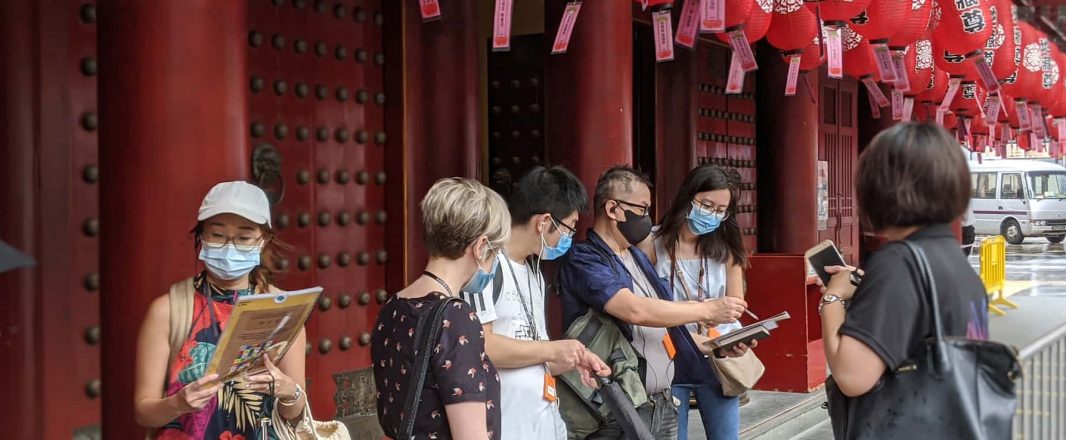
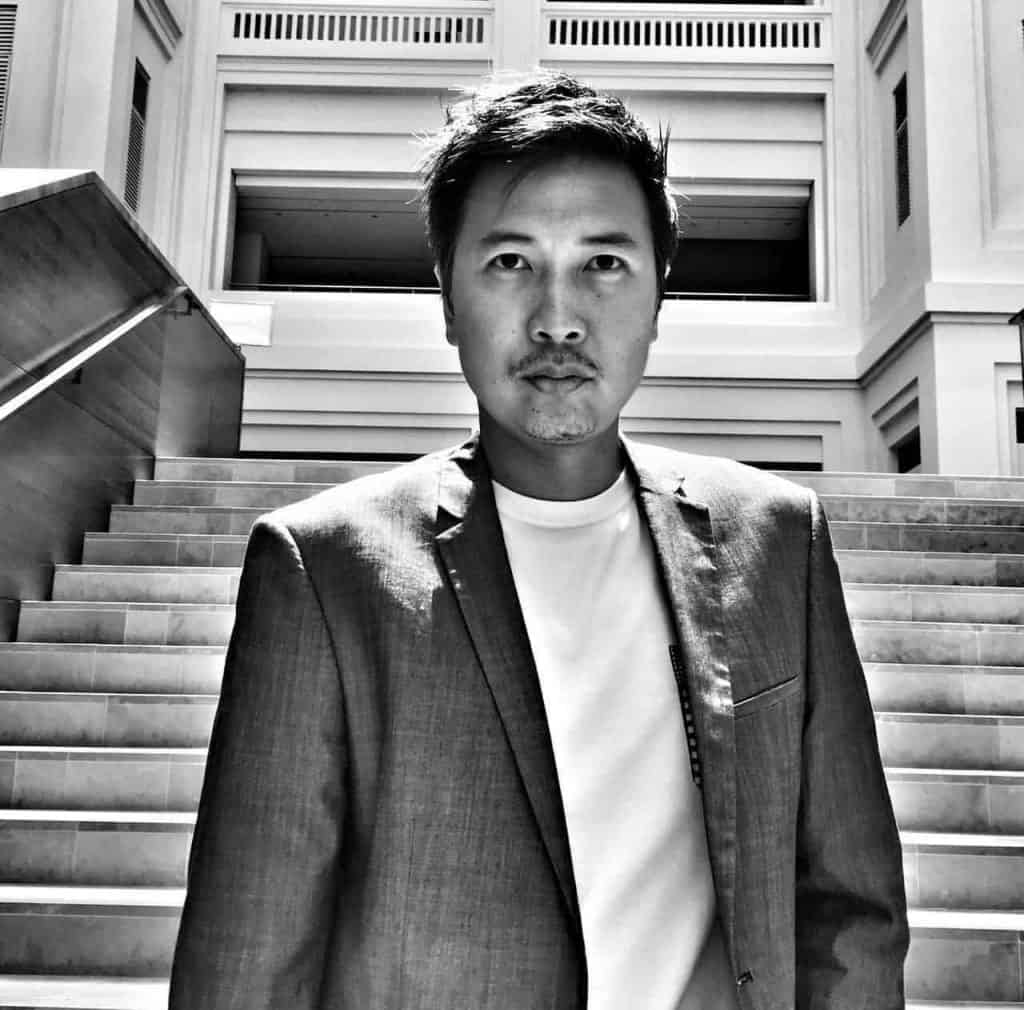
SINGAPORE experience curator, Tribe, has stood out amid the pandemic as being creative and resourceful. Its Chinatown Murders tour won it Outstanding Tour Experience 2021. At times though, we are sure the pandemic must have brought its founder Jason Loe close to murdering someone.
But his company’s inbuilt DNA for telling interesting stories gave a strong foundation for enhanced storytelling and it discovered a new market among local customers. He’s the first to admit though local is not enough – unlike staycations, people don’t return to tours again and again – so like everyone else, he’s battle-scarred and primed for when inbound travel returns again. And the best purchase he made for remote work? Well, read on.
Q: If you could describe the past 20 months in one sentence, what would it be?
A 20-month roller coaster ride where you puked a couple of times, wanted to get off once, but became glad you didn’t – because you ended up thoroughly enjoying a G-force you’ve never experienced before, smiled and cried tears of joy in between, and ultimately remembered and celebrated who was on the ride with you throughout.
Q: What’s been the silver lining to the pandemic for you?
There were three silver linings for us.
One: The pandemic accelerated our innovation and the output of our tours, as we looked at themes and tour formats we may not have explored otherwise. For example, livestream experiences gained greater acceptance due to movement and group restrictions in place once we exited the circuit breaker last July. By September 2020, many had accepted and transitioned from face to face meetings to virtual meetings. This also paved the way for virtual tours. Corporate teams and other groups still needed group bonding activities after months of not “seeing” each other. Livestream tours at least allowed teams and colleagues to connect with each other. So the silver lining here is the adaptation of a new format or delivery of tours and creating a new segmentation.
The pandemic also led to Tribe looking at hybridisation of games and tours and the launch of our series of #gametours. This required a careful layering of games and tours into a seamless product. It required storytelling via characters we created, and told through a main protagonist. It required our versatile guides to unlearn and relearn this wholly new way of “guiding” while learning how to be gamemaster at the same time.
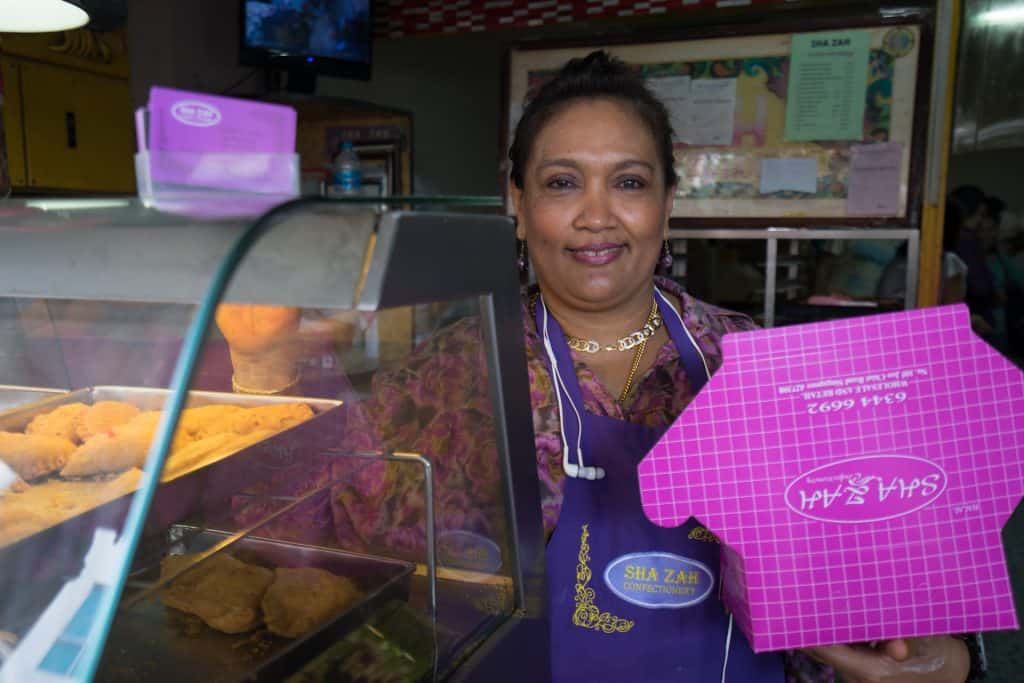
In our successful hawkerwalks series our curators worked closely with hawkers to unearth untold stories, discover off-menu items and even worked out a way to have the food delivered and enjoyed by even more people. This was hugely popular with the locals not only because finding gems in hawker stalls remain a national pastime for most Singaporeans but also because we found that during the pandemic there was a strong desire to support our local hawker heroes in any way they can.
Two: For Tribe, we gained a new segment of B2C customers, specifically locals, as our customers. Prior to the pandemic, a disproportionate chunk of our revenue was from B2B. Covid-19 forced us to be laser focused on this customer segment and their needs. When borders reopen, we are primed and ready for the international and local B2C markets. Operationally, there is also some difference. And even if borders remain close, our newfound joy and knowledge gleaned from catering to our local fans will drive us in embracing newer and fresher concepts. The silver lining is that COVID-19 forced us to be less reliant on B2B and now we are able to handle both B2B and B2C.
Three: As an organisation, the pandemic has forced upon us the ability to be fast and nimble in adapting to constant changes operationally. This pertains not only to us but the entire hospitality industry; we were glad to have the opportunity to exchange stories, learn from fellow players, and be inspired to innovate further during the SingapoReimagine Global Conversations forum series.
Q: How much of an advantage has your background been in steering your company through these turbulent times? You were a strategist with the Ministry of Trade and Industry and a consultant to the Institute of Policy Studies before launching Tribe and you were involved in two other start-ups – one, provider of SMS push notifications marketing solutions to companies and two, provision of fast growing 1900 audioline phone services via Integrated Voice Response Systems (IVRs).
From my previous start-ups and entrepreneurial ventures I was able to draw from having gone through major disruptions and crises in the past, the ability to handle ambiguity and adapt quickly. However, there was really no real precedent for what we are going through now.
In MTI I was in Futures Group where we project trends that may happen 10-20 years from then and what strategies to mitigate threats or capitalise on new opportunities as a result of these tectonic shifts. Time spent in this dynamic capacity made the identification of trends and drivers quite automatic, as was the ability to recognise black swan (low probability high impact) events when it is on the cusp of occurring.
Having been involved in previous entrepreneurial capacities also allowed for an attack-minded approach in “how best to take advantage of a crisis” and at least not let a crisis go to waste. Our team adopted this at the very start of the pandemic and our most innovative period was June to October 2020.
Q: Tribe has always taken a different approach to its tours – small (between 4 and 12 guests), storytelling, authentic, meaningful, for example, the Disappearing Trades tour that won at the 2017 Singapore Tourism Awards. So did this approach fit well too into COVID-19 times, and you didn’t have to do too big a pivot in terms of tours creation?
Tribe at its inception strived to give our guests “wow” experiences that money can’t buy. And that includes seeking out special access stops that had a story to tell and told by special personalities. We also seek hands-on activities because from our own travelling experiences, memories made usually involve doing something (cooking, smelling, touching, rolling, etc.).
All these factors we felt made for a wholly different way tours will be perceived and defined and attract a wholly different type of traveller. And because of the more intimate vibe and the type of experience, it cannot cater to masses. So everything had to be overhauled. We looked for interesting personalities and great storytellers in our guides. We paid attention to the little things. No detail is too small. Even in our pre and post sales with the customer, every aspect had to match up to the newer more meaningful experience. Everything we did was to “untour” the way most people perceived what a tour is about.
And because it was already in Tribe’s DNA to focus on the ubiquitous everyday things that others overlook, for example teh tarik, curry puff, local kopi culture, popiah skin making, hawker stories and hidden hawker gems, yes you can say that it was simply adopting some of these tour assets into different formats and delivery means.
During the past year Tribe added yet more hyperlocal activities to cater to a growing appetite for such tours; we shared more about some of these hyperlocal trends during the SingapoReimagine Global Conversations forum, as a potential way for businesses to stimulate further innovation and growth.
Q: Pre-Covid, how much business was international vs domestic (percentage terms)?
We are unable to share exact numbers; but we certainly depended a lot on large conferences, MICE events, and direct corporate bookings. Most of these were international groups.
Q: In your pivot to local, did you have to create a whole new range of tours or were some of the tours in place already suited for local markets?
We never pivoted specifically to local content. Tribe’s DNA and raison d’etat was to celebrate local heritage, culture, people and food. So content wise, there was little change pre and post COVID-19. But pivoting to locals as a customer base, we definitely kept our eye on what locals want in their tours/activities, factoring their attention span and propensity to pay. For example, we found that the attention span of locals was much shorter than that of a captive audience from overseas who are here on an incentive trip. This is not surprising as you are dealing with locals who have different roles while on your tours, such as checking in with their work, or their role as parents, so often they are multitasking and not fully in the moment. From that, we experimented with duration and type of activity till we found the sweet spot.
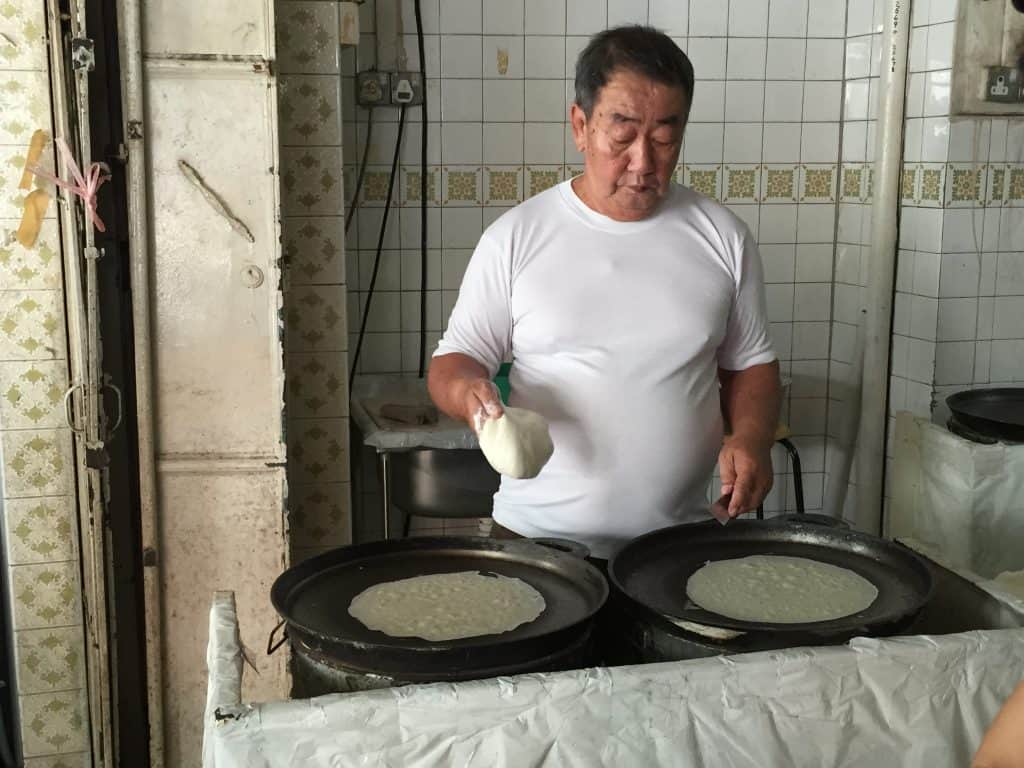
Q: Name one tour that you already had, that you adjusted to suit the local market.
Many of our tours are a combination of stops that string together into a cohesive theme. For example, Ultimate Food Journey – what we did was to extract one of such stops like a visit to the curry puff maker and made this a livestream for local audiences.
So with people’s aversion for being outdoors dependent on the daily infected numbers and coupled this with a company’s directive for their employees NOT to have group gatherings, many still needed activities. And our livestream served that purpose in going behind-the-scenes and diving deep into an unfamiliar world. Also where possible, we arranged for food taster bundles to be sent to accompany the livestream. Because a livestream of a food factory without being able to see, smell and taste will be a tad cruel; so decoupling our existing tour and livestreaming specifically the activity and planning games and interactive elements and offering delivery is an example of adjustments we made to suit the local market.
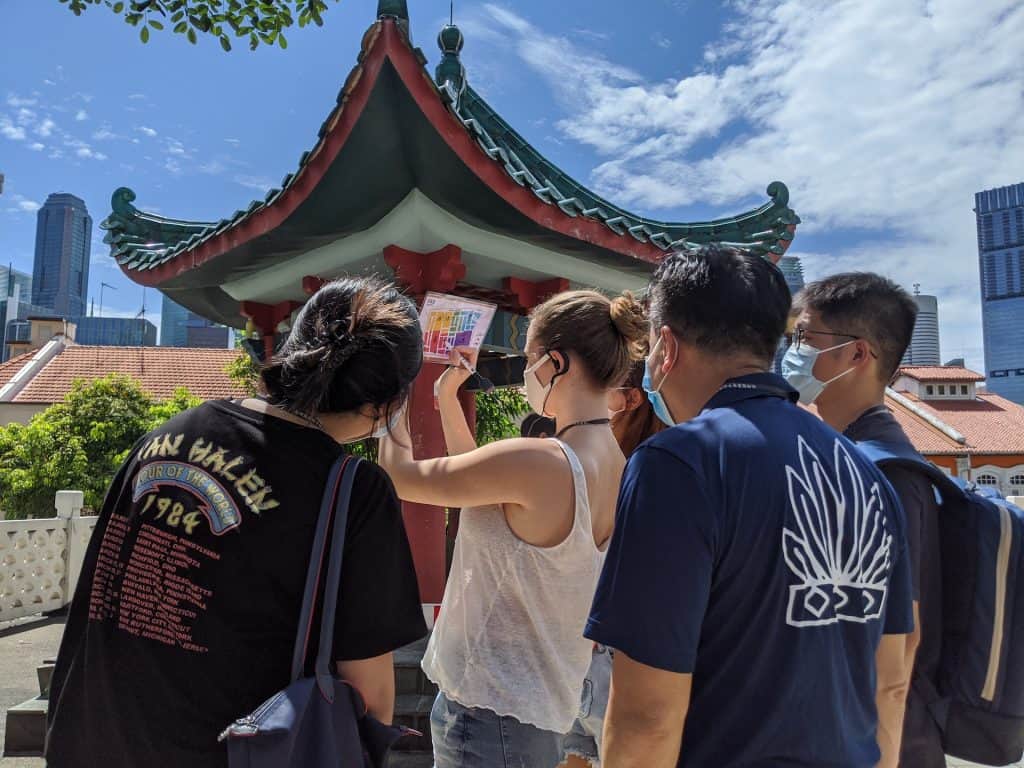
Q: Your game-tour of Chinatown certainly attracted a lot of interest and won the 2021 Singapore Tourism Award? How successful was it in terms of bookings? I understand it took you three months to create the murder-mystery game-tour. How did you come up with the idea and what was the biggest challenge in executing it?
Murders was the most exciting tour I’ve been a part of. Right from the start, the energy was different. We had so many collaborators. Some of our guides became co-designers of the tour by pre-recording their voice as a news reporter, while others did a mockup of a front-page newspaper. But mostly, witnessing how all of our guides reveled in their new role and injected their own creative spin in the role play was one of the highlights of 2020 for me.
From our first runs of the tour, we knew 牛车水 Murders was special. Judging from the reactions and delight of our first groups that played, our team could sense its potential. Customers stayed on after the game to tell us how much they enjoyed the experience. They willingly reviewed us on multiple platforms. The word of mouth and support post game was nothing we had ever experienced before.
Q: Domestic is not enough though, is it? How is Tribe preparing to position itself to capture the recovery when it comes?
I agree and here’s why. Because as much as we’ve earned the trust and respect of locals, tours are not something people do again and again. Staycationers return to the same hotel due to different rooms and facing and simply just to have somewhere to escape from their homes. Attractions do so by having different programming throughout the year. To rely on domestic is possible but that means a constant renewal of newer fresher experiences. And for tours, it means to expand the customer lifetime value beyond the first tour they experience.
For many the SingapoRediscovers Vouchers (SRV) was a lifeline and an extremely huge multiplier for the entire hospitality sector. When a local rediscovers his/her own backyard, the $100 cascades down through the firm, this allows the firm to continue to hire guides, guest relations and a whole host of those directly and indirectly linked in our ecosystem. Without SRV, I am not certain Tribe will be in the same position as today.
Every tour created for the local market is battle tested and primed to be enjoyed by others when borders reopen. At Tribe, we do not have tours made for locals versus those made for international guests. An appealing story, tour or activity draws and pulls all people the same way. Small tweaks like tour duration are all easily customisable when the time comes.
Q: Has the pandemic taught you any marketing/business lessons that will serve you well in the post-Covid world, when we get there?
Spread reliance on certain customer segments. In the first few months of the pandemic when many restrictions were in place, it was clear to all that whatever sphere you served in the hospitality space, that there were areas that one could pivot to. To business owners like myself, in many ways COVID-19 was like an x-ray that exposed business areas that will thrive in a semi-closed state and it is up to the company to adapt these areas as must-haves even if COVID-19 comes to pass and when (not if) the next pandemic surfaces – such as livestream tours and online training for instance.
Q: What’s the most interesting thing you’ve read or watched that you might not have otherwise?
I am a quarter way through a book Peak, given to me by an unlikely source (my son’s BJJ instructor). The author Anders Ericsson studies memory mavens, star athletes, music prodigies and London cab drivers and the big idea is that people are not born with fixed reserves of talent and potential but instead it is an expandable and trainable trait which these top performers excel at learning to learn. I think the term he coined was purposeful practice.
Q: What worried you at the beginning of the pandemic that didn’t wind up being a problem at all?
I will be the first to admit that when I first heard that one of the plans to mitigate the lack of travellers coming was to target our locals as tourists, I was skeptical and a little worried. Worried because unlike other countries with a large hinterland and much undiscovered areas for locals, Singapore did not have the countryside. For someone based in the West to explore the East, it was a 20 minute drive away. So yes, what I felt applied for countries like the US, China, Japan, applied much less for Singapore.
As an industry, we are extremely lucky. We could have sat around and not even bother trying. Instead, the plucky folks at MOF, MTI and STB pushed for the SingapoRediscovers Vouchers (SRV) scheme. My hats off to the many unsung heroes that made it happen at both policy as well as onground operational level, at record speed too, during the last quarter of 2020. Some may not see and appreciate fully the sheer grit it took to have this planned and executed. So being a beneficiary of the SRV, I feel a certain responsibility to set the record straight.
So yes, at the start I was definitely worried about the effectiveness of local tourists supplementing overseas visitors (being an open economy, I suppose it cannot be sustained indefinitely). But if not for SRV, I shudder to think of the fate of our local attractions, hotels, tour companies during the months of December 2020 – July 2021. That said, it is fair to surmise that the active users of the SRV have mostly used their vouchers. So the road ahead is less certain, and we will need to continue adapting and innovating.
Q: What’s the best purchase you’ve made for remote work?
Zoom Pro and lots of framed pictures of family around my home office.