FOR Serena Lim, who’s been involved in hotel development work for the past two decades – indeed it was her first job in hospitality – one of the biggest pleasures of her work is going into uncharted territory and scoping out feasibility and development opportunities for new builds in remote destinations.
“I remember in the early days, going to look at a project in Hue (Vietnam). We had to take a boat because there was no road. I was with the architect and the boat flipped, and he lost all his drawings,” recalled the vice president for development in South East Asia and Korea for IHG Hotels & Resorts. “In Boracay, the pier wasn’t even built and I had to sit on the boatman’s shoulders to get to the site.”

Of course, things have changed considerably since then but Lim said that the beauty of the region is there are still many undiscovered sites to be explored, and new opportunities have arisen to build properties that meet the needs of the time.
“The pandemic has changed conversations between brands and owners – there’s a lot more discussion around sustainability, technology, new design, smaller builds,” she said. “Also, owners have also had the opportunity to discover their own countries and we are seeing them come to us with new ideas for new locations.”
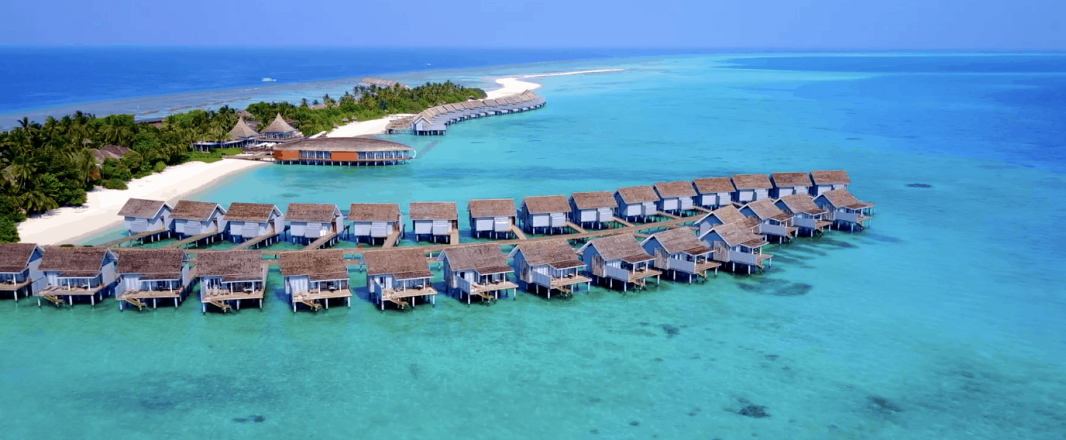
Its new luxury lifestyle brand, Vignette Collection – the sixth addition to IHG’s portfolio in the last four years and its 17th overall – plays into this pocket, she said. The Pattaya Aquatique hotel in Thailand will be among the first entries into the collection. The brand targets independent hotel owners and aims to attract more than 100 independently operated international hotels in the next decade
Lim said there are plenty of new destinations in South-east Asia, with Vietnam her personal favourite. “Along the coast, there are many unexplored sites and Vietnamese owners are looking at their own country and coming to us with sites. As operators, we have to ensure the right ingredients are there for a sustainable business, environmentally, socially and financially.”
While she acknowledges that many hotel owners have been crushed by Covid – with many struggling to pay their bills, she said those looking to build longterm are now looking at factors such as sustainability and design in a different way.
“At the start of the pandemic, it was all about weathering the storm and how to stay afloat. But 18 months on, they are thinking what’s next? For developers with high net worth, it’s a long term play and there is stronger interest in sustainable development and giving back, and how to bring travel back in the form of curated experiences.”
She added, “Every owner interaction is different. As consumer preferences change and owners become more sophisticated, we are seeing a demand for properties with distinctive character with a sense of belonging. There’s increased demand for a brand like Vignette.
“The pandemic has made owners think more about who they partner with. We want to create something new and refreshing that takes a longterm view of the investment. It’s allowed us to have more interesting conversations at this time.
“There are also more questions asked about technology. What can you do differently? Sustainability, what can we do better? These questions were hard before the pandemic. Pre-pandemic, we met to talk about one item. Now with Zoom or Teams, owners are embracing the tech and taking a different approach. We are opening hotels, signing deals without physical meetings.”
Admittedly though, most of the current projects are conversions, rather than green field projects. “That’s the trend right now, conversions or brown fields. Some owners are waiting to see and that makes sense. In South Korea, we have seen hotels closed down, and it was bound to happen. Everything is a cycle.”
Lim, who joined IHG four years ago after working with brands such as Starwood and Marriott, said she had always been drawn to development work. “I did a lot of travelling with my father and somehow hospitality resonated with me. To my father’s chagrin, I told him I wanted to get into hospitality. I did a short stint in consulting and got involved in a development project and I loved it.”
She’s drawn to the ability to “create a vision and to craft a business model”.
“You go into an empty site and it’s full of shrubs and you have the whole process of building something beautiful out of it. There’s a sense of pride in it.”
And that pride is even greater today, given the competition and the complexity of the hospitality industry today where competition is coming from not only hotels but all forms of accommodation types. “Competition is good, it improves conversations and ups the game.”
The silver lining to the pandemic is the building of innovation and agility into the local team in Singapore. Said Lim, “Because we went into the pandemic with a more local structure, we were able to execute quickly with local solutions. It would have been a scary thought if we didn’t have a structure in place already.”
• Featured image credit: Vignette Collection