
WITH borders reopening in many countries people are keen to travel again but they want to do it sustainably, citing news about climate change influencing their choice.
This data is from a survey commissioned by Booking.com carried out in February among 30,000-plus people across 32 countries and territories who had travelled at least once in the past 12 months and plan to travel in 2022.
Findings show 71% of global respondents say they want to travel more sustainably in the next year, a 10% increase over a similar Booking.com survey conducted in June last year.
Eighty-one per cent of those surveyed confirm sustainable travel is important to them, with half of all respondents (50%) saying that recent news about climate change has influenced them to make more sustainable travel choices.

People want to travel more sustainably in the next year, avoiding busy and over-visited destinations and opting for a less popular travel destination. (Image credit: Booking.com)
In search of sustainable accommodation
More than half (70%) of global travellers say they would be more likely to choose a sustainable accommodation – whether they were looking specifically for one or not.
While 78% of global travellers intend to stay in a sustainable property at least once in the coming year, there is still more to do to make more sustainable stay options easier to find for everyone.
Of those who didn’t stay in a sustainable accommodation over the past year, 31% said they didn’t know they existed. While this is down 5% from 2021, indicating that awareness is growing, 29% said they still didn’t know how to find them.
More than half (56%) admit that they don’t actively look for the sustainability efforts of a property before they book, but if easily accessible, they say they will review it, which further underlines the importance of making this sustainability information transparent and understandable for a broad audience of travellers.
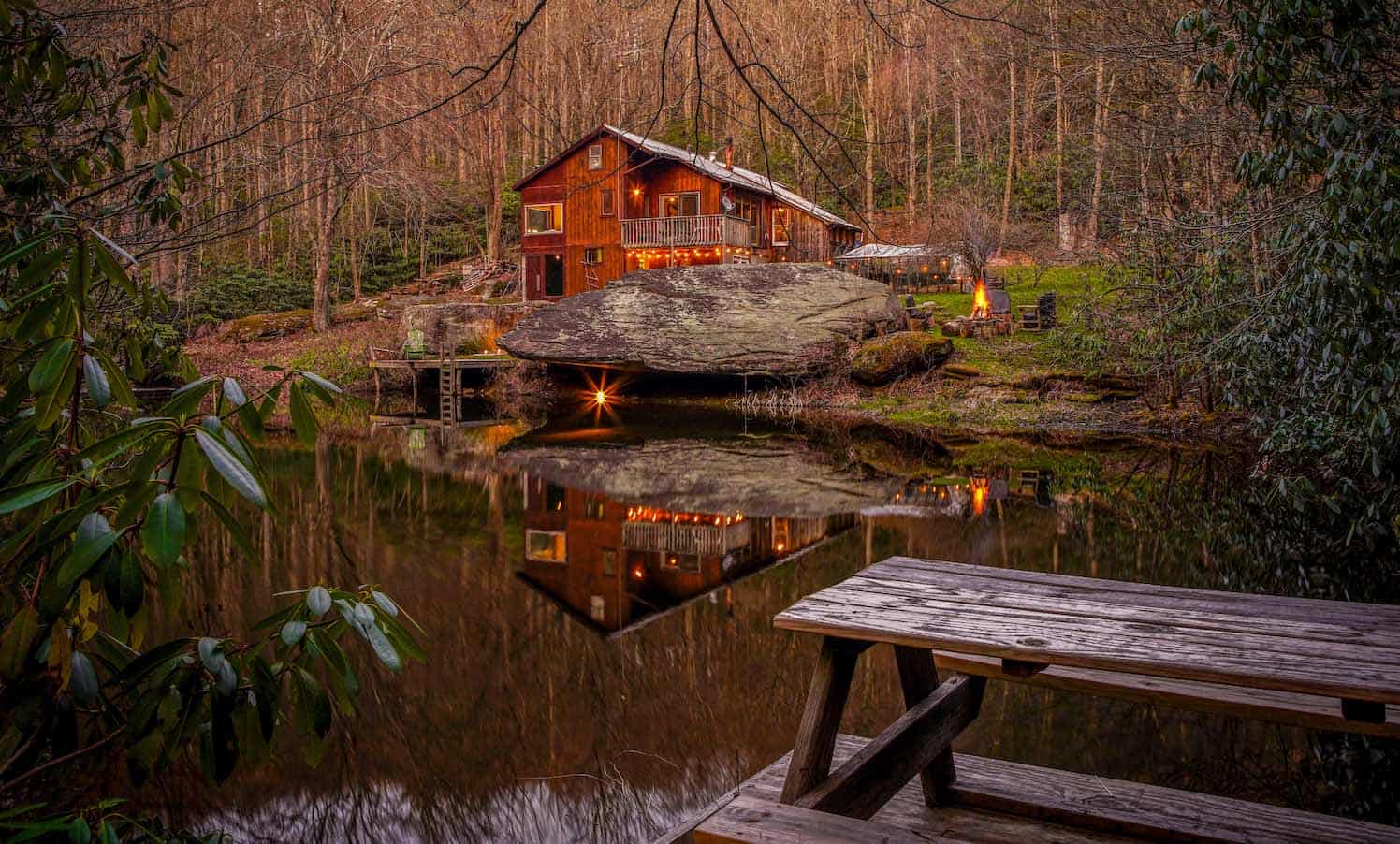
More than 100,000 properties globally are recognised for their sustainability efforts with a Travel Sustainable badge on Booking.com. (Image credit: Booking.com)
In November last year Booking.com launched its Travel Sustainable badge to properties that has implemented a combination of sustainable practices that meet the requisite impact threshold for their destination. The badge, developed with the Travalyst Coalition in which Booking.com is a founding partner, has been awarded to more than 100,000 properties globally. The badge is also extended to properties with third-party certifications and labels such as Green Tourism, EU Ecolabel, this Green Seal, Nordic Swan Ecolabel, Green Hospitality Ecolabel, Ibex Fairstay, Fair Trade Tourism, LEED and Edge.
Lack of information on alternative destinations
Most of the respondents want to avoid busy and over-visited destinations, with 33% saying that they chose to travel outside of peak season and 27% preferring to go to a less popular travel destination over the last 12 months to avoid overcrowding.
About 40% would be willing to exclusively travel outside of peak season to avoid overcrowding, and 64% revealed that they would avoid popular tourist destinations and attractions to ensure a more even dispersal of the impact and benefits of their visit. Almost a third (31%) would even be willing to choose an alternative to their preferred destination to help avoid overcrowding.
However, lack of information is a deterrent to travellers fulfilling their desired intentions. 42% struggle to find appealing destinations that are less crowded and 34% feel like it’s not possible to find sustainable travel options in cities or other popular tourist destinations.
Booking.com says this lack of information “indicates an opportunity for travel platforms to work with accommodation providers in these destinations to help them progress on their sustainability journeys and in turn to highlight more sustainable options, as well as to help consumers discover alternate times and places to take their trips, without sacrificing on experience.”
More help needed to connect to culture and local communities
More than two-thirds (66%) of the respondents want to have experiences that are representative of the local culture, while 27% say they have actively familiarised themselves with the local cultural values and traditions at their travel destination in advance of their trips. One in four (25%) would be willing to pay more for travel activities to ensure they are giving back to local communities.
Despite the appetite to give back and connect during their travels, 34% indicate that they don’t know how or where to find activities or tours that ensure they are actually having a positive impact and giving back to the local community.

Survey respondents said they would be willing to pay more for travel activities to ensure they are giving back to local communities. (Image credit: Booking.com)
Transportation
When it comes to booking transportation for their trips, 40% actively look for sustainability information. Nearly a quarter (23%) say they opted to travel to a destination closer to home to reduce their carbon footprint, while 22% say that they researched public transport and/or options to rent a bicycle in their chosen destination. Twenty percent chose to travel by train instead of car for longer distances, and 30% say they feel ashamed to fly because of its impact on the environment.
Booking.com says it remained carbon-neutral in its operations in 2021 and transitioned to 100% renewable electricity towards the end of the year – part of the company’s contribution to its recently released Climate Action Plan. The first of its kind for any global online travel company, the targets include a 95% reduction in scope 1 and 2 emissions by the end of 2030, 50% reduction in scope 3 emissions by 2030, and net-zero emissions by 2040.
“With increased pressure on our natural resources and the undeniable impact our way of life is having on the environment, we are 100% committed to leading the industry in charting a more mindful and responsible course for the future of travel,” said Glenn Fogel, CEO of Booking.com.
“We have ambitious goals for what we want to achieve, but together with our partners across the industry and the passion of our innovative employees, we can continue to make it easier for everyone to experience the world in a more mindful and responsible way.
“We believe that travel is and should remain a powerful force for good, bringing enhanced cultural understanding, socio-economic opportunities for countless communities and the potential to help rejuvenate and protect our planet for the long term.”
* Download Booking.com’s full 2022 Sustainable Travel Research Report here (PDF)
• Featured image credit: Adam Vradenburg/Getty Images