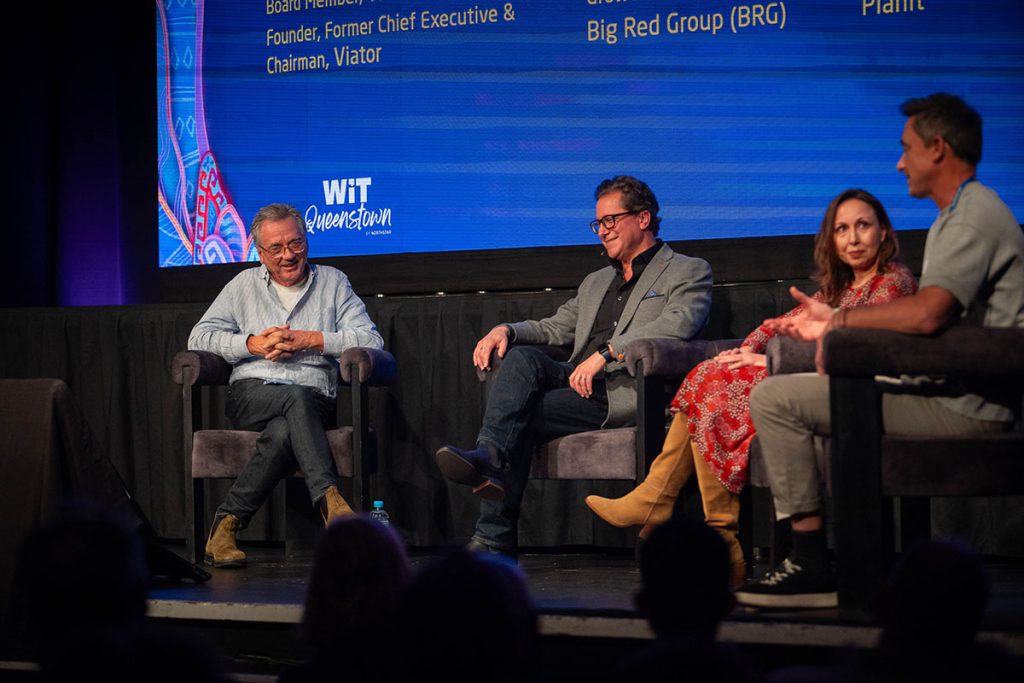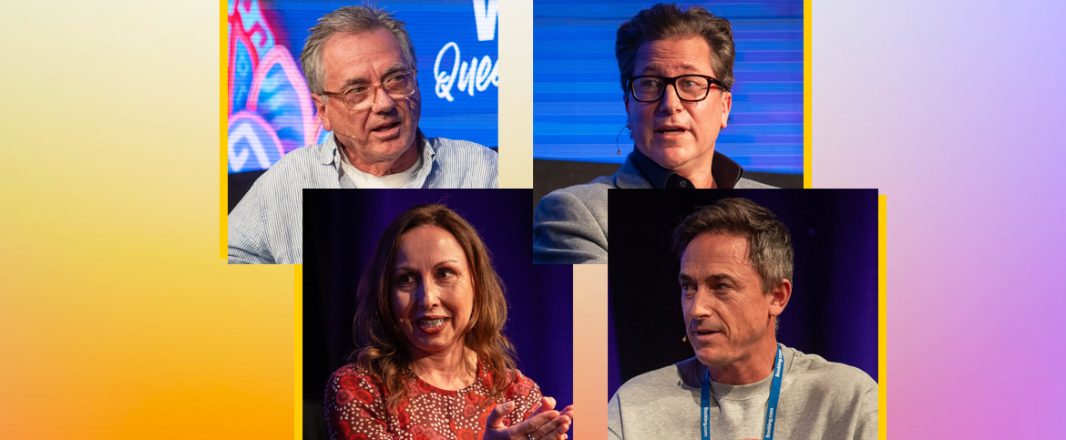
Dominic Bowden – a familiar face to New Zealand audiences from a previous career hosting television – is doing the complete opposite of what Queenstown is known for – adrenalin-laced adventures.
He’s built Watershed Saunas, floating saunas paired with cold-water immersion, and six months in, his read on why it’s working had little to do with the sauna itself. “People are chasing a feeling,” he said. “Giving yourself permission to slow down, I think, is going to be more and more valuable – especially the more we choose to live in a digital universe.
“I see a lot of pushback online already about whether we’ll keep using AI the way we do now, and I think these feeling-based, emotive activations become more valuable as that fatigue grows.”
Speaking at a panel at WiT Queenstown on “The Experience Surge”, Bowden added, “Wellness is a word that gets thrown around – for me it’s really just activating nature. New Zealand is so well positioned to lead in that space, the way Japan leads with forest bathing.”
Asked by moderator Rod Cuthbert what people actually do at Watershed Sauna, Bowden said the format is deliberately social: strangers arrive, sit together looking at Cecil Peak on one side and The Remarkables on the other, leave their phones behind, and for those who want it finish with a jump into an eight-degree lake.
“It wakes you up. I never thought I’d be learning this much about the human experience, but when people walk up that ramp afterwards, there’s a specific feeling – that’s the whole answer, really.”
The data backs the feeling
Cuthbert asked John Boris, president & chief growth officer, Big Red Group, the largest experience network in Australia and New Zealand, if this enthusiasm for wellness for showing up in the numbers or just this year’s buzzword?
Definitely the former. “Health and wellness is our second-fastest growing category, right behind dining and culinary,” Boris said. “It’s the ability to unplug, to disconnect, to unwind from something high-octane – you go skiing in Queenstown, then you want a wind-down experience. Cold plunges and saunas are one of our fastest-growing subcategories, alongside day spas and wellness retreats.”
Simone Turin of travel planning app, Planit added, “We used to go to places to visit places. Now, I think, we go to places to feel something.”
She said the pattern shows up clearly in why Americans fall for New Zealand specifically: “They come here almost from a position of, I’m so frazzled, I need to disconnect. New Zealand represents that.”
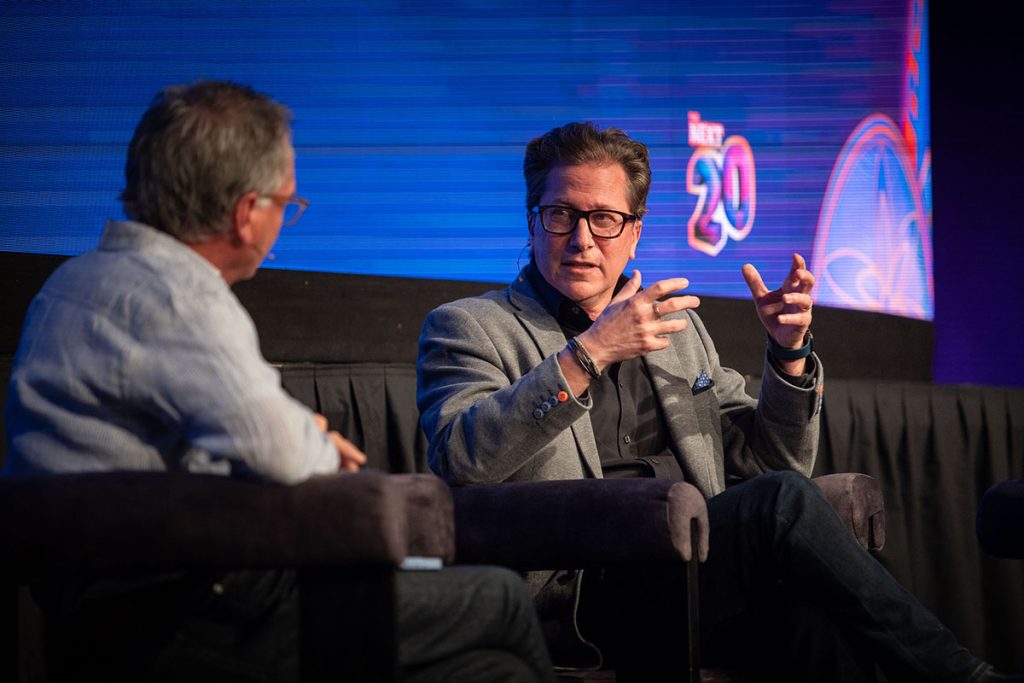
John Boris, president & chief growth officer, Big Red Group
Free press and the discipline of not scaling too fast
Asked about how he gets the word out, Bowden said that the business has picked up unpaid influencer content generating millions of views, a New York Times feature, two placements in Condé Nast, and TV crews filming on-site – none of it commissioned.
Multiple booking and ticketing technology companies have also approached the business about investment, seeing an opportunity to build community and loyalty around a differentiated product, he said.
Asked if he is rushing to put floating saunas on lakes in Melbourne, Sydney, even San Francisco Bay, Bowden said the temptation exists but he’s resisted it. “When we first opened, people were doing the maths in their head on how much it cost to build. But the real opportunity isn’t more saunas on more lakes – it’s chasing that same feeling in other places.”
His preferred next move is collaboration rather than replication: pairing an adrenaline operator’s existing product, like a Dart River jet-boat and rafting trip, with a wellness moment at the end where the group sits together and processes what they just did.
Locally, he wants to build it into a community ritual – a weekly “Wakatipu Plunge Club” combining a run, coffee and sauna session.
Asked how he protects an idea this replicable from copycats, Bowden’s answer was, “If you’re building a brand, it has to stand for something – you want people rooting for your success.”
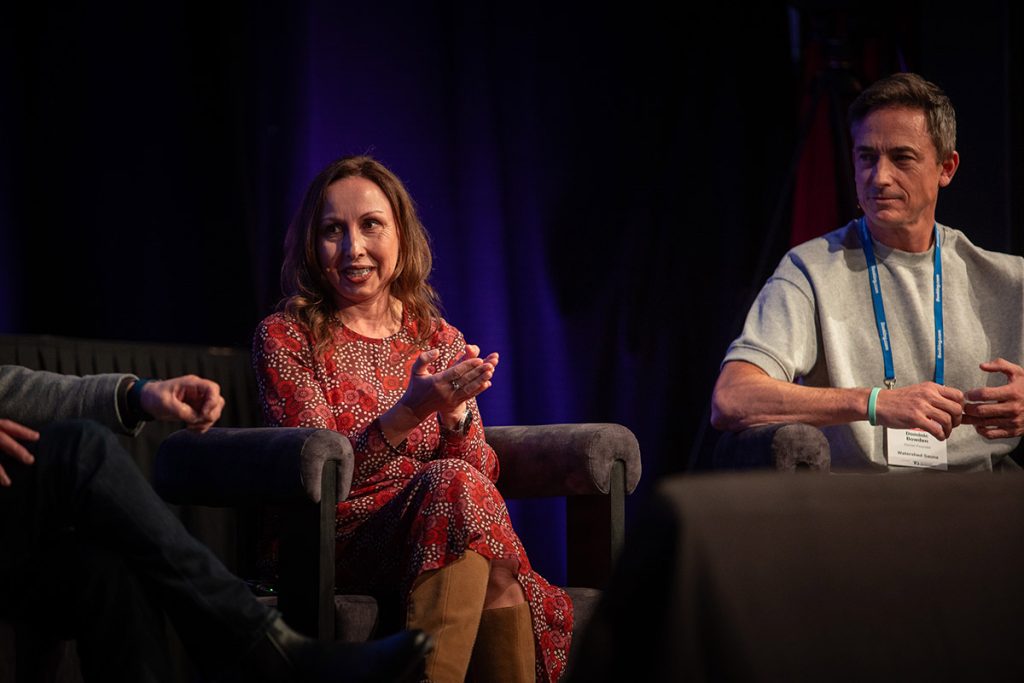
Simona Turin, Chief Executive and Co-Founder, Planit
The travel funnel has flipped
On discovery and distribution, Boris said, “For years it was: where do I want to go, how do I get there, where do I stay, what am I going to do. That’s flipped. People now ask: what do I want to do, then work backward to where and how.”
Flights and hotels, he argued, are increasingly commoditised in the traveller’s mind, while experiences have become the actual currency of the trip – literally, in social terms. “When someone gets to Queenstown, nobody asks how the flight was. They ask what you did. You pull out your phone, you show pictures, you explain the whole thing. That’s the memory, and it’s the social currency you share.”
Discovery itself, he said, is shifting away from a Google-dominated funnel toward a mix of smaller front doors – LLMs among them, but just as importantly brand, authenticity, and genuine creator recommendation, especially with younger travellers.
Simone Turin of Planit described its customer relationship as starting later in the journey than assumed – not at hotel check-in, but immediately after accommodation is booked, sometimes, for American travellers, a full year in advance. That timing positions the company, in her words, at “the future of the booking” rather than an in-destination afterthought.
She added, “Before, we had a discovery problem. Now we’ve shifted to a decision-making and trust problem. AI confidently tells you what to do, but you’re not sure – is that restaurant really open, is that sauna really available right now? That’s why talking to a human is becoming almost a luxury.”
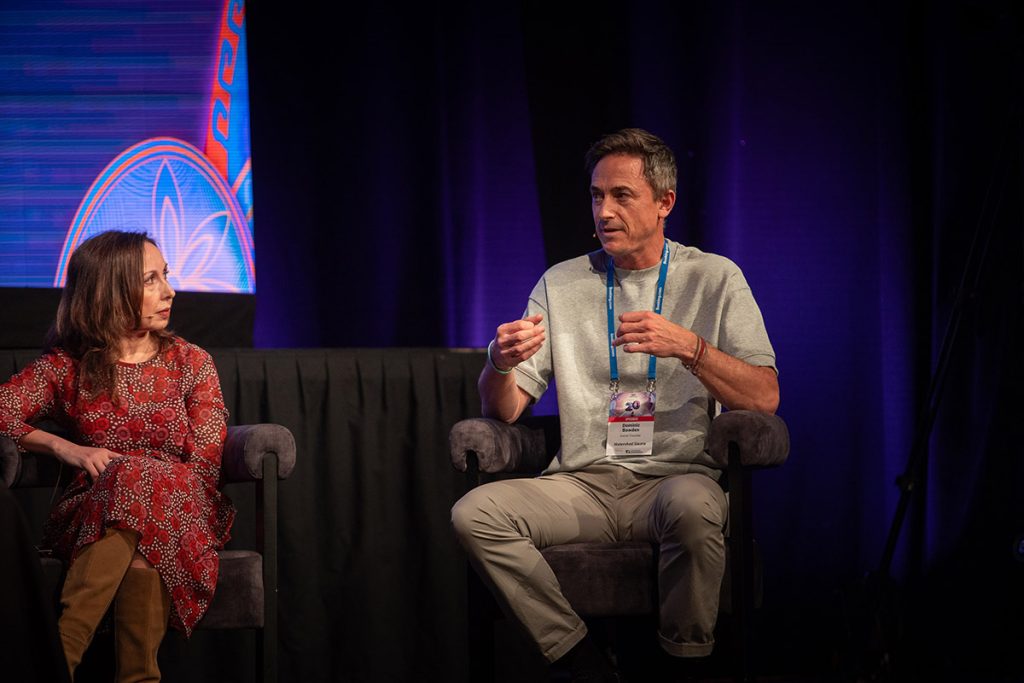
Dominic Bowden, Co-founder, Watershed Saunas
Who keeps the commission?
Cuthbert closed on the industry’s oldest tension: an operator taking a direct booking keeps the full $100; going through Klook, Viator or Big Red Group means paying away 20–30% in commission. Could better AI eventually let small operators like Watershed capture more of that value directly?
Bowden said it’s already happening organically rather than through any AI shortcut – the majority of Watershed’s traffic now arrives via social media and simple physical visibility, people walking past and getting curious, rather than through marketplace listings.
He was open, though, to platforms continuing to add value if they evolve fast enough to justify the cut, drawing an analogy to the record industry: labels stopped serving artists’ original purpose, and yet, presumably, they keep finding new ways to remain useful.
Boris commented: “We hope to grow the market – that’s our reason for being. We actively encourage partners to do things direct, grab that low-hanging fruit, because it’s more economically advantageous for them. But there’s a point of diminishing returns; take rates matter, and the math doesn’t scale linearly forever. Fundamentally, we have to prove our value and we’ve been proving it for 25 years.”