All eyes on Japan as it takes one more step towards easing of restrictions
“THE women will be happy, lipstick sales will go up,” said the Gojek driver to me, the day the announcement came that Singapore would make masks optional except in public transport and medical facilities effective August 29.
I smiled. He of course couldn’t see that behind my mask but we both shared a moment of solidarity. We have lived through the biggest existential crisis of Singapore’s young (57 years old) life and we have come out of it together and come next week, kids will be able to see each other’s faces in classrooms, and we will be able to see each other’s smiles in malls, cinemas, concert halls, theatres …
For those living in the West, I know, they are puzzled as to why we in Asia are still living with masks when they have gotten on with living with Covid. And it will be interesting to see how many people in Singapore will opt to keep their masks on because even now, when it’s no longer mandatory outdoors, the majority are keeping them on. Perhaps it’s become like a second skin and shedding it will take some time.
But this mask-off move at least gives people a choice to determine their own personal risk, and is an important signal of the government’s determination to push ahead towards living with Covid.
For the travel and conferences and exhibitions business, this is big news. Now everyone can truly enjoy Singapore as it ought to be – not having to worry, oh, should I mask or not mask, each time they walk in and out of malls or restaurants.
In conferences, we will be able to see our audience’s faces once again. It’s hard speaking to people in masks. Physical events live and die by serendipitious moments and how can you have those when you constantly have to worry about masking, social distancing and so on and so forth?
It’s a subtle thing – the liberation of mind – but it matters a lot in the experience of a destination or an event.
At the same time, Singapore is also waiving stay-home notice for unvaccinated travellers – the only requirement being a PCR test two days before departure. Not sure if this will make a big difference, but every little easing counts.
All these measures are clearly happening before the big party of the year – no, not WiT Singapore on Oct 3-5 – but the Formula 1 night race taking place the weekend before our event. And no, we didn’t plan it that way.
Japan is taking another baby step towards reopening – news reports indicating it will scrap Covid entry tests for vaccinated travellers as well as double the current daily limit of 20,000 tourists to 50,000 from next month – although travellers still have to go through a travel agency to be able to enter.
As strong as the pull of Japan is, though, I believe travellers will not go where there are still tests and restrictions in place, unless it’s absolutely necessary.
Most of the world has opened up and gotten on with living with Covid; travellers do not want to go to places where they are still reminded, ‘oh, by the way, there’s still a pandemic going on’ and have constant anxiety over what happens if they test positive – especially when there are so many other options.
Asia is now two worlds – South-east Asia is open and we are free to travel cross-border to visit each other without restrictions while varying degrees of restrictions remain in North Asia.
Hong Kong has reduced quarantine to 3+4 (3 days in hotel, 4 days at home monitored). Effective August 15, travellers coming to Taiwan will no longer be required to provide a result of a PCR test taken within two days of their flight schedule time. South Korea still requires PCR tests on arrival. China is maintaining its zero Covid strategy.
China, South Korea and Japan are Asia’s three biggest outbound markets. In 2019, the number of outbound tourists from China reached nearly 155 million. That same year, South Korea recorded 28.7 million international departures while the number of Japanese overseas travellers exceeded 20 million for the first time, reaching a record 20,080,600.
That’s a big chunk still missing from the Asia Pacific and global tourism market. Let’s hope Singapore’s mask-off move triggers more easing across the region. Every little step counts for the region that was first in, last out.
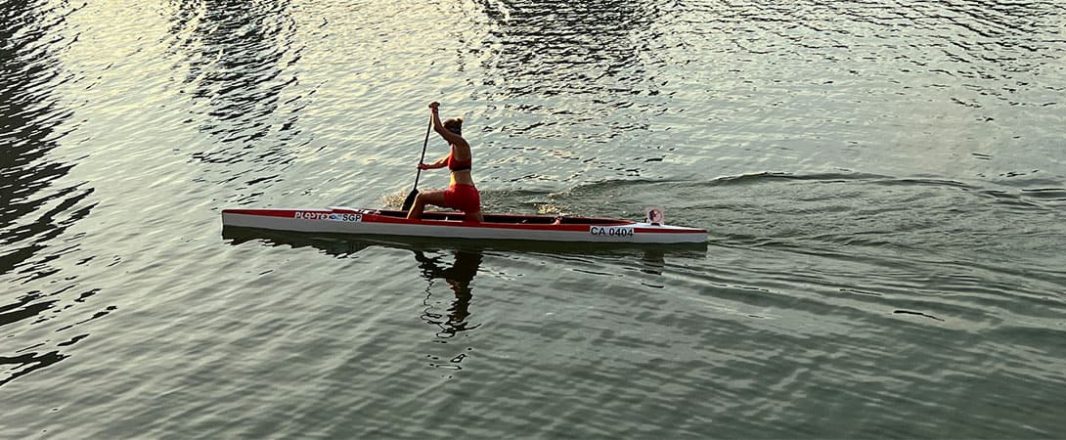
Featured image: Singapore forging ahead with easing of restrictions on daily life.