
From apartment-style hotels to longevity retreats and high-end private villas, travellers are seeking new experiences
The world of travel has changed dramatically since the pandemic, bringing with it a wave of innovation in hospitality. While traditional hotel stays are still in demand, the hospitality industry is now brimming with creative new models that cater to a more diverse and discerning traveller base.
From hybrid hotels that blur the lines between work and play to wellness-focused retreats that cater to health-conscious guests and high net worth travellers, a panel at WiT Singapore, offering “Three Shades of Hospitality” underscored how hospitality is evolving to meet modern travellers’ preferences and priorities.
New management models for the independents
A growing number of hospitality providers are adopting management contract models similar to those used by major hotel chains, but tailored to independent brands. This allows small operators to grow without heavy capital investment, while maintaining their unique appeal.
Akihiro Kitagawa, co-founder of Section L, an apartment-style hotel brand in Japan, describes the approach: “We took the classic management contract model, like you’d see with Accor or Marriott, but adapted it for independent properties.”
This approach allows for brand creation with minimal financial risk, giving independent brands the freedom to focus on crafting distinctive guest experiences rather than on asset-heavy investments.
For Pieter Brudyn, CEO of In Residence, a high end villa management company, the key to success lies in carefully balancing the needs of property owners with those of guests.
“We believe that we are positioned there in the middle between the house owner and an amazing property,” he says. By mediating between owners and travellers, Brudyn’s company ensures that properties meet high standards while delivering personalized experiences that inspire guest loyalty.
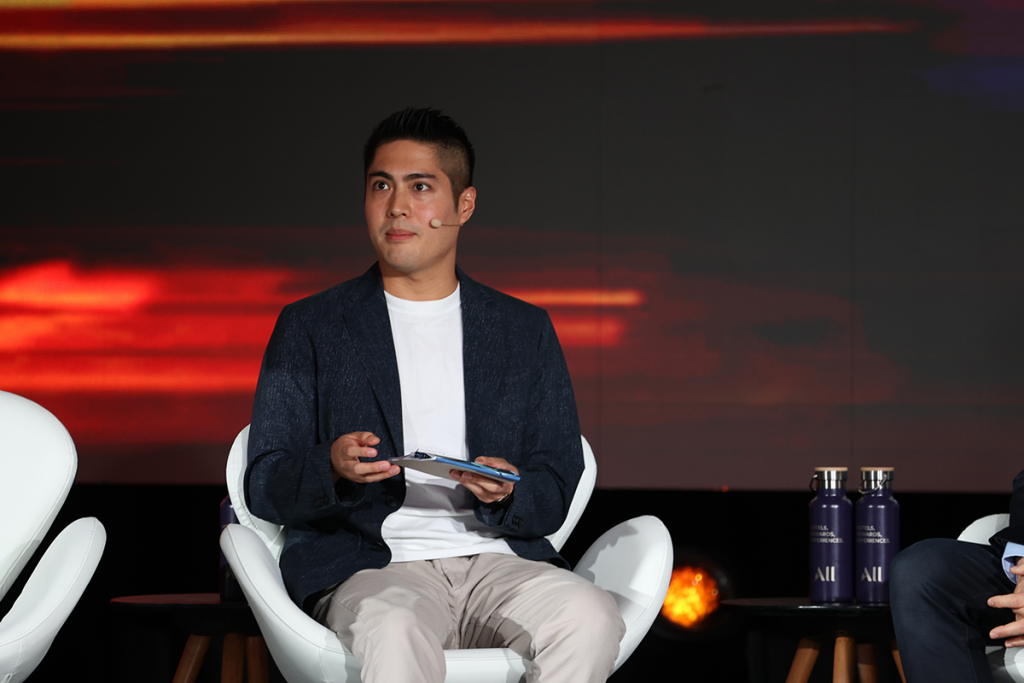
Akihiro Kitagawa, co-founder of Section L, an apartment-style hotel brand in Japan, describes the approach: “We took the classic management contract model, like you’d see with Accor or Marriott, but adapted it for independent properties.”
Longevity travel takes hold in hospitality
The pandemic has also pushed wellness to the forefront, with a growing demand for accommodation that integrates health and wellbeing into the guest experience. This trend goes far beyond fitness centres and spa treatments; it’s about creating holistic, personalized experiences that focus on both mental and physical health.
“In our wellness-focused hotels, it’s like having a whole team – doctors, chefs, trainers, and physiotherapists – working together to create a programme just for you,” says Wsinee Sukjaroenkraisri, Executive Vice President, RAKxa Integrative Wellness.
Its properties, present in Bangkok, Tuscany and Denver, blend luxury with healthcare expertise, offering everything from tailored fitness routines to personalized nutrition plans.
Wsinee notes that the concept of longevity in hospitality is evolving too: “These days, when people talk about longevity, it’s not just the years you add on, but it’s health span, which is adding quality to life.”
Shift in monetisation of hospitality real estate
RAKxa, which is a joint venture between a real estate company – MK Real Estate – and a leading hospital, Bumrungrad Hospital – underscores the “fundamental shift in the monetization of hospitality real estate”, as noted by Stephan Ekbergh, CEO of Travelstart, moderating the panel.
He notes that while the trend was emerging pre-pandemic, the past few years have accelerated the change. Operators are exploring mixed-use developments that combine residential, retail, and hospitality spaces, appealing to both investors and a new generation of travellers who prefer multi-functional environments.
Meanwhile, brand diversification has become a popular strategy for growth, particularly in competitive markets. By creating multiple brands under a single umbrella, hospitality groups can cater to a range of guest demographics and price points without sacrificing quality or authenticity.
Kitagawa shares his vision for Section L in Japan: “We want to be the best apartment-style hotel brand in Japan. And the way we split is by diversifying the brand; the higher-end categories get more attention and control.”

Wsinee Sukjaroenkraisri (Right), Pieter Brudyn (Center) and Akihiro Kitagawa (Left) discussing the changing face of hospitality in Asia Pacific
The desire for personalized, experience-driven stays
Perhaps the most striking development in modern hospitality is the emphasis on personalization and experience. For independent and boutique hotels, this has long been a differentiator, but today it’s a necessity across the board as travellers seek meaningful connections and unique stays.
According to Wsinee, guests at her properties often return year after year. “The number one complaint we get is that they don’t want to leave. They feel like home when they’re with us,” she says.
Creating these memorable experiences also means fostering opportunities for guests to connect. Kitagawa explains that his properties offer weekly happy hours for guests to get to know each other and the staff, creating a sense of community. “They develop bigger, better bonds like that, and they feel closer to the brand,” he says. This social approach is particularly popular with solo travellers and remote workers looking for connection on the road.
“Not where they stay but how we meet their needs”
In the luxury sector, understanding and anticipating the needs of high-net-worth clients is essential. Brudyn emphasizes that affluent travellers often have a refined sense of taste and know exactly what they want. “They’ve got amazing taste; they normally know more than you,” he says.
For luxury operators of high end villas, meeting these demands means flawless property management and highly personalized services. Boutique firms like Brudyn’s are expanding internationally to ensure that their high-net-worth clients receive a consistent experience, no matter where they travel. He’s eyeing a network of up to 5,000 properties for his collection.
“In this new era, it’s not just about where people stay, but how we meet their needs at every level.”