
When The Luxe Nomad launched in 2012, it was born out of a dare, and a dose of naïveté. Thirteen years later, its founder Stephanie Chai sits on a regional empire of villas, chalets, and condo-hotels spanning Bali, Thailand, and Hokkaido – proof that optimism, when coupled with tenacity, can build something enduring.
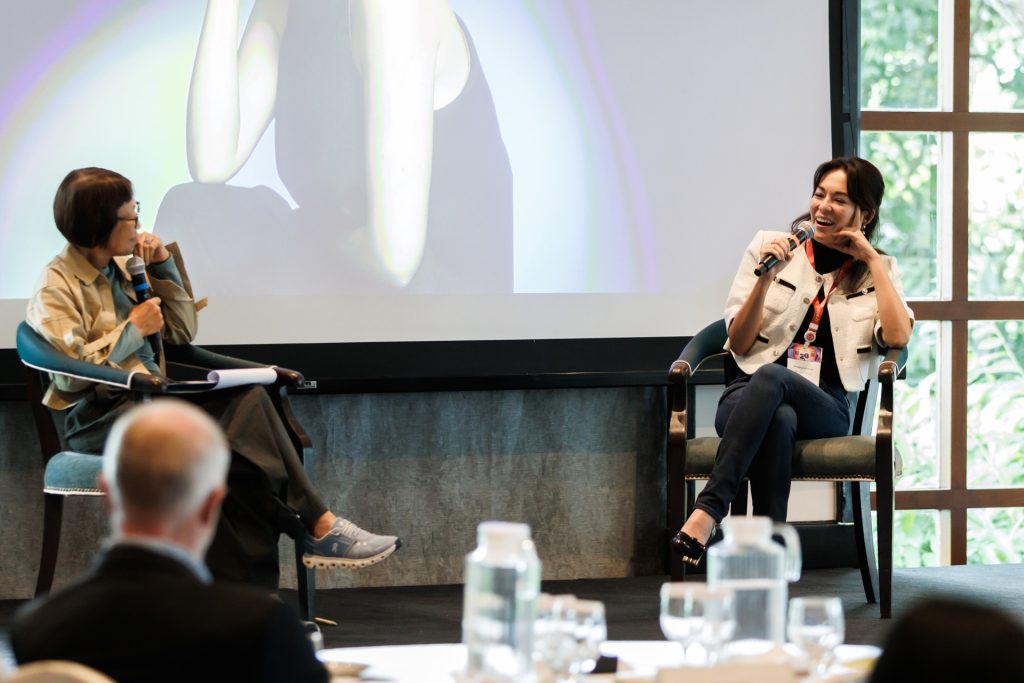
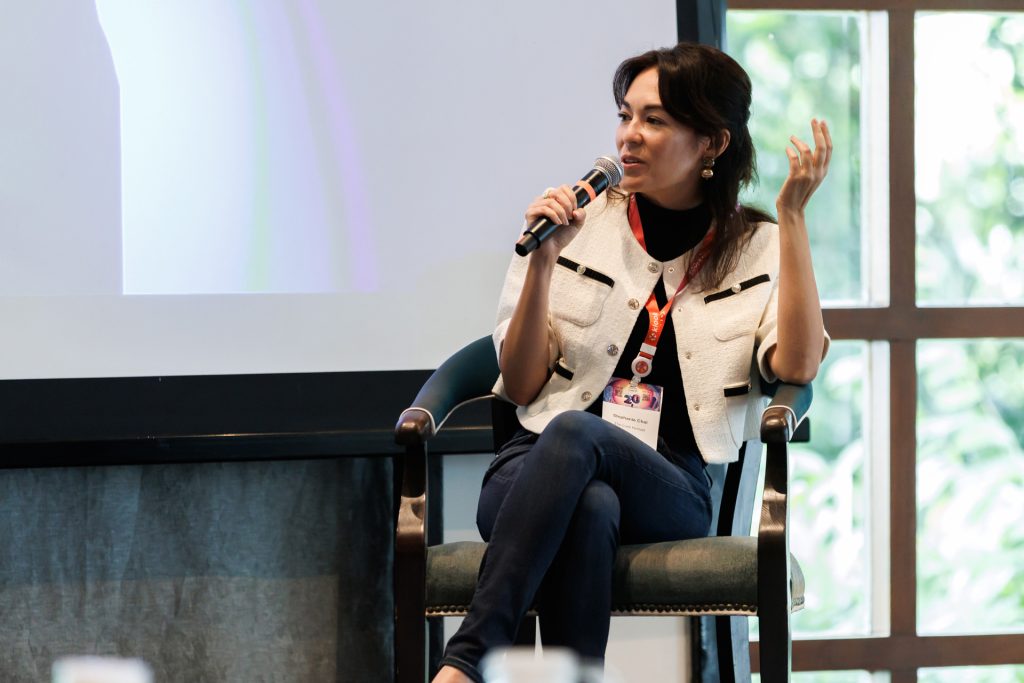
At WiT Singapore 2025, Chai took the stage to reflect on the journey that began with “five minutes of foolish courage” and evolved into one of Asia’s most successful independent luxury property-management brands.
Naïveté as a superpower
Born in New Zealand to an Italian mother and Malaysian father, Chai grew up in Sarawak dreaming beyond the rainforest canopy. Her early career as a model and TV host gave her visibility and, as she jokes, “a lot of preconceived notions to overcome.”
“Some investors saw the ‘beauty-with-brains’ headline and rolled their eyes,” she said. “But it also opened doors. Media attention is still one of the best marketing currencies you can get for free.”
Her first business idea wasn’t entirely hers. “An ex-boyfriend used to send me startup ideas,” she laughed. “One day he said, ‘You like staying in nice places but don’t like paying for them.’ Maybe it was a dig but I took it seriously.”
What followed were nights spent cropping villa photos at 11 pm. “It was harder work than I realised,” laughed Chai.
The first pivot: From flash sales to foundations
Back in 2012, flash-deal sites were the rage. The Luxe Nomad rode the wave until email fatigue set in. “Every week it was 30% off, 20% off. It gets boring fast,” she recalled. “And once people stop opening emails, you’re done.”
By 2014, Chai saw the writing on the wall. She sketched on a whiteboard: “Pivot or die a slow death.” One board member shot back, “Actually, I see only one option.”
That exchange became her turning point. By 2017, she’d steered The Luxe Nomad from a flash-sales site into full-fledged villa management, acquiring a Bali firm and later expanding into Thailand.
“I learned the hard way how to present a pivot to a board,” she said. “In 2014 I didn’t push hard enough. In 2016, I did and it changed everything.”
Rolling up, leveling up
Chai calls her strategy today an “M&A roll-up in a fragmented industry.” The company now manages about 100 properties across Asia, including ski-in/ski-out condos, chalets, and boutique apartments. Its crown jewel: Niseko, Japan’s premier ski region.
“When we bought the Niseko management company, that was my moonshot,” she said. “We’d been the top booking portal there for years, so the trust was already built. Buying 100% of it was like going from a bit-part movie to a Hollywood one.”
Today, The Luxe Nomad oversees 1,400 rooms generating roughly US $63 million in bookings annually. “That was always the goal,” she said simply.
Raising capital and keeping instincts clean
Despite the narrative of how hard fundraising can be for women founders, Chai shrugs. “I never thought it was difficult, not at first,” she said. “When I was in high school in New Zealand, both the Prime Minister and the opposition leader were women. So, I grew up with a very idealistic view on equality.”
Her funding journey was steady – from US $200,000 in seed money to about $4 million total and she’s managed to build a profitable company on lean capital.
The real challenge, she said, is knowing when to push and when to listen. “Now I speak to each board member individually before a big decision. You get better conversations that way.”
And as for investor bias? “Once you start delivering results, perception stops being the story.”
The pandemic and the power of perspective
When COVID-19 hit, panic texts arrived in all caps from older investors. “One said, ‘Should we throw money at a sinking ship?’” Chai smiled. “I saw it as an opportunity. It opened doors to M&A that would’ve been closed before — especially in Japan.”
Her instinct proved right. Hokkaido became her next growth engine, and with strong EBITDA margins today, the company funds new growth through cash and debt, with VCs now knocking on her door.
Leadership, gender, and growth
Early on, Chai famously built an all-female team, not out of ideology, but practicality. “Maybe men didn’t want to work for me back then,” she quipped. “Now half our heads of department are women, and our Japan managers are evenly split.”
She’s pragmatic about diversity: “We hire the best person for the job. Equality means equal opportunity, not quotas.”
Tech, talent, and the next 10 years
Chai sees technology as a tool, not a substitute for service. “An investor once said, ‘Why don’t you just put AI there?’ But luxury isn’t arriving at a villa and finding nobody there.”
Her approach now: hire only when necessary, automate when smart. “There’s a danger when things are going well, you throw people at problems. I’ve put tighter controls on hiring.”
The Luxe Nomad employs around 200 people, and she’s preparing the brand to stay focused on Asia before going global.
The Luxe mindset
For all the glamour, Chai remains grounded. Meditation helps, as does a sharp sense of humour. Her daily phone pings – villa owners, guests, suppliers – keep her tethered to reality.
When asked about her darkest moments, she doesn’t hesitate: “Only the early days. Once we got the business model right, I never doubted it again.”
Her advice to founders betting on niche markets: “Make sure your niche isn’t so small that you run out of customers. B2C is hard. If you’re not good at branding, find someone who is.”
Luxury, defined
So, what defines luxury to Stephanie Chai? Not marble or Michelin stars but linens. “It’s the one thing you shouldn’t compromise on,” she said. “People remember how they slept.”
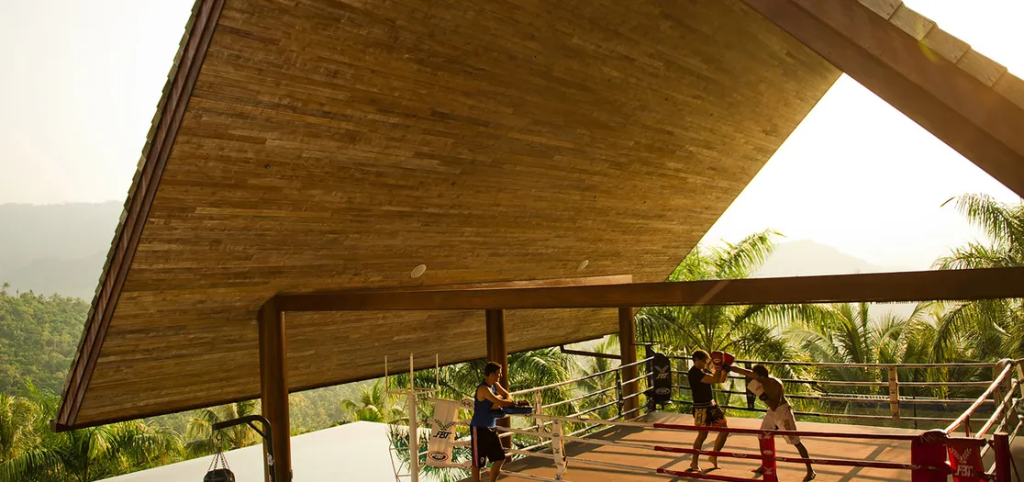
And her favourite villa? She demurred – but mentioned the Praana Residence At Panacea Retreat in Samui, which comes with a 20-seat cinema, underground nightclub, Muay Thai ring, sauna, and 25-metre pool.
“That one’s about US $3,500 a night,” she grinned. “Bargain, right?”