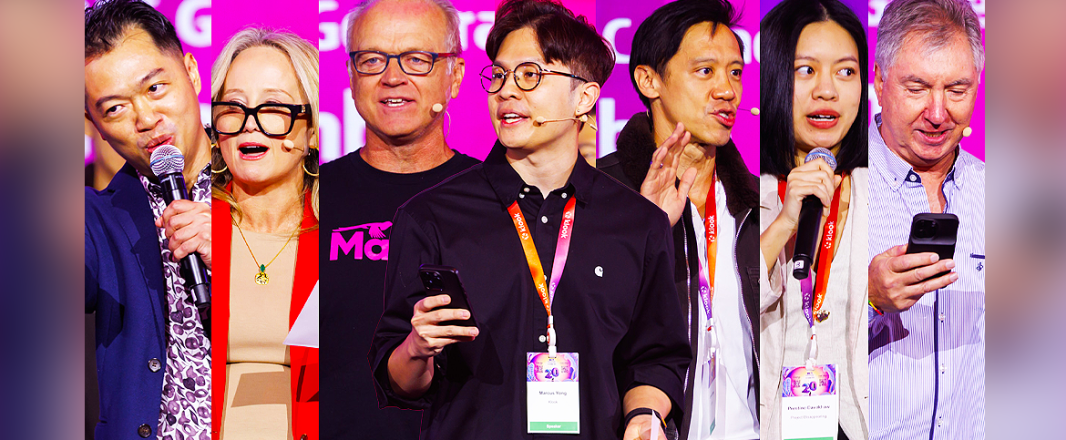
At WiT Singapore 2025, seven voices sparred over travel’s next frontier and the answer might just be the traveller.
When WiT turns 20, it doesn’t start with a party – it starts with a fight.
Under the blazing lights of the Main Stage at Marina Bay Sands, Singapore, seven industry minds from across travel, tech, and creativity stepped up to tackle one question that will define the next two decades: Who will win in the age of AI?
Is it the intermediaries, masters of distribution and data? The suppliers, who own the product and the brand love? The horizontals like Google or Tencent, who already control the pipes and the platforms? The content creators, who bring stories alive? The disruptors waiting in stealth mode? Or the ultimate outsiders – banks, fintechs, maybe even travellers themselves – now armed with direct access to wallets, data, and choices?
It was 9:10 a.m., and the gloves were off.
Round One: The Human OTA
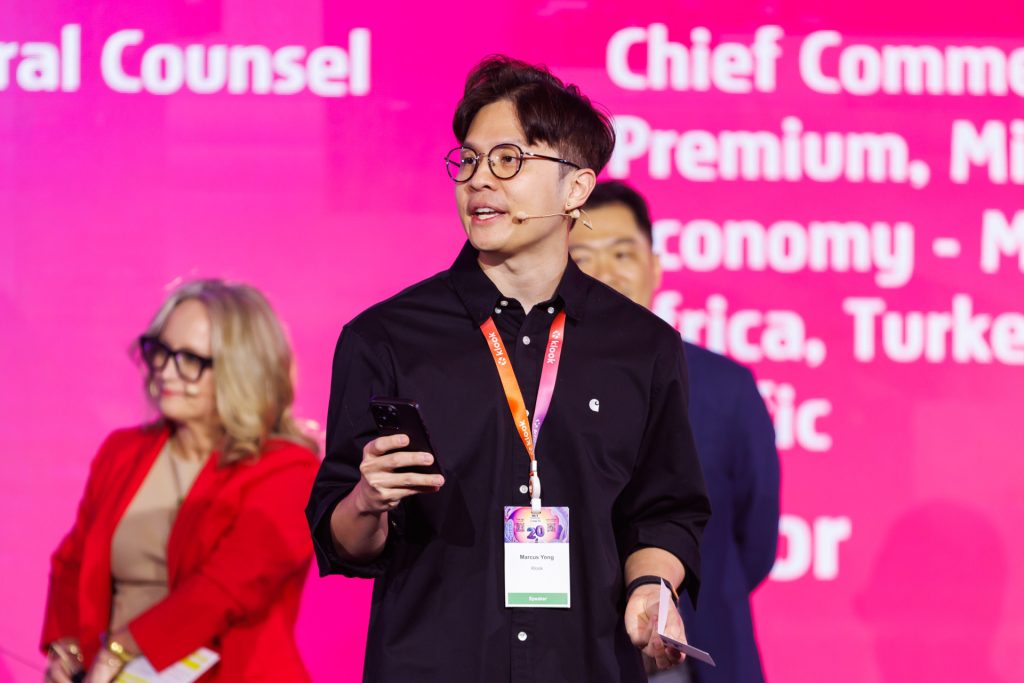
Marcus Yong, Global VP of Marketing, Klook
Marcus kicked off the debate with the marketer’s flair he’s known for.
“If you remember an OTA ad, raise your hand,” he teased. “Now take away the ones from your own company. Still remember any?”
He didn’t. But what he did remember was a YouTube clip of two creators, Nate and Kara, riding Asia’s longest mountain roller coaster in Dalat. That moment of feeling – not an ad – was what made him book a trip there.
“AI will wipe out anyone who doesn’t keep up,” he said. “OTAs will survive because of their data, speed and scale but AI will also make every OTA look the same. Pricing, search, personalisation – the algorithms will level the field. The OTA that wins will be the one that’s most human.”
The audience nodded – score one for heart over hardware.
Round Two: The Authentic Creator
Prestine Davekhaw, Documentary Photographer and Founder, MalaysianPAYGAP
Prestine spoke not as a technologist, but as a storyteller.
She shared how, while watching BBC Earth, she and her filmmaker partner questioned whether the majestic bat migration on screen was even real.
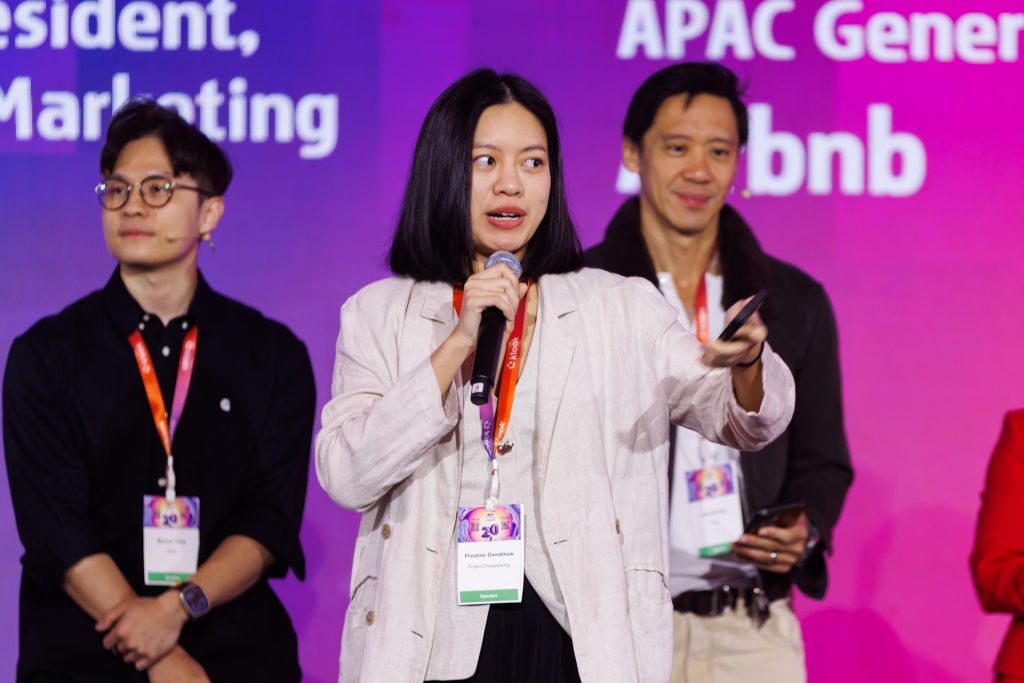
“We’ve stopped trusting what we see,” she said. “AI can mimic everything. What’s left to protect is authenticity.”
Her words were less argument, more plea – a reminder that the last generation might be the final one to truly know what’s real.
“Slow down,” she urged. “Because authenticity takes time — and it may soon be gone.”
Round Three: The Specialist Travel App
Darrell Chan, APAC General Counsel, Airbnb
The lawyer came prepared, data and metaphors in hand. After “six months of research,” he concluded that the future belongs not to large language models but to specialised travel apps.
“LLMs are powerful, but they’re generic,” he said. “They’ll give you the same advice as your 80-year-old grandmother unless you feed them your preferences.”
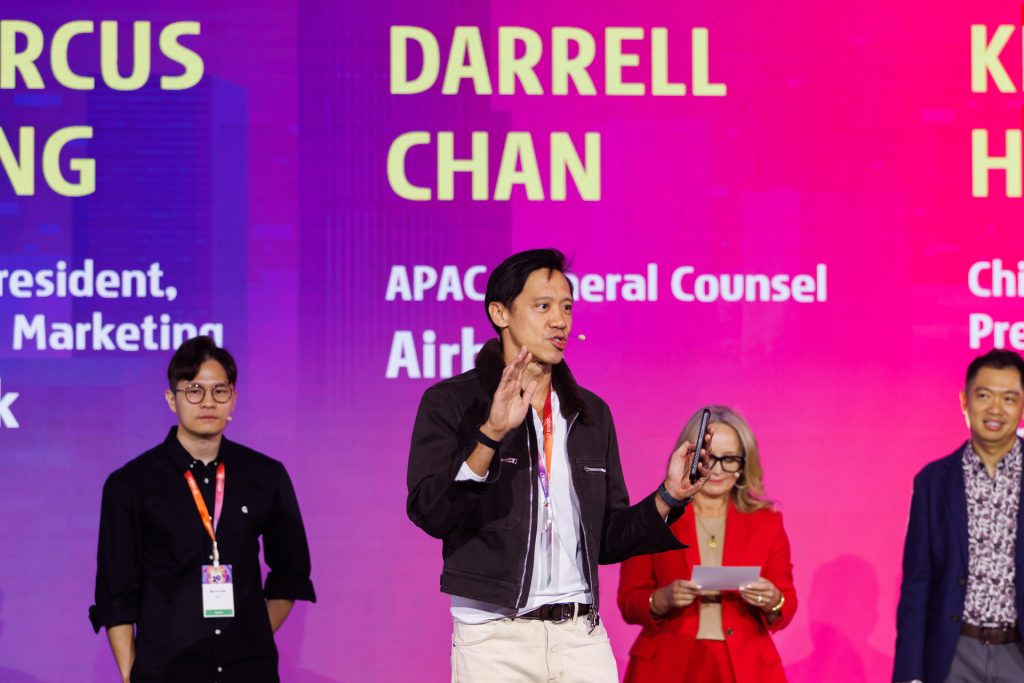
A travel-specific app, he argued, can personalise, transact and support better than any general AI assistant.
“You don’t make great sushi with a Swiss army knife,” he said. “You use a chef’s knife.”
Score one for precision over generalisation.
Round Four: Suppliers Strike Back
Chan Chee Chong, CEO and Co-founder, GlobalTix
With a measured calm that belied his mic-drop message, Chan declared that the middlemen’s days were numbered. Everything the OTAs built over 20 years is technical debt, he said.
In his view, AI’s arrival changes the entire equation: “Economies of scale? The LLMs have it. Network effects? Gone. Brand power? Replaced by the AI’s own voice. The consumer will talk directly to the model.”
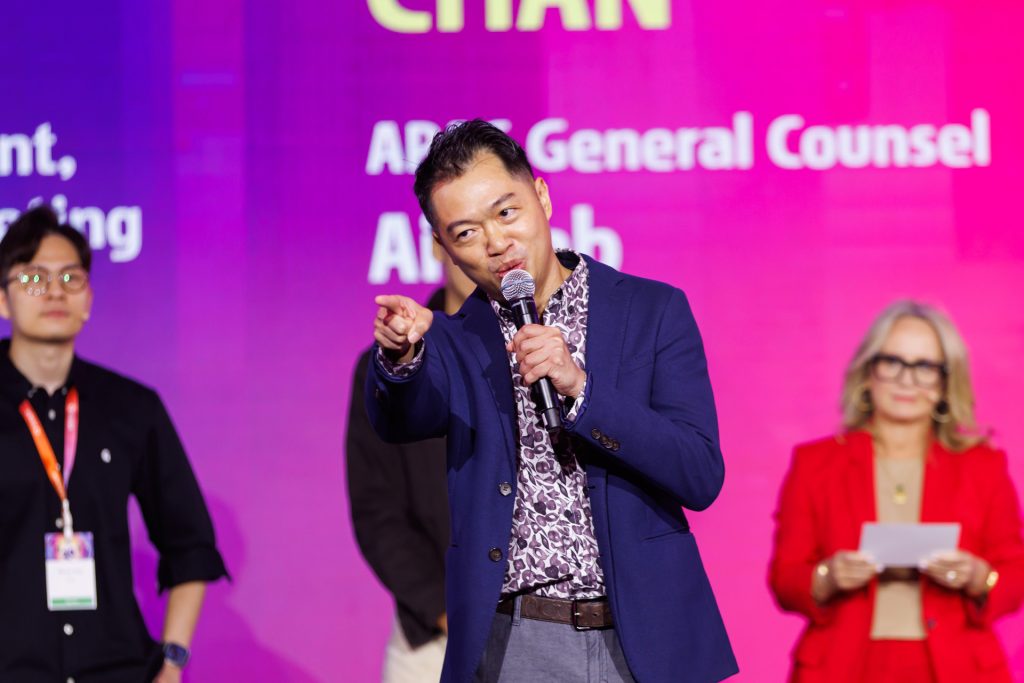
His conclusion was blunt and unapologetic: “The ultimate winner is the supplier. We cut out the middleman and keep the commission for ourselves.”
Gasps and laughter rippled through the room.
Round Five: The Outsiders Take Over
Christian Watts, Founder and CEO, Magpie Travel
Christian argued that the next disruptors wouldn’t come from travel at all.
“For twenty years OTAs ruled because they mastered transactions,” he said. “But in the AI era, the war is for personalisation and inspiration. And who knows you best? Not a travel app – it’s Google Pay, Apple Pay, TikTok, YouTube.”
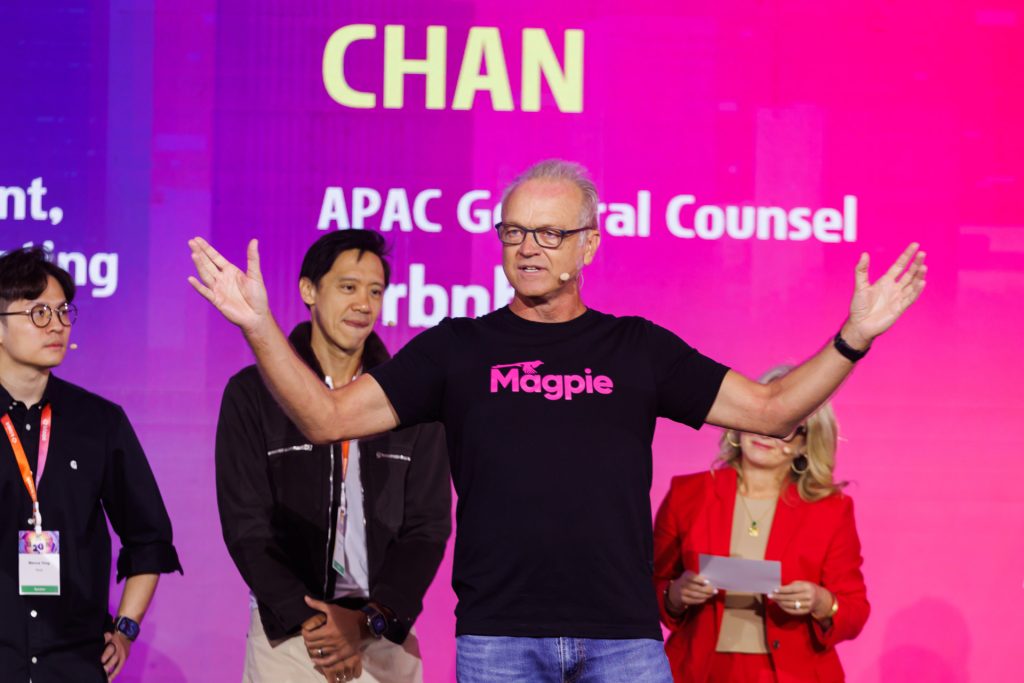
These “outsiders,” he said, already own the data and engagement travel brands crave.
And then, with mischievous humour, he added:
“My own AI assistant probably knows me better than my wife – and doesn’t complain.”
The crowd roared.
Round Six: The Traveller Wins
Timothy O’Neil-Dunne, Principal, T2Impact
The veteran industry provocateur strode to the mic like a storyteller closing a chapter.
“Let’s stop with the fairy tale,” he began. “AI is not godlike. It’s just like us – brilliant, biased, and flawed. But it’s fast. Wickedly fast.”
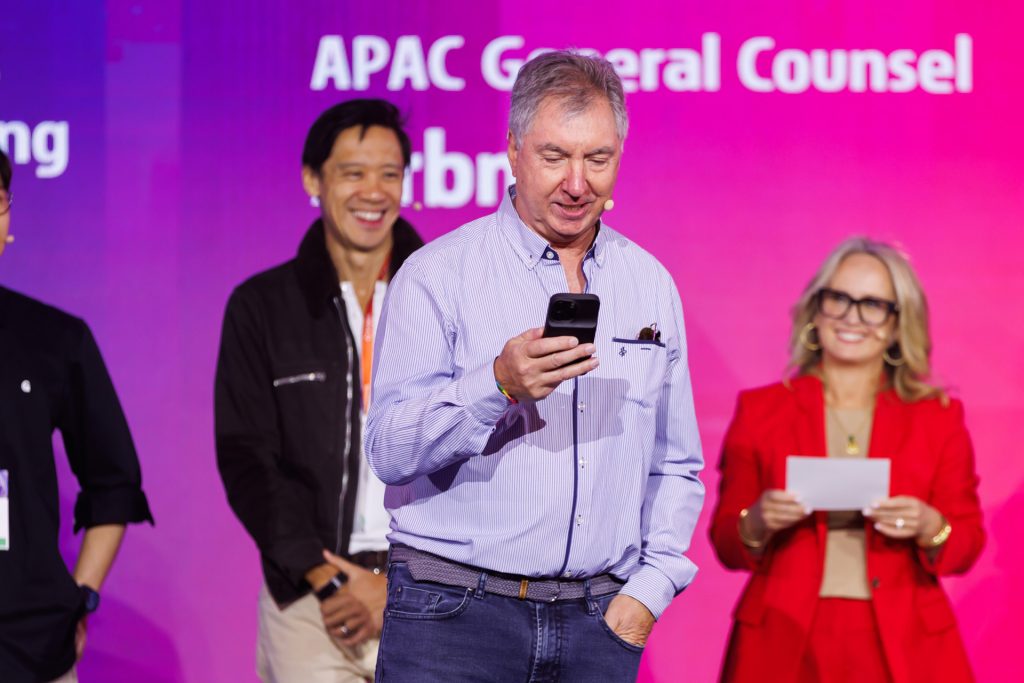
He argued that for decades, intermediaries and suppliers thrived on complexity, profiting from consumer confusion.
“AI ends that. It can see through shadow deals and rigged rules. For the first time, travellers have knowledge – and knowledge travels faster than power. It’s not their game anymore. It’s ours. We win.”
The audience erupted – the travellers had entered the ring.
Round Seven: The Hotelier’s Heart
Kerry Healy, Chief Commercial Officer, Accor
Last up, Kerry delivered her case like a closing statement.
“We’ve spent decades fixating on channels – direct, indirect, OTA. But when did a guest ever check out and say, ‘That was a great booking experience’?”
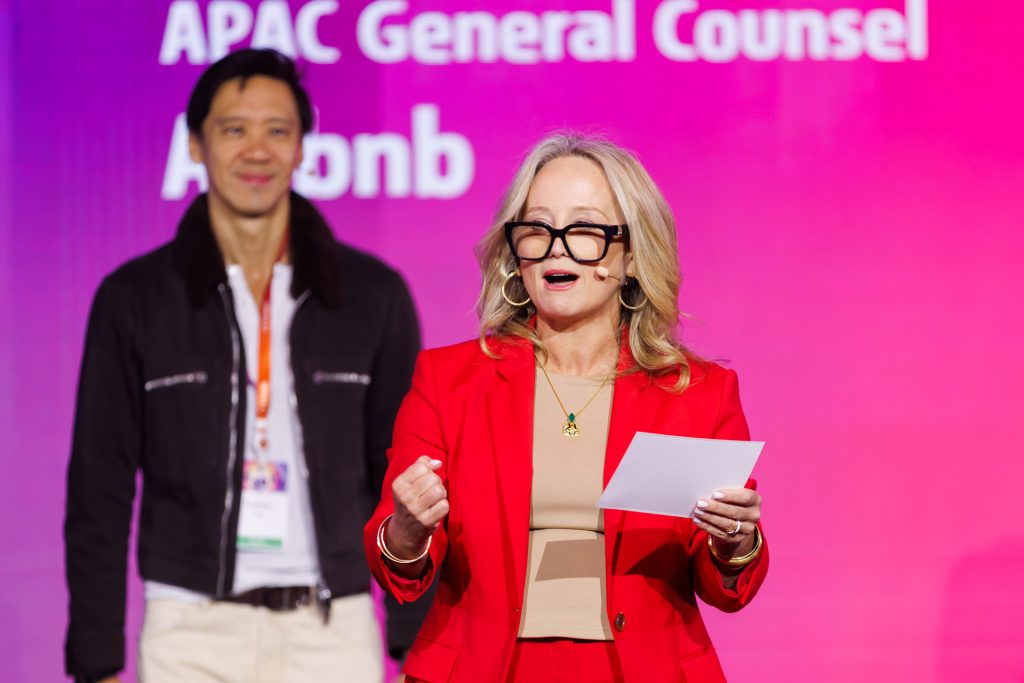
She argued that the next 20 years will belong to brands and people who create memories, not just manage inventory.
“AI will be the electricity that powers it all, important but unnoticed,” she said. “The battleground shifts from pipes to water. Hotels own the water: the emotions, the experiences, the human connection.”
Her punchline brought the metaphor home: “The true winners in the age of AI will be the hotels that own the guest’s heart.”
And the Winner Is…
With all seven cases made, the audience pulled out their phones and cast their votes.
The moderator called it like a race night: reds and oranges flashing on the screen, the suspense building.
When the results came in, three victors emerged – a perfect reflection of travel’s paradox.
The Traveller – championed by Timothy O’Neil-Dunne,
The Outsiders – predicted by Christian Watts,
The Hoteliers – defended by Kerry Healy.
What Say You?
What do you think? Who will win in the age of AI? Ultimately, it’s about who uses intelligence – both human and artificial – best to serve the traveller – better, faster, and more authentically.