If the first age of luxury was about status, and the second about style, the new luxury is about substance.
As moderator Morris Sim (Montara Hospitality) put it, “Luxury is such an overused word. Everyone has their own version of it. But if we start from the customer’s point of view – who are they really, and what do they want – we start to see that luxury is no longer about how much something costs, but how much it connects.”
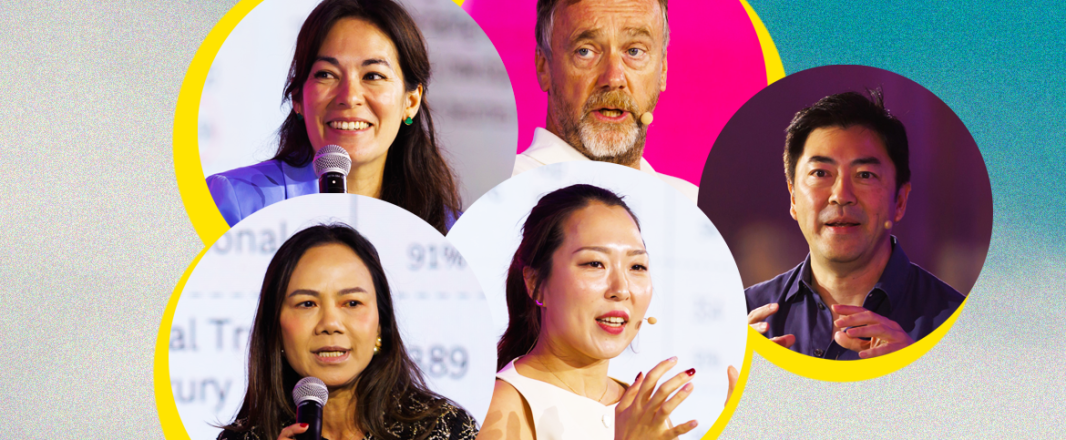
Joining him were Philippe Kjellgren, Founder of PK’s List; Leah Lee, CEO of THE WEEK& Resort & THE CONNOISSEUR Hotel (South Korea); Stephanie Chai, CEO & Founder of The Luxe Nomad; and Kamonwan Wipulakorn, CEO of Bound and Beyond (Thailand).
Together, they painted a vivid picture of a luxury market evolving from bling to meaning, from high heels to barefoot, from sand to soul.
From owning to belonging
For Kamonwan Wipulakorn, who oversees icons such as Four Seasons Bangkok and Capella Bangkok under Bound and Beyond, luxury today is about “a deep connection of people, place and purpose.”
“The shift is clear,” she said. “From having to becoming. From sightseeing to cultural immersion. From eco-friendly to regenerative experiences. From spa wellness to longevity science.”
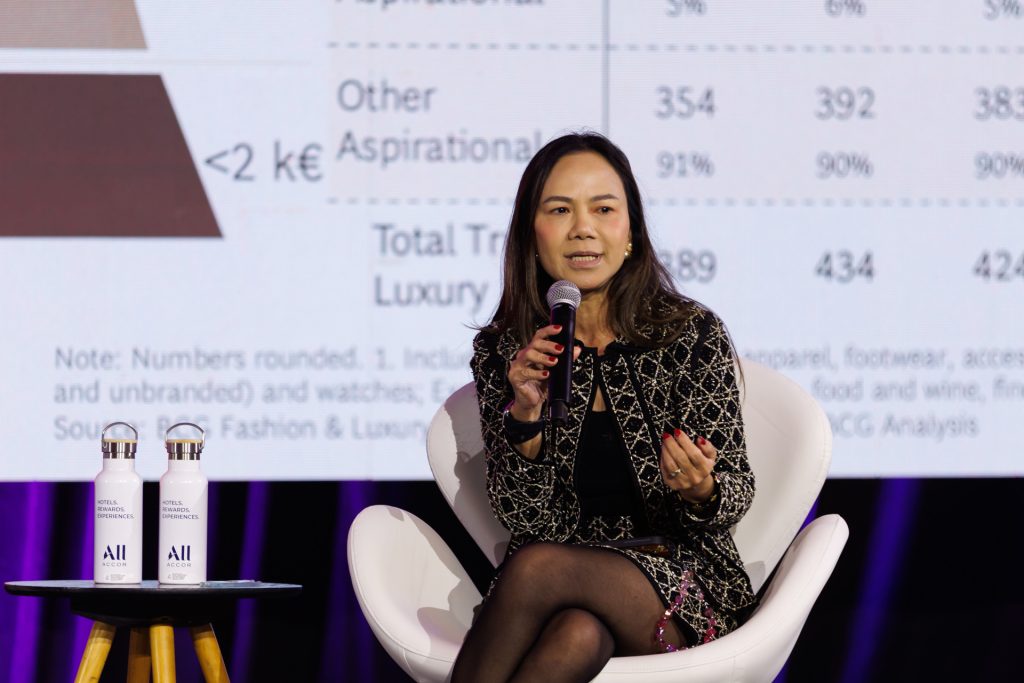
Her upcoming brand, Kaia, embodies this transformation. “It’s about barefoot luxury — where people reconnect with nature and themselves,” she said. “And it’s not just a fashion. It’s driven by the new generation who care deeply about social impact and well-being.”
The fifth stage of luxury: When you no longer need to brag
Few people have slept in more luxury hotels than Philippe Kjellgren, who has stayed in over 2,000 of the world’s top properties while curating PK’s List. But even he admits the category has lost its way.
“I saw all the big luxury brands heading in the same direction, fighting to be number one. But they were losing their soul,” he said. “We realized there was room for something new — barefoot luxury.”
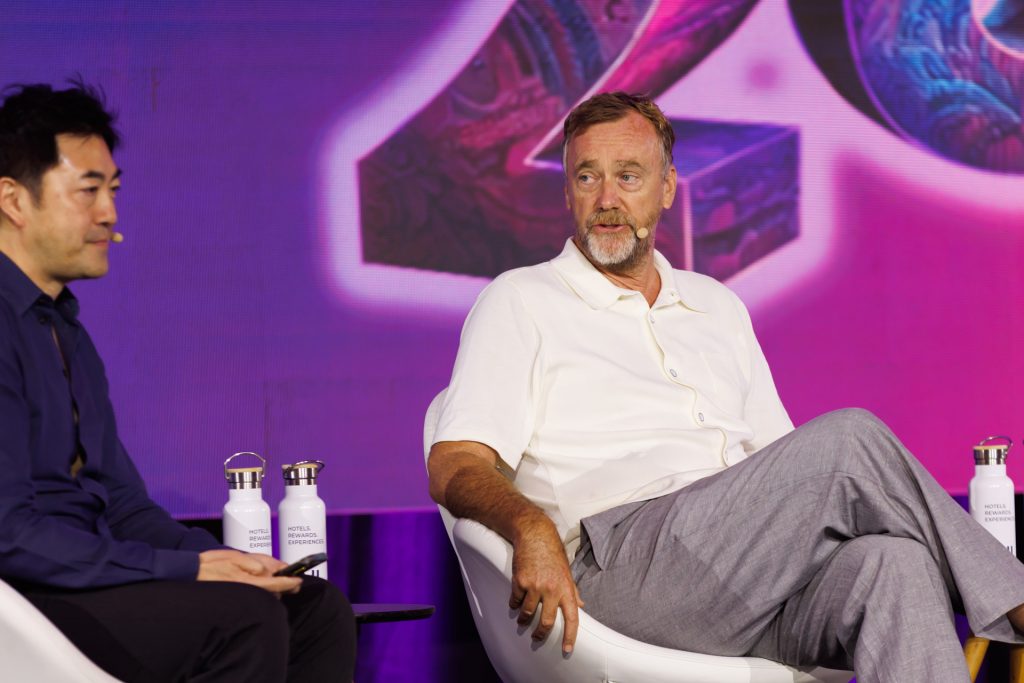
His new project, Voaara in Madagascar, reflects what he calls the “fifth stage of luxury” — when travellers “no longer need to brag about where they go.”
“It’s when you’ve found the place where you belong,” he said.
Voaara integrates community impact directly into its operations – 10% of service fees go to reforestation, sanitation, and education projects through an NGO the brand established.
“The wealthy are willing to spend $2,000 a night. If part of that can make a real difference, that’s meaningful luxury.”
Luxury is space, privacy and choice
Stephanie Chai of The Luxe Nomad sees the evolution of luxury play out across her portfolio of villas in Bali, Thailand, and Japan’s Niseko.
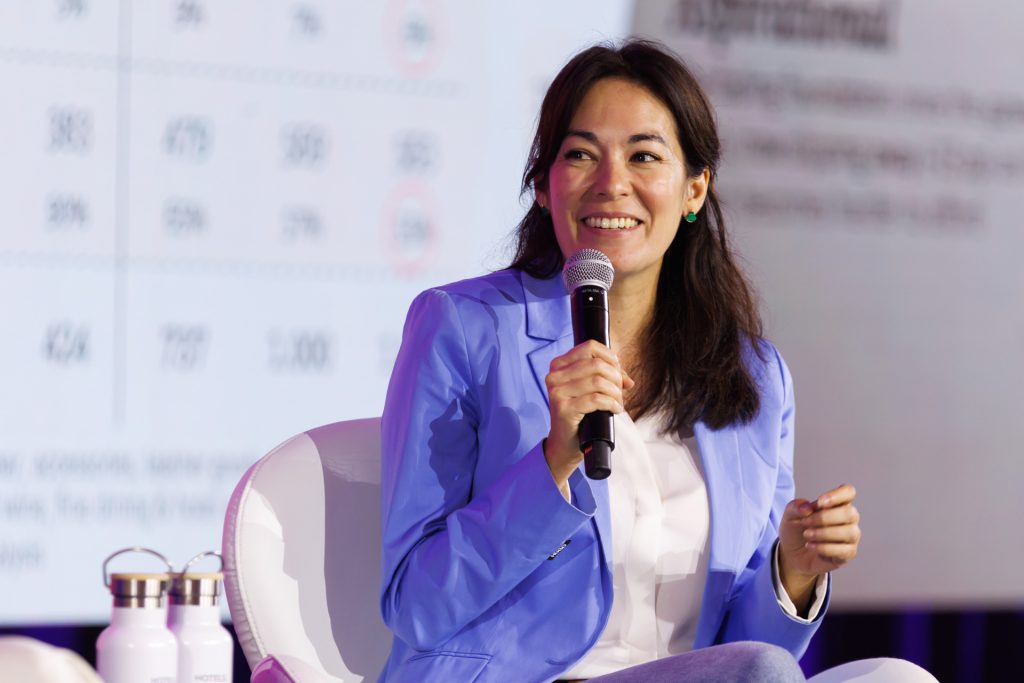
“Luxury today is also about choice,” she said. “Families want space, privacy, and flexibility. They don’t want to worry about kids disturbing others in the pool or chasing restaurant reservations.”
For Chai, luxury lies in control – breakfast when you want it, your own chef, your own pace.
Curated discomfort and the return to self
For Leah Lee, luxury is not about perfection – it’s about curated discomfort.
“I cater to young VIPs in Korea, people who are used to perfection. But true luxury now is rarity – time, nature, peace of mind,” she said. “Touching the earth with your bare feet might feel uncomfortable, but it reconnects you to who you are.”
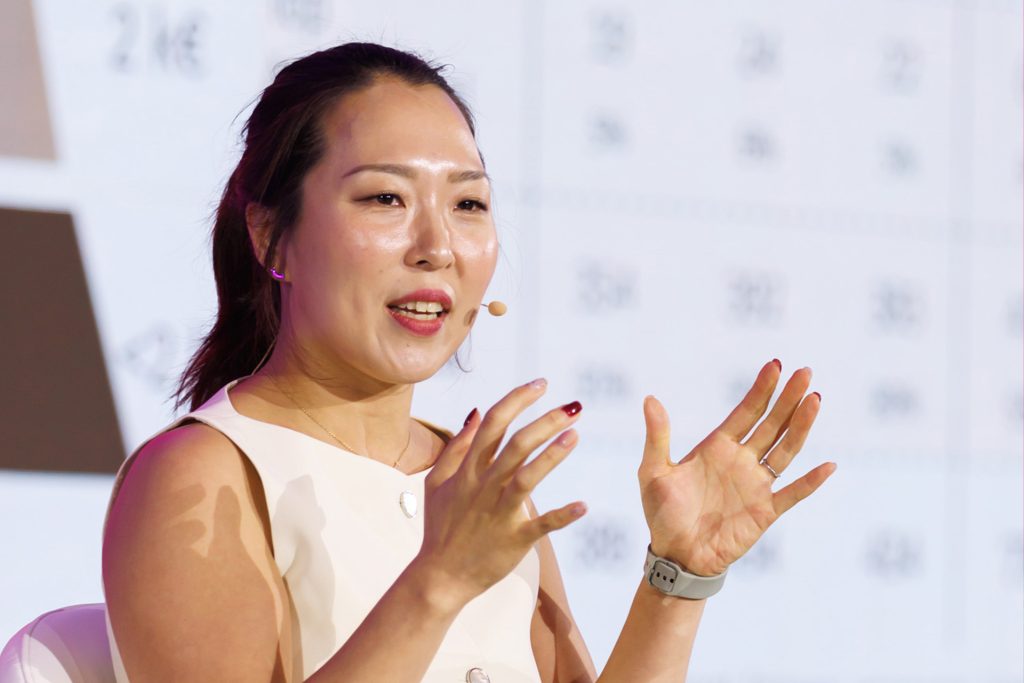
Her resorts, The WEEK& and THE CONNOISSEUR, are designed to provoke reflection. “We want guests to slow down, to feel, to be reminded of themselves,” she said. “That’s the new luxury – not materialistic rarity, but lifestyle rarity.”
Mobility, meaning and the new icons
When Sim showed research indicating that 100% of ultra-high-net-worth individuals invest in “mobility” – yachts, jets, and private travel – the panel was unsurprised.
“That’s convenience, not indulgence,” said Kjellgren. “People hate standing in lines and dealing with airport hassles. Private jets aren’t about showing off anymore, they’re about control and peace.”
Kamonwan noted how hospitality is learning from other luxury sectors like LVMH and Ferrari. “We look at how they create flagship products, build strong communities, and use narrative. We can do the same – through design, craftsmanship, and even private membership models.”
Trust: The true currency of luxury
Luxury, the panel agreed, now runs on trust.
“Trust is built when brands deliver more than they promise,” said Kjellgren. “The best moments are the delightful surprises – when something happens you didn’t expect, but it makes you feel special.”
Kamonwan added that authenticity must be verified both internally and externally. “Institutions like Michelin, World’s 50 Best, Condé Nast – they still anchor trust. But younger travellers now also look to TikTok, YouTube, and Google reviews. Transparency and consistency matter more than ever.”
Leah agreed, calling OTAs a surprising source of honesty. “As much as we have a love-hate relationship with them, OTA reviews are the most real because those guests actually paid.”
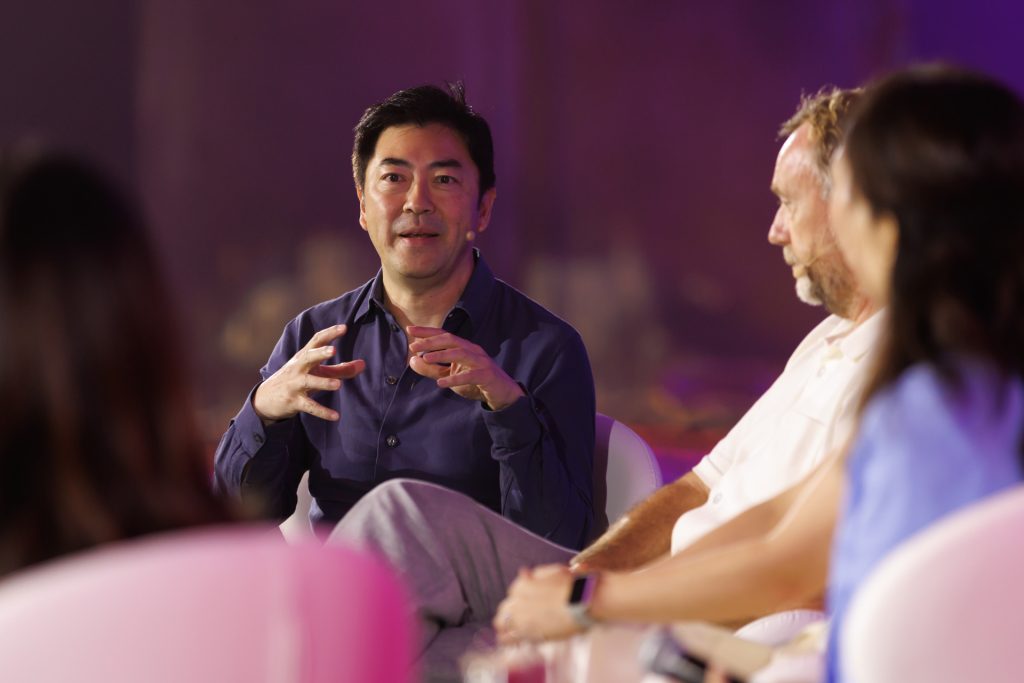
“Luxury is such an overused word. Everyone has their own version of it. But if we start from the customer’s point of view – who are they really, and what do they want – we start to see that luxury is no longer about how much something costs, but how much it connects.” – Morris Sim (Montara Hospitality)
Global luxury, local soul
The panel closed with reflections on whether a universal definition of luxury is even possible.
“Luxury has to be localized,” said Chai. “In Europe, a villa might not have staff. In Asia, there are 10 people waiting on you. Both are valid. The essence of luxury is freedom – the freedom to choose your version of it.”
Lee added that for the new generation, AI will help personalize these choices, but it should never replace the human touch. “AI can help you when you want quiet comfort. But when you want connection, that’s where people come in.”
From bling to being
Moderator Morris Sim summed it up perfectly: “There’s a huge difference between things being expensive and things being meaningful. Meaningful will always override expensive.”
The future of luxury, the panel concluded, will not be defined by the logos we wear or the suites we book, but by the clarity of experience – one that is regenerative, rooted, and profoundly human.
As one speaker put it, “Luxury used to be about how far you could escape. Now it’s about how deeply you can connect.”