
I suppose it is fitting that I used Instinct to book tickets for the movie Odyssey. A robotic agent that can accomplish tasks in seconds, buying tickets to a three-hour film about one man’s arduous, perilous journey over the seas – fighting the wrath of Poseidon – to return to his family after more than 20 years apart.
Travel wasn’t easy in Odysseus’s days. No planes, no trains, no cars — only ships. No engines, no power, no fuel – only men to row the boats.
Today, we zip across continents in a matter of hours – breakfast in Singapore, dinner in London the same day – and we complain. “So long, the flight.” “Hate the jetlag.” “Such long queues at immigration.”
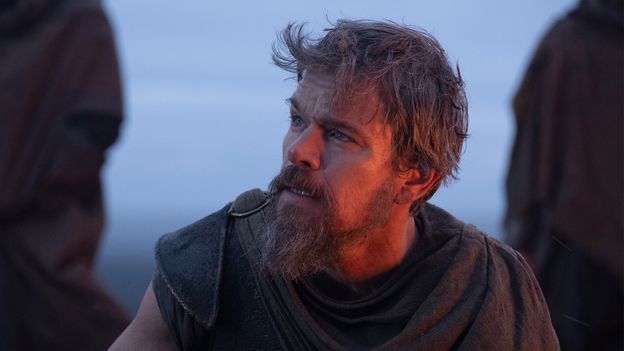
Odysseus goes on a 20-year journey to find his way home after the Trojan War, meeting all manner of man and monster along the way
The litany of tragedies of a modern-day traveller.
We even complain about how long it takes to book a flight, how many websites we have to visit – 29, apparently – before we feel confident enough to click confirm.
Which brings us to this Instinct moment: we want an agent to do everything for us, in seconds, and so a 23-year-old has gone and built one, raised $350 million at a $2.5 billion valuation, just because it can be done these days. Tell me where to go, where to eat, what to eat – and better yet, book it for me. Instinct now sits inside my WhatsApp, and it wants to organise my lunches and dinners too. My life, if I let it.
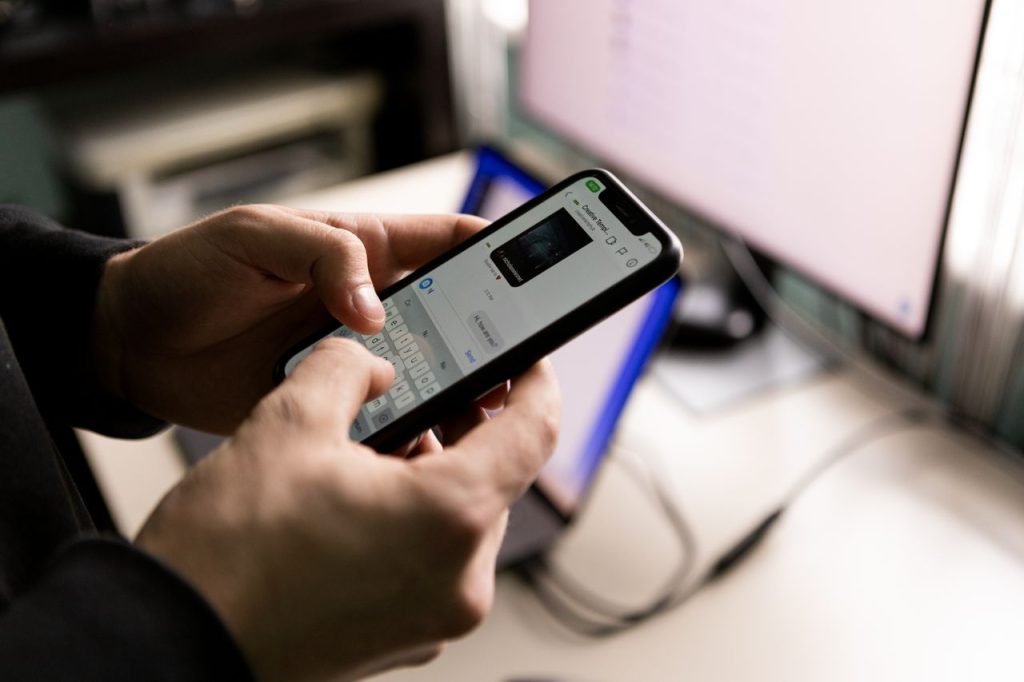
In Odysseus’s days, journeys took years, decades – and along the way, he and his crew had great adventures. Encounters with one-eyed giants. Sumptuous meals with a charming woman who turns men into what she thinks they already are. Getting stranded on an island with an enchantress who makes him forget everything but the present moment.
Isn’t that the stuff of travel adventures we all talk about at dinner? Now, I’m not saying bring back the good old days. But perhaps it should make us pause and ask: why are we all in such a hurry? Why do we want everything faster, quicker, instant? What are we planning to do with all the time these agents will supposedly free up for us – agents that never sleep, and are always at our beck and call?
That same week, a friend bought me a pair of Even glasses, the latest smart glasses to hit the shelves. They help with navigation, translation, teleprompting, and a host of other things. I remember the first time I tried Google Glass – hard to believe that was 2013 – and how dizzy it made me. This version is lighter, more stylish, but it still takes getting used to: reading text while you’re meant to be conversing with someone.
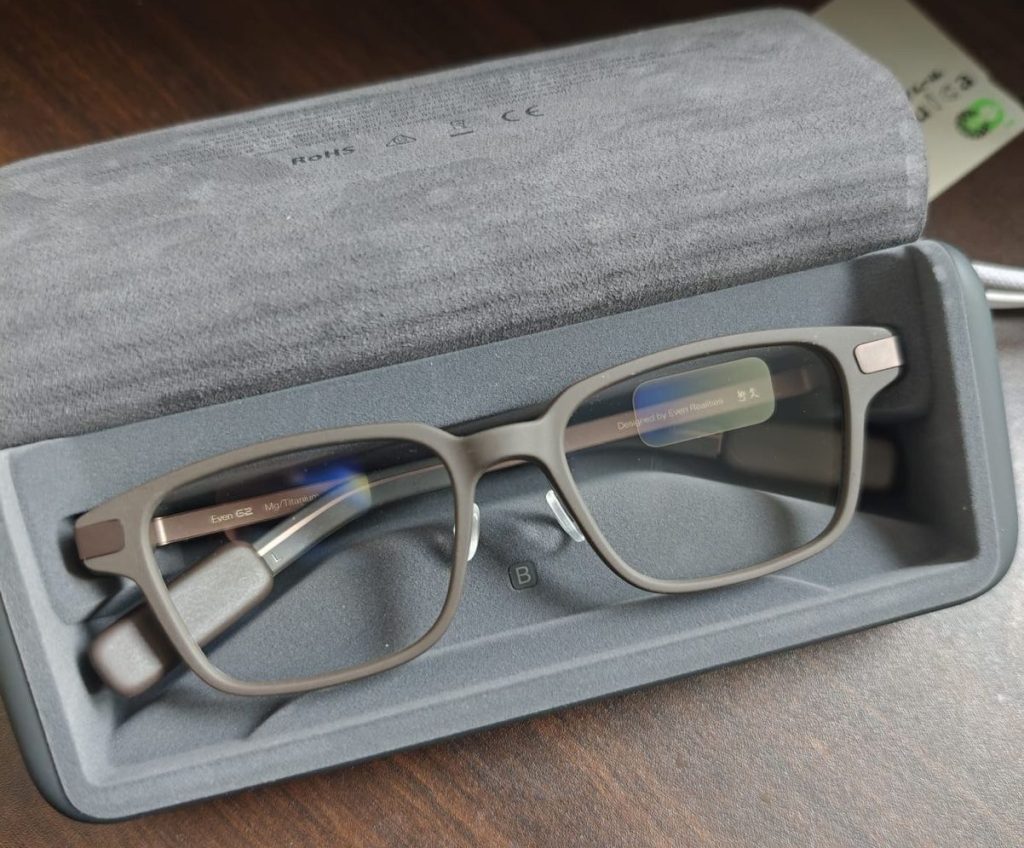 My pair of Even glasses
It works well for one-way translation but doesn’t do two-way conversation – you can understand what someone is saying, but you can’t reply, unless they’re wearing Even too, I suppose. I imagine it would genuinely help people who are hard of hearing, letting them read what’s being said.
I tried it as a teleprompter for a talk, and it felt wrong – I was reading instead of meeting my audience’s eyes. I tried navigating with it, but feared walking into a tree or a drain, a danger real enough already when you’re walking with your nose in a handheld device.
I switched on news notifications and found them distracting – headlines popping up in green before my eyes. It’s bad enough reading the litany of bad news these days without having it shoved into my face too.
As with all new gadgets, it’ll take getting used to. But I keep wondering: doesn’t this remove the need for real conversation between people of different cultures? Part of what makes travel fun is fumbling through a foreign language with a local – that’s how you actually get to know people, understand their customs. Smart glasses may optimise our time. Do they enrich our travels, or our lives?
In Odyssey, to get home, Odysseus is told he must give up control – surrender himself to the might of the ocean, Poseidon’s wrath, take a leap of faith. It runs against everything in his nature, a warrior used to leading armies, strategising, fighting. But he does it anyway. And it’s what finally gets him home to Ithaca, to his son and his wife.
Maybe that’s the leap being asked of us too – not away from optimisation, but through it, and out the other side.
Instinct can book the flight. It can find the table, translate the menu, clear the queue. What it can’t do is take the leap of faith for me – the one where I put down the glasses, get a little lost, and let a stranger’s directions be wrong in some interesting way.
We are, perhaps, facing our own Trojan War, one where the enemy isn’t hidden inside a horse but sits quietly in our pocket, on our wrist, over our eyes. The question isn’t whether we can optimise our way out of it. It’s whether we still remember how to row.