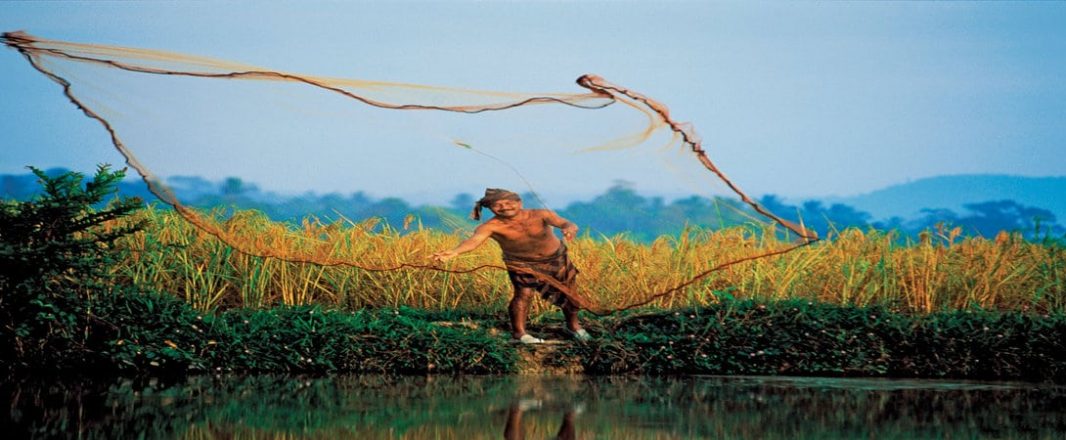

Most of the featured activities carry detailed descriptions, complete with colourful photos and description of how they help in improving the life of the local folks and in preserving the environment.
The site is user-friendly, easy to navigate and comprehensive. The home page shows, at a glance, what the site offers – from news around the region to a discovery map on the responsible tourism opportunities in the Mekong, links and contacts.
“The guide complements other guides, but offers a different angle. Each country profile focuses on cultural and natural heritage sites. The site also includes sections on what to do, where to stay, where to shop, and where to eat,” states the media release on the site.
This, I find to be true, as I check out some of the tours. They are interesting and different, with many rather off-the-beaten tracks, from the usual holiday destinations one find on travel agents’ sites.
 For example, in Vietnam I chanced upon the tour, Trek and stay with the Muong tribe (pictured right).
“Go trekking or biking through lush karst landscapes and stay overnight at Muong homestays in Ngoc Son Ngo Luong Nature Reserve. The area combines wonderful landscapes with traditional Muong villages, where you can rest and share daily activities with the local population.” – a description that certainly whets my appetite to go and do it.
Or the tour in Cambodia for bird lovers. Tantalising with the headline Not just for the birds, (pictured below) the experience is listed as “a must-see for bird watchers and nature lovers, genuine ecotourism tours deep in Cambodia’s northern protected flooded forests.”
it’s also interesting to learn the Sam Veasna Centre conducts the bird tours to six protected areas across Cambodia. Apart from coming up close and personal with some of Cambodia’s varied and unique wildlife, you are also encouraged to tour the local villages at the sites to gain an understanding of life in a remote forest community.
Two other useful features on the site are:
• Cultural and environmental tips, which are unique to the people and cultures of the countries featured.
• Google maps, which allow you to browse a town or province for responsible activities so they know where to go. The map icons show exact locations for active tours, homestays, nature discoveries, art and culture venues, body and mind healing services, as well as places to stay, eat and shop.
 The guide is an extension to the Mekong Tourism Coordinating Office (MTCO) marketing website, Explore Mekong, which is for consumers and travel agents seeking information and ideas for visiting the Mekong region.
Only responsible tourism operators and suppliers have been included in the website, said MTCO, and the profiles of 20 responsible operators are included. (You can check the selection process for inclusion on the site).
“The e-guide profiles a wide range of operators and suppliers who are committed to making the Mekong region a better place for inhabitants to live in and for tourists to visit,” said Christine Jacquemin, project coordinator of MTCO, which produced the guide with French government support.
The MTCO hopes the e-guide will achieve its two objectives. One, to boost demand for the many responsible businesses in the Mekong region that now cater to all budgets and types of holidaymakers. Two, to foster more responsible tourism practices among travellers and the travel industry.
The guide does not provide online bookings for the tours, but it has listed contact information for each activity. Each entry has a comment zone where you can share you opinions and questions before, during or after the experience.
MTCO is currently developing a downloadable PDF version of the site. In the pipeline are booklets for each country in PDF, which can be printed out as a book, a version of the website for mobile devices, and a French language version.
Verdict: Great website, which is both educational and informative, not just for travellers but also for tour operators to help them create new and unique packages and, in the process, help preserve the environment and improve the livelihood of the local communities.