
“Do you mind? I just have to respond to this,” said Richard Quest as I prepared to sit down and ask him my first question.
So I waited. It’s not an unusual occurrence these days – for face-to-face meetings to be interrupted by phone calls and instant messages. It seems to be the thing to do. At lunch with a girlfriend today, her phone rang at least four times and it’s a strange feeling, eavesdropping on other people’s conversations in front of them.
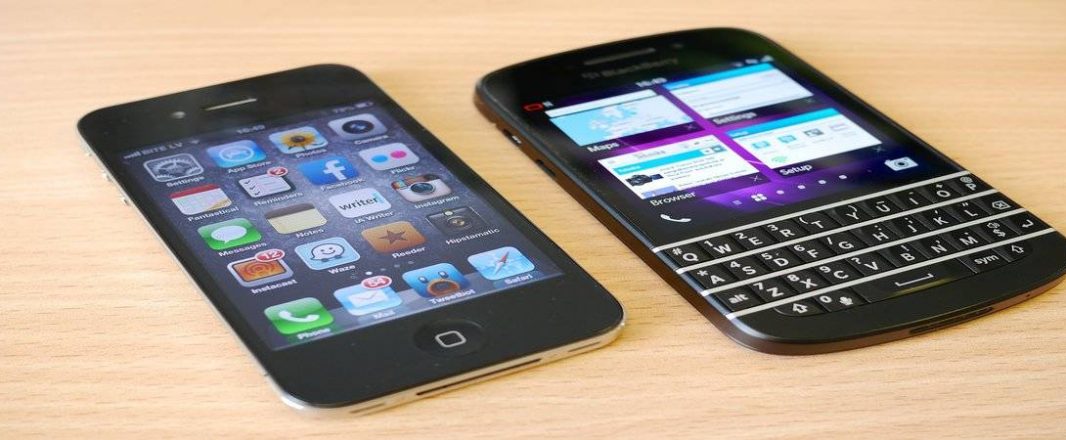
“Sorry,” said Quest as he put down his iPhone next to his Blackberry.
“Can you live without your devices?” I asked the television personality behind Quest Means Business and CNN Business Traveller Show.
“No. I could live with just one though,” he said, recalling a week when the o2 network was down for 36 hours in the UK and he survived, he declared proudly.
As a traveller, he embraces all the technology that’s enabled him to become more efficient and effective on the road and in business.
“You know what I did the other day in London? I knew exactly where I was in the building and where I was going but because I could, I used my smartphone to tell me the quickest way to get there,” he said.
“I am also proud of myself and how I can manage the iPhone and use it to its full potential (well nearly) as well as a 25-year-old can. I am also proud of how I can use the iPad more effectively and efficiently than any young person who is usually playing games on it.
“The days when my late father would be looking over his glasses and fiddling with the video remote control – you know the old joke, there’s a 50-year-old in the house when the clock is flashing away – well, I am damned if I am going to give up technology and go that way.”
But even as he embraces it, he is aware of the dangers of becoming too dependent on technology. “The danger is if too much travel is vicarious through technology, and the spirit of adventure is lost.”
The other danger is what he calls “the mass stupefaction of content” on the web. “The level of mediocrity of content is phenomenal – badly written, poorly researched articles and poor websites.”
Some though are brilliant. He likes TripAdvisor because he says it “gives a real feeling of the hotel”. He uses Kayak to search for prices and Expedia to book.
“I still love finding that cheap flight,” he says. Last month, he had to fly from London to Beijing and he found a British Airways’ flight for about £4,000. “Then somewhere nestled in the GDS was a Swissair flight over Zurich for £1,900. I still get a big rush out of that – finding a loophole and beating the system.”
Asked if he had tried any of the trip planning or social travel planning sites, he dismissed them, saying he hadn’t found any personal value out of those. And as for tools which allow you to sit next to friends on flights, he said, “I want to sit next to a stranger. I want to be bored or horrified by the person sitting next to me. Life is too short for such predictability.”
On the other hand, he said for an app to be useful, it has to be targeted to personal needs. “Time is too short for general random-ness. Say I want to find the best restaurant in Singapore, I wouldn’t go to a website and search before the trip but I’d only want to find out when I arrive at the destination and anyway, I’d ask the hotel concierge.”
Or when he was in Madrid recently and used the CityMaps app to locate a hotel in the city.
Quest was in Singapore as part of a series of programmes he’s doing on how cities are responding to global challenges with innovation one of the core themes.
To him, innovation is coming up with something that’s needed and serves a need. “In its first manifestation, it need not be but the core of it is.”
He recalled a recent interview when he asked an entrepreneur when he knew his idea was going to work and he said, “Right at the beginning. I knew it had legs. I think you know from the start if an idea is going to work.”
Asked which was the last innovation by airlines, Quest first said “flat beds” and then added, low cost airlines because they were game-changers.
He had a tougher time answering that question about hotels. “They remain lagging in innovation and the fundamentals have remained the same. Hotels are desperate to try and unlock the reservoir of material that comes from social media and what customers want.
“In order to give us what we want, they have to understand what we want,” he said.
So what does he want? “Clear the minibar out, give me protein shakes and protein bars, a jogging map, gym times with an option for a trainer, know when I want a wake-up call, know what newspapers I want, I always want a late check-out and because I am into health and wellness, the chef knows he has to prepare a healthy breakfast for me without me having to ask for it three times.”
In his hotel in Singapore, he recalled the last time he stayed, he moved the writing desk to the window so he could work with natural light. This time round, the desk was by the window when he checked in.
With personal profiles so readily available, he believes it is possible for hotels to get the bespoke services right and be personal with frequent, valued customers like himself. (Of course, he acknowledges he’s not the typical customer – he is after all Richard Quest and has a face and voice that’s recognised everywhere and a hotel would be rather dense not to get it right with him.)
The challenge is understanding how to cater to the next generation of customers – the millenials – and offering services that resonate with their values. The company that knows how to do it will triumph, says Quest.
But first, please, he says, fix the Internet issue. “I can’t believe hotels are still charging for that. I like the Four Seasons policy of giving you free access up to a level and then charging for premium service. And at Four Seasons in Budapest, there was a dock on the table with eight cables so all you had to do was plug in your devices.”
As we were sitting at the Shangri-La for this interview, I told him Shangri-La offered free wifi across the group and had been doing so for the last couple of years. Wasn’t that better than still charging? “Well, yes, they made a decision and a good one.”
So how does he personally stay ahead in the media game with so much disruption and change in the profession? “A combination of personal experience and not being afraid to be honest and authentic.”
And given that he’s always pressed for time – I had to ask this last question as we were striding out of the room – what would he do if he had extra hours in a day? “When I’m on my deathbed, I don’t think I’ll say, I wished I had spent more time writing that article. I’d say, I wish I had seen the sunset over such and such.”
A nano-second later, he added, “I am a liar and a hypocrite. I probably wouldn’t do any of that. I’d probably do everything I am doing now.”