Tours & activities is an interesting space. Other than attracting a lot of attention from investors, it also provides insights into the destinations favoured by travellers, what they like to do while in a destination and how they book these activities and experiences. In this second column, Graham Hills, chief commercial officer, BeMyGuest, one of Asia’s fastest growing tours & activities platforms, shares insights gleaned from its data to shed light on its top selling destinations in Asia. This week’s spotlight is on Bali.

Graham Hills: Demand for attractions, tours and activities on Bali is led by Indonesia, followed by China and South Korea.
Over 17 million tourists are forecast to seek out the unique tropical bliss of Indonesia’s island resort of Bali this year, according to Indonesia’s tourism ministry. Internationally, Australians have had a long love affair with Bali, China has managed to bump up visitor arrivals and, more recently, Indian travellers edged out those figures even further becoming the fourth largest source market at the end of last year.
Travellers from the Middle East who spend big on the island, around US$1,700 per visit compared to US$1,100 for Chinese visitors, have increasingly sought out Bali as a family or couples retreat, thanks to direct flights from Dubai with Emirates and via Doha with Qatar.
However, the rise in Middle East visitors has not slowed Indonesia’s tourism marketing efforts, which steadfastly nurture the Chinese connection and are now implementing marketing campaigns to target wealthier Chinese travellers.
The island, however, has some of its strongest visitation domestically – from a highly committed Indonesian market that enjoys short flight times, economical airfares and a versatile choice of budget-friendly accommodation.
According to BeMyGuest’s data, demand for attractions, tours and activities on Bali is led by Indonesia, followed by China and South Korea. The island enjoys a variety of peak periods due to a number of regular source markets: Lebaran in Indonesia (mid-June), European summer (June to August), Australian school holidays (Christmas, Easter, June and September) that help to support a fairly consistent influx of visitors.
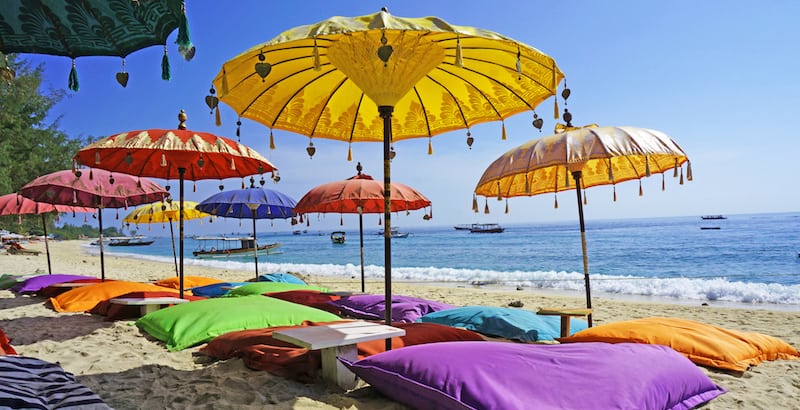
Many tourists go to Bali to enjoy its sun, sand and and surf. (Image credit: LiveLifeTraveling/iStock-Getty Images)
In spite of some challenges, including the awakening of the island’s infamous volcano and recent earthquakes in neighbouring Lombok, local tourism operators tend to bounce back with enviable resilience, making swift recovery after airport closures. There is also no slowing of new hotel and resort openings on the famed Seminyak strip, Nusa Dua and, increasingly, Bali’s east coast in Sanur.
Apart from a perfectly positioned sunbed and a good book, Bali’s attractions, tours and activities play a significant role in its tourism industry. While the idyllic resort-style retreat is still popular, Bali’s authentic cultural heritage and water-based activities remain a strong pull for visitors, but the business of fixed attractions is growing too.
The top 3s, based on pax:
Top 3 attractions
- Waterbom Bali
- Bali Bird Park
- Elephant Safari Park
Top 3 tours and activities
- Surfing lessons
- Dinner Cruise
- Barong Dance Show
The Bali Hop On Hop Off Bus tour is also extremely popular with visitors, providing the opportunity for guests to explore many of the island’s major points of interest with flexibility.
Top 3 markets for Bali
- Indonesia (domestic)
- China
- South Korea

The Bali Bird Park is a top tourist attraction. (Image credit: Bali Bird Park)
As with many Southeast Asian operators traditional networks of offline travel agents and wholesalers remain strong, but the desire to make a shift to digital operations and hence grow their online network is becoming more apparent.
Some of BeMyGuest’s suppliers in Bali acknowledge that they are stuck between managing their manual day-to-day operations and finding less time to focus on strategic approaches to target not only their source markets but to expand to new markets, especially within Southeast Asia, which holds untapped potential for them. For many, human resource retention is also a challenge where the majority of locals seek longer term career paths within the hotel industry.
While Bali is an established tourism destination these operators struggle to efficiently market their individual products to a wider audience.
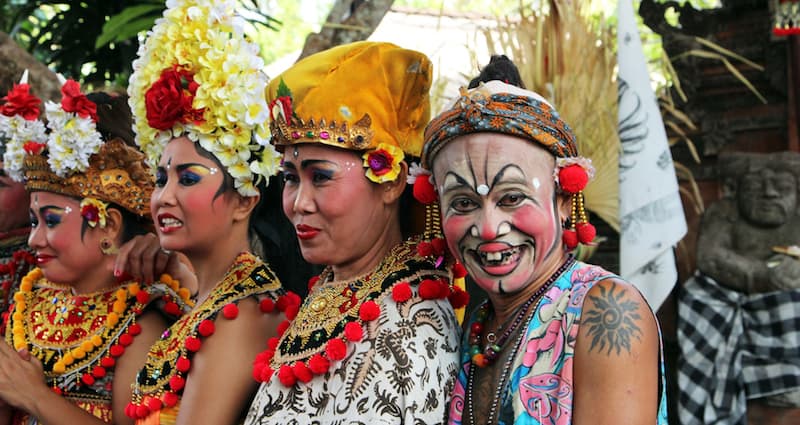
Bali’s rich culture, like the colourful Barong ceremony, is one of the island’s tourism asset. (Image credit: iStock)
Bali’s appeal is diverse, which means there is ample room for the smallest tour operators to comfortably co-exist with large attractions as each offers a unique local experience. Larger attractions are rapidly adopting new technology to resolve their resource and capacity management. The SMEs are equally open to use technology as they eagerly scale their business and acknowledge the opportunities online.
Overall, Indonesia has embraced technological innovation over the past decade, developing online business practice faster than some of its regional neighbours.
The country’s innovative spirit is high and growing, as Indonesians are passionate social media engagers, and among the fastest adopters of online shopping. As a result, operators of attractions, tours and activities are increasingly incorporating online strategies and technology to manage their operations and scale their businesses further.
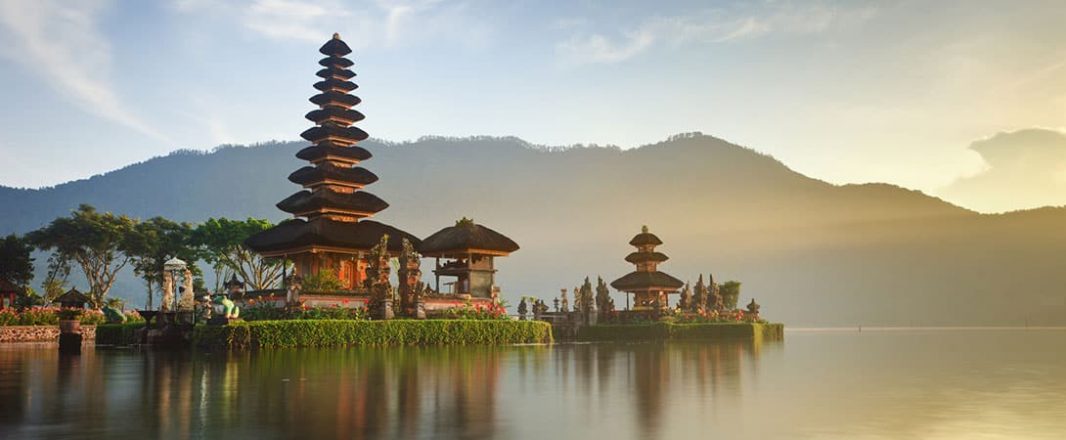
• Featured image (Ulun Danu hindu temple on Bali’s Lake Beratan) credit: HonzaHruby/iStock-Getty Images