.gif)
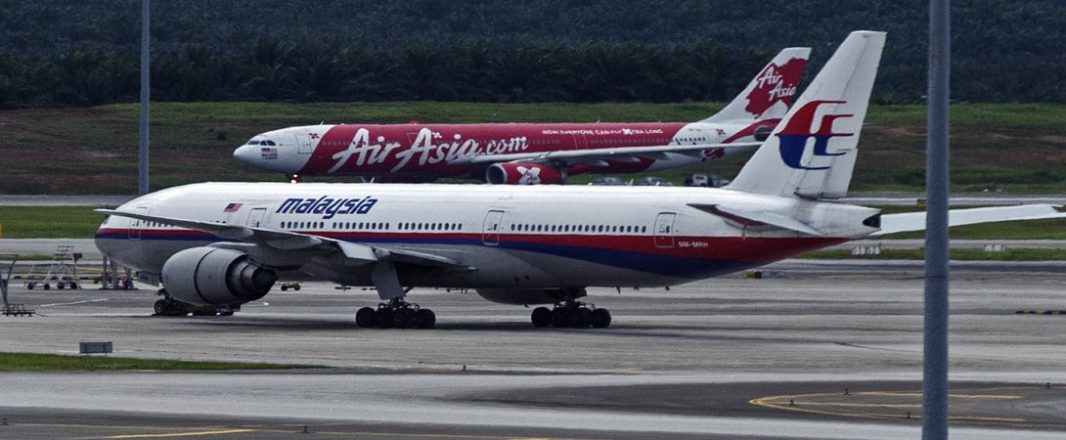
The national carrier inked a Re-accommodation Agreement (RA) with AirAsia X on March 27, under which it utilise execess capacity on its flights to ferry the passengers and, at the same time, “generate additional revenues”.
Both economy and premium class passengers with confirmed AirAsia X tickets issued before January 13 to the four routes will be transferred to MAS. The flight transfers will be between March 28 and October 27 this year.
The RA was also in response to AirAsia X’s request for MAS’ assistance to re-accommodate their passengers through such an agreement.
MAS has, in the past, upon request and on an ad-hoc basis, provided uplift and re-accommodation of passengers of other airlines including AirAsia X in line with normal industry practice.
The national carrier denied that the deal would be unfavourable, reiterating it would benefit in higher passenger numbers on its flights, which would be incremental to its normal load patterns.
“The related revenue from this arrangement is pure incremental revenue for the airline and would significantly contribute to its profitability.”
MAS will receive upfront cash payments or pre-payments on tickets for the re-accommodated passengers before departure.
The RA comes amid allegations that MAS’ huge financial losses could be “a result of carrying AirAsia X passengers for ‘almost’ free.”
MAS has refuted such reports as “unfounded and untrue.”
.gif) AirAsia X’s chief executive officer Azran Osman-Rani, In a recent interview with WIT, has also dismissed the allegations as such (read story).
AirAsia X’s chief executive officer Azran Osman-Rani, In a recent interview with WIT, has also dismissed the allegations as such (read story).
The longhaul budget airline had, in January, announced the suspension of flights to London, Paris, Delhi and Mumbai due to mounting losses and continual rising fuel prices. The airline is also stopping flights to and from Christchurch by end May.
In a related development, AirAsia X’s non-executive chairman Tan Sri Rafidah Aziz defended the share swap deal between Malaysia Airlines and AirAsia in the face of strong opposition from unions and associations representing MAS employees and dissatisfaction among the public.
She said the two airlines would not have agreed to it “if there was no mutual benefit.”
Tan Sri Rafidah also said that MAS’ annual net loss was not because of the share swap deal, which was sealed in August last year.
“MAS has been making losses from some time back and it is not because of the share swap.”
The national flag carrier, which reported its highest-ever annual net loss of RM2.52 billion, cited increases in fuel price as the main reason for its running into the red.
Khazanah, the investment arm of the Malaysian government, and Tune Air, AirAsia Group’s holding company, agreed to the share swap last August for an alliance between MAS and AirAsia, which will see both airlines cooperating instead of competing through an alignment of routes.