
Frequent flyer programmes (FFPs) and how they are now more revenue aware is the subject of a new report in the ‘2017 thought leadership series on revenue and loyalty from CarTrawler.
Produced as a joint initiative with IdeaWorksCompany, Cash is King: Revenue Now Rules Frequent Flyer Programme Accrual, researches on the accrual and reward methods of the world’s largest 25 airlines and their FPPs, and assesses how they are looking at revenue in the distribution of miles, points, and rewards to their members.
When FPPs were introduced in the 1980s they were unlinked to revenue. The original programmes did not reward big spenders, but recognised members by distance travelled regardless of the fare paid.
The addition of mileage-earning credit cards forced the airlines to better consider the financial implications. And now 35 years later, revenue influences every aspect of a FPP.
“Airlines began to tinker with accrual and reward mechanisms. While ‘miles’ remained a de facto currency, airlines provided a mileage boost for first and business class fares. Fare multipliers have been applied to the entire spectrum of fares; discounted economy fares often earn less than the actual miles flown. In addition, bonuses appeared as a benefit for elite level programme members,” states the report.

Revenue now influences every aspect of a FPP. (Image credit: ZinaidaSopina/iStock)
Four of the largest programmes in the world – American, Delta, Southwest and United – have embraced this new world order and are now using revenue based accrual.
Some key takeaways from the report:
- 22 of 25 airlines use the type of fare purchased by the consumer to help determine the final tally of a member’s mileage or point total; distance flown thus has lost much of its relevance.
- American, Delta and United are unique because these carriers base mileage accrual on a combination of the price of a ticket and the member’s elite status.
- In a single market comparison (Chicago-Frankfurt) of distinctly different accrual methods, United Mileage Plus offered 36% to 286% more miles than Lufthansa Miles & More for economy and business class travel.
- Only JetBlue, Qantas and Southwest use the cash fare level to determine reward prices in points or miles, while other airlines rely upon methods largely linked to distance flown.
IdeaWorksCompany ends the report by suggesting airlines should design an FFP that meets their strategic need.
It cited examples of how revenue driven low cost carriers are.
“Low cost carriers have less tenure in the loyalty business and have traditionally introduced programmess that rely upon revenue based methods for accrual and reward redemption from the very start.”
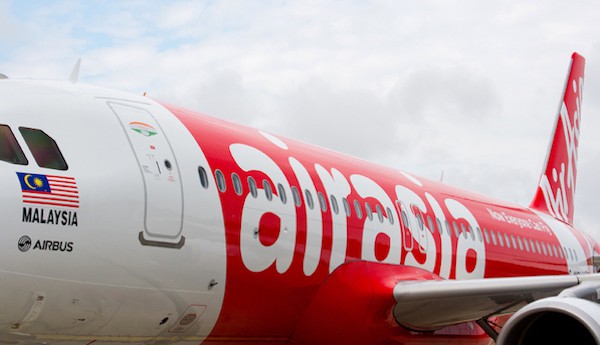
Low cost carriers like AirAsia are revenue driven. (Image credit: AirAsia)
AerLingus, AirAsia, Azul, Cebu Pacific, Frontier, Pegasus, Norwegian, Spring Airlines, and WestJet are named as LCCs whose reliance on revenue is a normal practice:
“As is their habit, these airlines have consciously avoided the FFP model established by network airlines. Instead, they built their programs on a design long relied upon by retailers, such as delivering a loyalty point for every dollar, euro, or rupee spent on coffee, groceries, and petrol.”
IdeaWorksCompany recommends that airlines find their “sweet spot.”
“Design products based upon your strengths, your competitor’s weaknesses, and strong customer need. Regardless of what your competitors may do, your FFP should strive to find its sweet spot.”
• Featured image credit: cherezoff/iStock