“The times they are a-changin” in the words of Bob Dylan best describe the changing needs and demands of travellers in today’s tech savvy world. Many companies are pivoting and adopting new technologies to keep in step with the ‘always on, always on demand’ consumers.
The hospitality industry is perhaps on the forefront to meet these changes, as it “is always reinventing itself, constantly adapting to the changing expectations of travellers,” said Clinton Anderson, president of Sabre Hospitality Solutions.
“As a result, digital transformation has become a rising priority for hoteliers due to its ability to generate more targeted, personalised offers. Ultimately, shifts in how individuals interact with technology, brands and even space translate directly into new, untapped opportunities for hoteliers,” he added.
Anderson was commenting on the release of a study by Sabre Corporation, which reveals the top consumer trends that will shape the hospitality industry in 2019 and beyond.
The report, produced in partnership with global consumer trends and insights firm TrendWatching, focuses on how these consumer driven trends are impacting hospitality in all parts of the world.
Here are some key trends:
Virtual companions
(Image credit: AndreyPopov/ Getty Images)
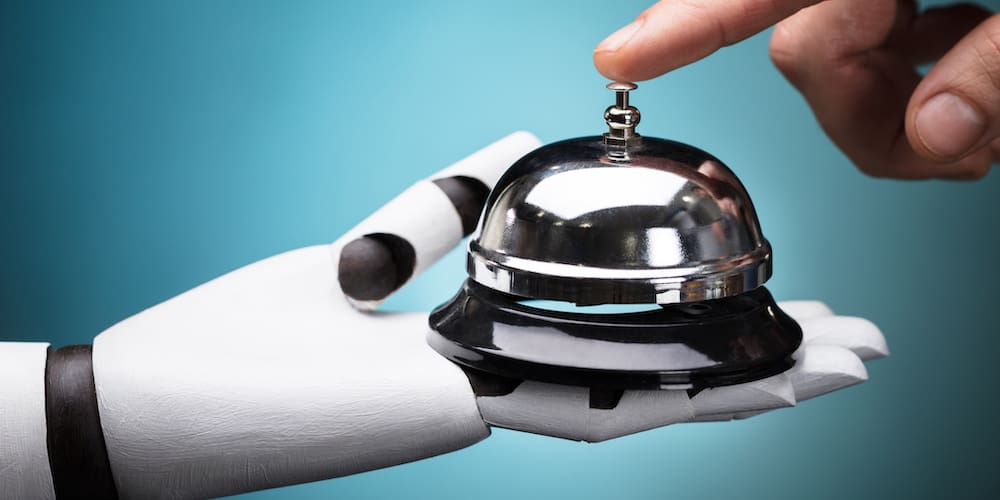
While time-pressed travellers may wish to avoid other people during their stay, others will welcome companionship – even in virtual form. Travellers accustomed to digital assistants, chatbots and more will look to the next evolution of artificial intelligence. They will seek out virtual personalities that have the power to entertain, educate and befriend. The presence of virtual digital assistants has grown incrementally since 2011, and shows no sign of stopping.
Breaking bricks and mortar
Traditional brick and mortar retailers are expanding into hospitality, building immersive brand experiences for their customers and providing an entirely new breed of competition for traditional players while delighting loyal fans. Social media feeds have become saturated with picture-perfect travel snapshots of branded lifestyles, resulting in consumers having ever-higher standards when shopping. Brands hold the capacity of reaching overstimulated customers by launching unique partnerships to cut through the noise, in unexpected locations.
Magic point-of-sale
(Image credit: hakule Getty Images)
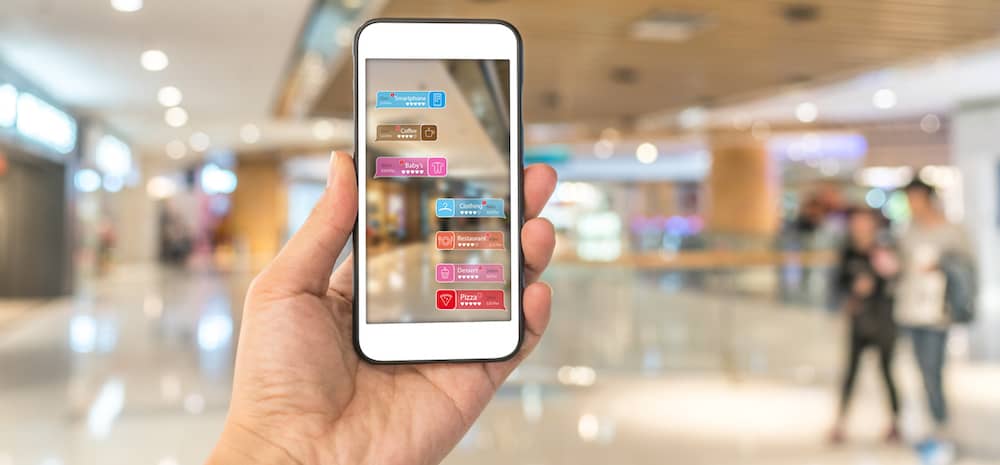
Using their devices to summon a “magic point-of-sale” travellers can engage with establishments, browse products, test and purchase in innovative new ways. Smart brands are using technology to gain rich data on consumer preferences and habits, and are leveraging innovative channels like these to reach them in the right place, at the right time. Globally, the augmented reality (AR) market hit US$1.1 billion in 2018, and is expected to reach US$7.9 billion by 2023. The maturing of virtual reality (VR) and AR revolutionises how and where consumers shop and engage with brands.
New workforce
The proliferation of on-demand services and co-working environments are transforming expectations around work and travel. A growing cohort of professionals are making travel their main priority by becoming digital nomads. The explosion in gig economy and freelancing platforms indicate that consumers are embracing alternative lifestyles that don’t tie them down to a specific company, location, or even daily schedule.
• Featured image credit: noipornpan/Getty Images