Giving the industry a leg up and making the region even more attractive to cruise lines is ASEAN member countries’ commitment to upgrade cruise infrastructure to meet with this demand.

One of the major development that caters to the growing number of ships is the 28,000sqm Marina Bay Cruise Centre Singapore (pictured above), which began operations in May this year. It can accommodate the world’s largest cruise ships and handle 6,800 passengers at one time. It operates in tandem with the Singapore Cruise Centre (pictured below left), which recently completed a US$11 million rejuvenation programme.
In Indonesia facilities at the port of Benoa in Bali are being expanded and upgraded. About 200 cruise ships will visit Indonesian ports this year, up from 100 ten years ago.
 Sepang in Malaysia, Subic in the Philippines, Benoa in Bali, Indonesia and Singapore are also being developed or upgraded to accommodate more cruise lines.
An added boost is support from ASEAN tourism ministers who have pledged to help in the sector’s expansion. They are planning to tap into this market by launching “ASEAN for ASEAN” cruise promotions.
“The cruise boom in ASEAN is only just beginning,” said Dato’ Dr Ong Hong Peng, secretary general in Malaysia’s Ministry of Tourism and chairman of the ASEAN Product Development Working Group.
“Building the human resources, knowledge and marketing skills for the cruise industry as well as the physical infrastructure is our new challenge,” he added.
At the ASEAN tourism ministers’ meeting in Manado, Indonesia in January the ministers pledged to further develop the cruise industry by supporting workshops, strengthening collaboration in joint marketing efforts, encouraging port infrastructure developments and developing new cruise itineraries along three cruise corridors – the Malacca Straits, Karimata Strait/Java Sea/Flores Sea, and South China Sea/Gulf of Thailand.
Both Indonesia and Vietnam have held workshops that share best practices, develop regional itineraries, strengthen collaboration on port infrastructure expansion, as well as way to accelerate development.
.gif) Another factor in ASEAN’s favour is its many natural attributes, which favour cruise development. There are more than 25,000 islands in the region compared to about 7,000 in the Caribbean.
Another factor in ASEAN’s favour is its many natural attributes, which favour cruise development. There are more than 25,000 islands in the region compared to about 7,000 in the Caribbean.
Royal Caribbean Cruises is one of the companies, which is sending an “unprecedented number and size of its ships” to the region. Its managing director for China and Asia, Dr Liu Zinan (pictured right), said the improvements in cruise across ASEAN was a significant boost to the region’s cruise industry.
“With more developed ports here, which are essential for growing cruise markets and attractive itineraries, more international cruise operators like us will be drawn to ASEAN,” he said.
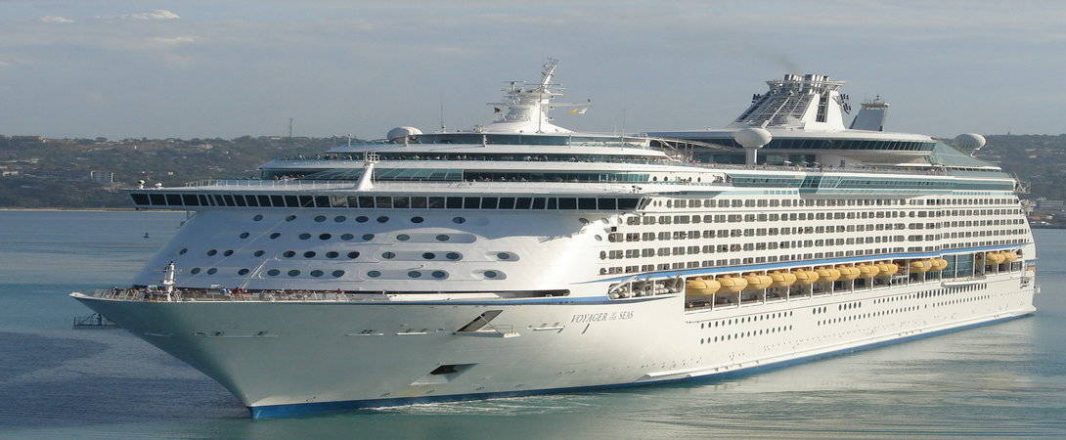
Major cruise lines that have increased their presence in Southeast Asia or have sent larger ships on maiden calls to Singapore this year include Costa Cruises’ Costa Deliziosa and Royal Caribbean’s 31m,137,276-ton, 14-passenger deck Voyager of the Seas, the largest cruise ship ever to homeport in Asia.
Royal Caribbean’s Celebrity Millennium will homeport in Singapore this year. The company’sMariner of the Seas, which is similar in size to Voyager of the Seas, will also homeport there from 2013.
Star Cruises and Costa, which also homeport out of Singapore, offer sailings to Kuala Lumpur, Langkawi, Redang, Penang and Malacca. Among other port in ASEAN are Bangkok, Phuket and Koh Samui in Thailandi; Bali and Komodo Islands in Indonesia; and Ho Chi Minh, Danang and Ha Long Bay,in Vietnam.
ASEAN has many natural attributes, which favour cruise development, including more than 25,000 islands compared to about 7,000 in the Caribbean.
• Photo of Marina Bay Cruise Centre Singapore courtesy Truong Quoc Viet, RSP Architects Planners and Engineers