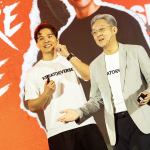
For 15 years, Theo Panagiotoulias (pictured below) worked on the airline side of the fence, spending most of his career with American Airlines. Then earlier this year, he switched to the supplier side, joining Sabre Airlines Solutions as its vice president for Asia Pacific.
.gif) Why the jump over the fence, I asked?
Why the jump over the fence, I asked?
“Airlines are facing very interesting challenges right now and they require different solutions. This allows me to be part of a business than can add value to helping airlines meet these challenges.
“The point is, we don’t survive unless we enable airlines to succeed and being a driven person, I am excited to be part of the solution to the significant challenges being faced by airlines.”
So what are the new challenges being faced by airlines that weren’t there before?
“Some of the challenges that existed before are more permanent now, for example, fuel costs which spiked several years ago and remain stubbornly high. We don’t expect much change there and it’s now the highest or second highest portion of costs – about 30% – and there’s no short-term relief in sight.
“So we have to deliver solutions that address this problem head-on such as helping them with flight planning, optimizing their earnings, network planning and flying the most efficient, direct routes. The investment is minimal but the savings substantial, in some cases, enabling significant cost reductions of 5-8%.”
The other challenge is “capacity discipline”. Asia Pacific is seeing the strongest passenger growth globally, fuelled by the rapid growth in low cost airlines, and the dynamics between supply and demand are never easy to balance.
“You want to compete, yet you don’t want to add too much supply, especially with passenger demand fluctuating at the moment due to the global economic uncertainties.
“Growth is moderating right now and it’s challenging for airlines to forecast where it’s going to go. So you need forecasting tools that can help you optimize in an uncertain environment.”
What’s also new is a traveller who is demanding and wants to be in control. “Customer expectations are high in terms of ease, convenience and mobile technology and keeping up with those within the complexity of airline operations can be challenging. What was innovative becomes expected very quickly – remember online check-in, which was pretty revolutionary at the time? Now everyone expects it.
“We need to work with our airline customers on the overall experience from the point of booking to arrival to meet the new expectations of travellers.”
The ability of an airline to merchandise and personalise the ancillary offering is thus critical, and Panagiotoulias said Sabre would be launching solutions shortly that would allow airlines “to personalize the customer experience as much as possible with as many options as possible”.
Different airlines are experimenting with ancillaries in different ways. AirAsia and Jetstar, he noted, were seeing good traction with their ancillary sales.
Singapore Airlines is selling preferred seats. “Unbundling may not be for them but they have started focusing on certain aspects. The important thing is to do a thorough analysis of where the opportunities are and what different customers want.”
Asked what he felt was the single biggest innovation in aviation the last five years, he said, “Giving customers control of their travel destiny. Time is so important now and the web and mobile have been the biggest game changers, allowing customers to book, check-in, buy certain ancillaries when and where they want to purchase. It’s a dynamic time in the airline industry – an exciting time to be a significant part of improving the travel experience.