Hospitality CEOs on brand loyalty, tech investments and cybersecurity risks
The Global Hotel Alliance (GHA) has been able to save up to $70m in commissions payouts to third parties since it built its direct booking platform, said Christopher Hartley, CEO of the world’s largest alliance of independent hotel brands, with 800 hotels across 40 brands in 100 countries.
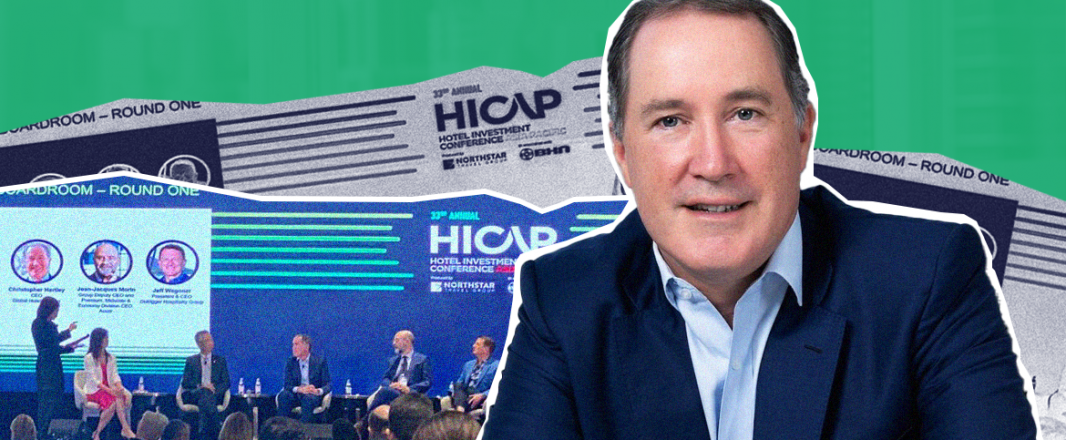
Speaking at a panel at HICAP, the hotel investment conference in Singapore this week, Hartley, who had cited tech investments as his top priority, said each year, GHA hotels paid about $400m in commissions and its investments in building an integrated platform has paid dividends in driving direct bookings.
The complexity of integrating so many different properties into one platform cannot be underestimated but clearly, the investment by the independent hotel brands in the GHA alliance is strategic and aimed at building customer loyalty through the GHA Discovery programme – the only way for these brands to compete with the loyalty programmes of the giant brands.
According to this article by hospitality and tech consultant, Max Starkov, each year, the hotel industry pays $50b in commissions and markups and he argued that “the issue is that the OTAs are now taking over bigger and bigger percentages of the property’s traditional feeder markets and customer segments, taking advantage of hoteliers’ systemic underinvestments in technology, digital marketing and talent”.
Citing his own research done over 20 years, he concluded, “The average cost of direct online bookings was consistently 4.25%-4.5%. Compare this to the average OTA commissions/markups of 25% and above.”
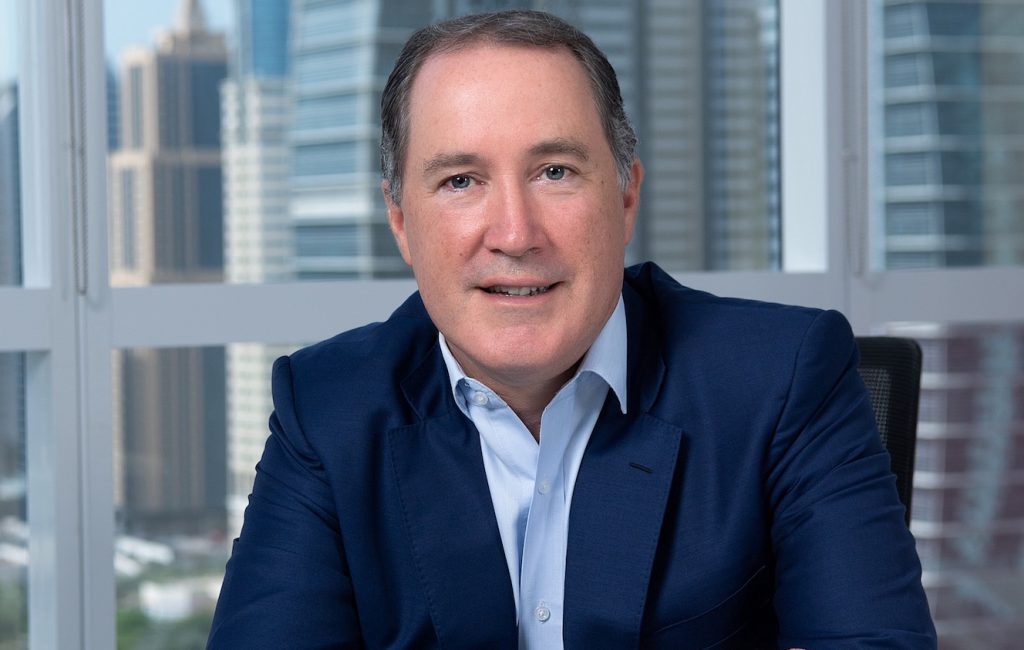
Christopher Hartley: Will invest in building a direct relationship with the customer.
Hartley said if he had the money – I gave the panelists a ballpark figure of $100 million – to spend, he’d spend it on building a direct relationship with the customer and win customer loyalty, “to let the customer who they are staying with, who’s looking after them and who has the relationship with them”.
GHA meanwhile this week released numbers which showed that its 2023 room revenues, room nights and total domestic and international stays year-to-date (YTD) were all consistently higher than its previous best year, 2019.
Robust Q3 results are proving a major contributor to GHA’s 2023 gains, with hotel revenues 41% higher than in Q3 2022 and room nights up 31% year-on-year for Q3. The total revenue 2023 YTD has hit US$1.7 billion, which is 101% higher than in 2022 YTD.
Enrolments in its GHA Discovery programme grew 46% in Q3 versus Q3 2022 and total membership has topped the 25 million mark during the period.
“It’s been a remarkable year for GHA, with all key performance indicators peaking in Q3, buoyed by incredible summer demand in every key market where our hotel brands operate,” said Hartley.
The top three countries driving 2023 room revenue gains YTD are Spain, Thailand and Italy, with Singapore and the UAE coming in a close fourth and fifth, reflecting the portfolio strength and popularity of GHA hotel brand properties in these markets.
Breaking it down by hotels generating the highest revenue from stays made by members of the GHA DISCOVERY loyalty programme in Q3: Sugar Beach, A Viceroy Resort in St. Lucia, topped the rankings, followed by two Singapore properties – PARKROYAL COLLECTION Pickering and PARKROYAL Collection Marina Bay, respectively.
These two properties also ranked in the top three for total room night stays made by members in Q3, with the Marina Bay property ranking first and Pickering hotel taking the third slot. The Leela Ambience Gurugram Hotel & Residences, just outside of Delhi, India, was the second most popular property with GHA DISCOVERY members in terms of total room nights.
Accor’s Group Deputy CEO and Premium, Midscale & Economy Division CEO, Jean-Jacques Morin said he’d spend the money to “put the brand at the centre of the game with the customer”. “How do we build brand stickiness, and not outsource the relationship,” he said.
CEO of Pan Pacific Hotels Group, Choe Peng Sum, said he’d spend the $100 million on the niche segment and experiences. “This is what travellers want and it’s where a group like us can excel.”
Beh Siew Kim, chief financial and sustainability officer, CapitaLand said she’d bet it all on experiences. “We are in the experience economy and consumers want experiences,” she said.
She noted that it was a truly exciting moment for hospitality with the advent of generative AI. “And it’s only just beginning, what it can do to transform our business is exciting.”
Beh noted that many companies are adopting AI technologies to streamline processes, improve decision-making, enhance customer experiences, and gain a competitive edge and “there is a need to know the risks, opportunities and strategic implications of AI implementation on business”.
At the same time, with increased digitisation, hospitality CEOs are concerned about risks and cybersecurity. Said Beh, “With the increasing number of cybersecurity threats and the potential impact on business operations, data privacy, and reputation, boards have a responsibility to ensure that their organization is adequately protected.”
Choe noted that the hotel industry collects incredibly private data and it is important we keep it safe. “As we migrate to the cloud, it also makes us more vulnerable and there are data breaches almost everyday now,” he said.
Beh said there needed to be a balance between increasing checks and the digital user experience. “How do we keep it user friendly and safe?”