
“So either we were bad in forecasting or we grew faster than we expected but we have outgrown our current office,” he laughed.
When it opened its office in Singapore last September, the Edinburgh-based travel search site had budgeted to recruit 10 team members by year end but now is looking at 14-16 people.
“We accelerated our growth into a couple more markets than we had planned,” he said.
Across Asia Pacific, he said, Skyscanner had seen 92% growth in visits to its sites – covering Indonesia, Philippines, Singapore, China, Hong Kong, Australia, New Zealand and India.
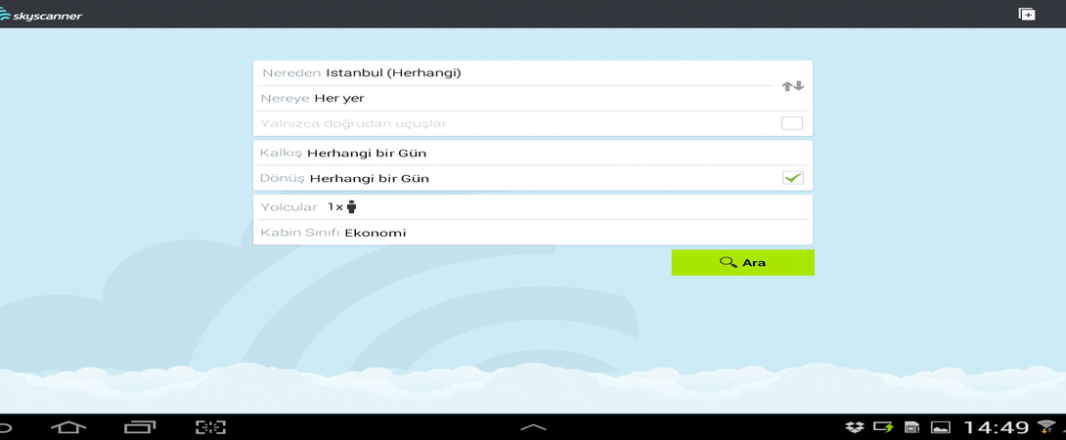
Traffic from mobile is growing and globally, accounts for 30% of traffic. In markets in Asia though, the share is higher, for example, reaching 50% in places like Singapore, Korea and Japan.
“Mobile is no longer a trend but part and parcel of business. It’s not about getting returns – it doesn’t convert as highly as on the website but still converts.”
On lessons learnt since opening in the region, Gray said, “We did a lot of groundwork prior to coming here but I wished we had done more. For the first six to eight weeks, we did a lot of localization work to our websites, but perhaps we could have done more before we arrived.
“We clearly didn’t get a big enough office. Rentals are expensive in Singapore but it would have been cheaper if we had gotten the right size office from the beginning.”
On recruitment of staff, Gray said that Skyscanner, being based in Edinburgh, had always found it more challenging to recruit than companies based in say, London. “We haven’t found it more difficult here than in Edinburgh. The skill sets are high here and equal and even better than what we have recruited at home.”
There are seven nationalities represented across the 10 people and the company is recruiting for Japan, Malaysia and Thailand later in the year.
Gray said that the prospect of Google ITA going global – “it has to” – “has given us the necessary incentive to concentrate on what we are doing and innovate.
“We have introduced new stuff to the site – for example, integrated rail fully into search results in the UK. We will be adding high speed rail in Europe, Russia and India will follow.”
The next development is ‘open-ended’ inspiration.
He said it was possible for smaller players to compete with giants like Google. “Look, Google’s Hotel Finder hasn’t killed the OTAs. We focus on doing what we do best.”
Asked if he’s seen differences in customer behaviour in Asia vs Europe, Gray said, “There is still a big tendency for customers in Asian markets to get someone to book their travel for them. But we find the booking flow and use, profile, page views and general user behavior similar to Europe.
“We want people to come to our site and leave quickly – like Google – in less than five pages. Our measurement is the number of people who find what they want and click on the book now button.“
On the development of sites such as Social Flights, which allows people to search and plan their flights together, Gray said, “Individuals on social media don’t want corporate messages thrust on them all the time, there is a fine line here to be walked.
“You and me sitting here, we wouldn’t appreciate people selling us all the time. We haven’t found social media a profitable medium in terms of ROI.
“But I believe there is a lot more to come from social.”