
That’s because I realized I am not staying in one of those Accor hotels that have embraced the group’s newly-launched, fully accredited “Optimum Service Standards” programme for hotels catering for the China and Indian inbound markets.
(Picture shows the roti canai/prata I had at Mamak, a Malaysian restaurant in Sydney, where it is normal to queue for more than an hour to get in. The wait was worth it though.)
Launched at the ATE, the programme calls for hotels in the group to have Chinese and Indian breakfast items, Chinese- and Indian-speaking staff and Chinese and Indian TV channels, and other such services.
The first hotel group in the country to launch such a programme, Accor said it developed it following consultation with leading tour and travel operators from China and India.
A key component of the Optimum Service Standards will be training and education of front-line hotel staff about the cultural backgrounds of China and India and the sort of requirements and needs required by travellers from these countries.
The Accor Accreditation Program for Chinese Visitation and Service and the Accor Accreditation Program for Indian Visitation and Service will be fully accredited and validated by approved external industry organisations.
Initially, 10–15 of Accor’s largest hotels will introduce the Optimum Service Standards. These hotels will be able to cater for larger Chinese and Indian groups and are located in cities that traditionally attract large numbers of tourists.
The Tourism Forecasting Council predicts inbound arrivals from China will become Australia’s second largest market behind New Zealand by 2018. Most recently, China overtook the UK as Australia’s top inbound market by economic value – worth around $3.5 billion. Currently, China is Australia’s fourth biggest source by volume of international tourism behind New Zealand, the UK and the US after it overtook Japan last year.
TFC is also predicting that inbound travel from India will more than double by 2020, with an annual growth rate of close to 10%, making it one of the most dynamic inbound markets for Australia.
Last year, Accor’s hotels recorded rises in excess of 30% in China business and 23% in Indian business compared to 2009, coinciding with expansion of Accor’s hotel brands across both China and India.
“These two markets are amongst the most promising for Australia’s tourism future, and so it is essential that we provide the highest possible level of facilities and service when they visit Australia,” said Simon McGrath, Accor’s Vice President, Australia.
“There are still many false perceptions about the Chinese and Indian inbound markets, so we thought it important to address the issue from two fronts.
“Firstly, by ensuring that our guests from India have access to services such as food and communications that will help ensure they feel comfortable and remain well-connected with their homeland. But secondly, we saw it as very important to provide ALL our frontline staff in key hotels with a better understanding and appreciation of Chinese and Indian cultural specifics.
“This was done with the Japanese market in the 1980s and we are also planning this for our Chinese guests, and it is long overdue to be introduced for Indian travellers.”
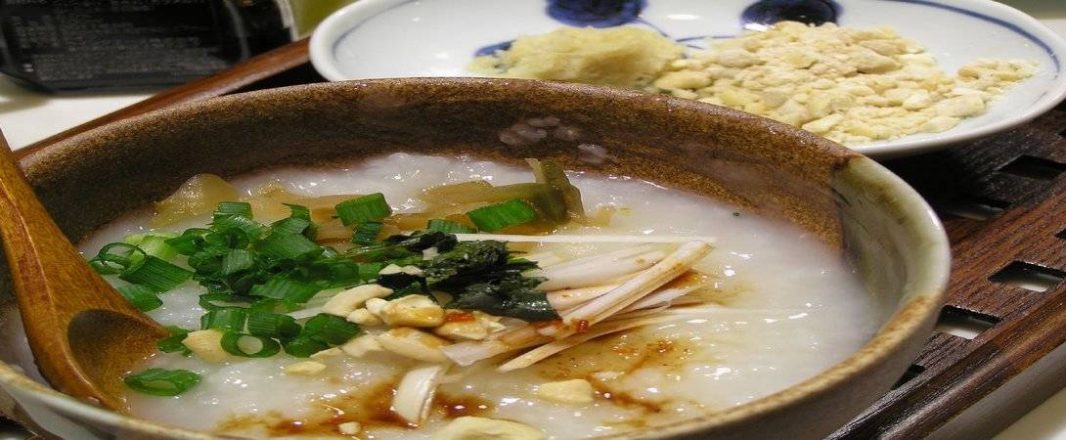
I can’t tell you how happy my colleagues from the East are when they heard about this programme. “Good, now we can also have porridge and roti for breakfast,” said one.
When it comes to food, the East is nearly all universal.
By the way, Accor Australia also celebrated its 20th birthday at its booth at ATE.