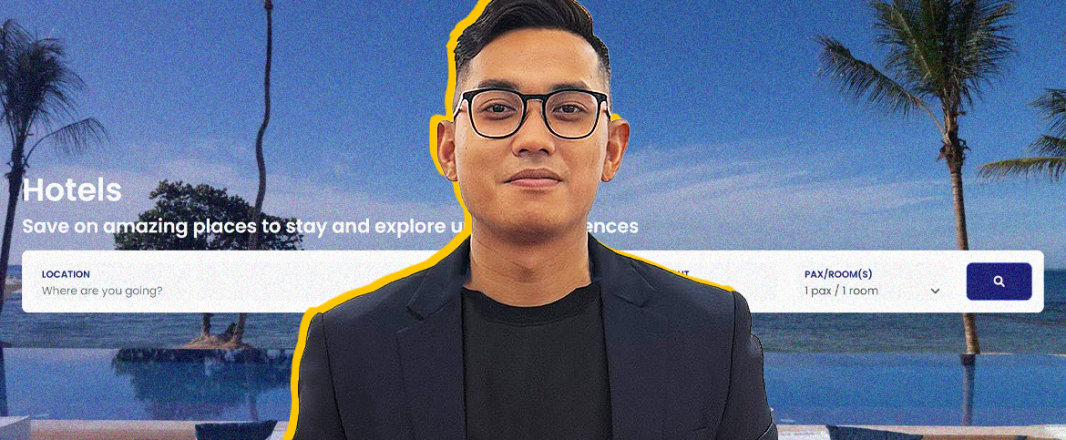
“We don’t want to scale too fast and lose focus. We want to build a solid foundation in Malaysia first.”
There’s no way to sugarcoat this – the Malaysian hospitality scene is dominated by giants. While global OTAs (Online Travel Agencies) and booking platforms continue to outpace and outprice each other for a bigger share of the market, the big players in the hotel scene are forking out fortunes to drive direct bookings via their own online channels.
According to one homegrown platform, this competitive landscape has created an underserved niche – smaller local brands and independent hotels. iBook is a Malaysian-born online travel agency (OTA) that started with a clear mission – to empower budget hotels and bring affordable stays to local travellers by going back to basics: service, affordability, and local know-how.
“We started iBook to focus on three-star hotels and below,” said iBook COO, Althaqif Alsagaf. “These properties often suffer from high commissions and low visibility. They sell rooms for RM60 to RM80 a night, but with the usual high commission rates, their profits are thin.” Instead of following the high-commission model of the industry giants, iBook provides its hotel partners with significantly lower commission rates. “When we give hotels a lower commission rate, they can offer us better pricing,” he explained. “That’s how we’re able to provide better value to customers while giving hotels a fairer deal.”
This price-first philosophy is backed by a customer support strategy rooted in Malaysian habits – particularly, the country’s fondness for WhatsApp. “You can just WhatsApp us. Malaysians love WhatsApp,” Alsagaf laughed. “Our customers ask things like, ‘What’s a good hotel under RM80 near KLCC?’ and we actually help them find something. You don’t get that kind of instant service with the big platforms.”
He added, “We want to bring back that old-school travel agent vibe, where agents didn’t just book for you – they also gave you suggestions, advice, and support.”
Local loyalty over global reach – for now
While global OTAs have deep pockets and regional offices, Althaqif believes their impersonal service creates a gap that iBook is eager to fill. “With us, customers get that assurance. When someone books a room, we’ll confirm it directly with the hotel and follow up with the customer,” he said. “They don’t have to worry about showing up and finding the hotel fully booked, which still happens sometimes on other platforms.”
That high-touch customer service is something iBook is betting on, especially as Malaysia gears up for Visit Malaysia 2026, a nationwide tourism push. “We want to be the platform for Visit Malaysia 2026,” Althaqif said. “We want local travellers and inbound tourists to see iBook as the go-to for local stays.”
Despite early challenges, such as rare-but-frustrating instances where booked rooms weren’t available, the company used those setbacks to improve. “It was a learning curve,” he admitted. “We asked ourselves, what if this happened to us? We’d be furious. We made changes to our operations to ensure every confirmed booking means a guaranteed room.”
And while the company hasn’t taken any outside funding yet, it’s proud to be bootstrapped. “We’ve grown by around 70% quarter-on-quarter,” he said. “It started off as a simple idea with a basic platform. We revamped the whole site in January this year and brought in more inventory.”
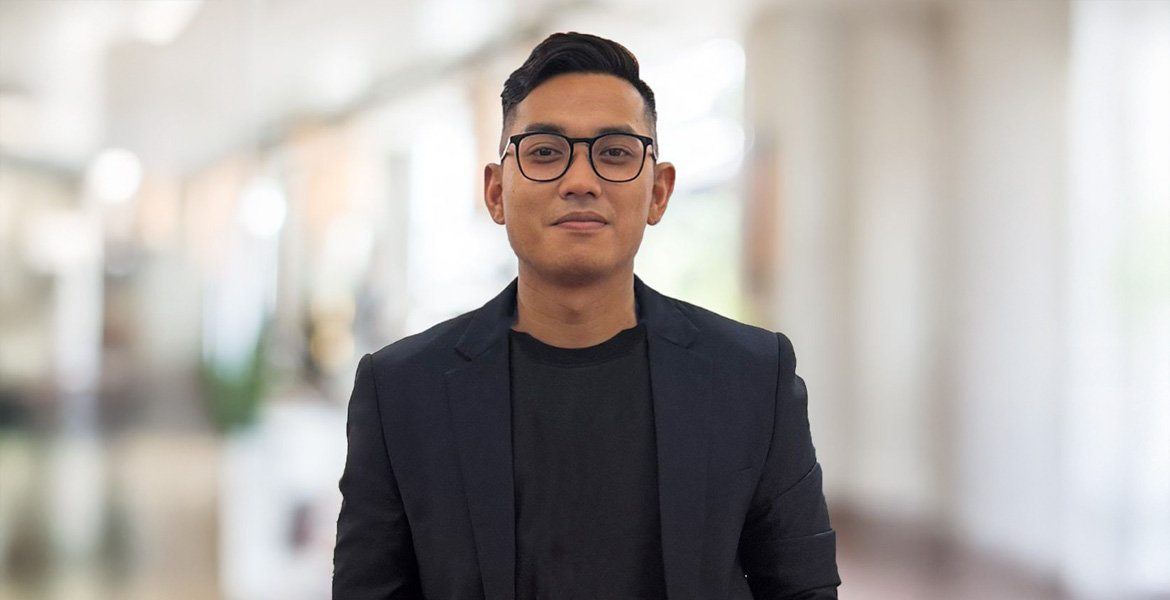
“We want to be the platform for Visit Malaysia 2026,” Althaqif said. “We want local travellers and inbound tourists to see iBook as the go-to for local stays.”
Lean operations and social media smarts
Without external funding, iBook has relied on creative, low-cost methods to grow. “We utilise social media a lot,” said Althaqif. “Early on, we did a lot of trial and error. Then we realised that TikTok was actually a growing channel for us.”
It might seem counterintuitive, but the platform’s viral, visually rich content made it ideal for iBook’s target audience. “Everyone goes to TikTok now – for where to eat, where to go, where to stay. So, we just tried to leverage that,” he said. “We gained a substantial number of potential customers through TikTok.”
Though mostly organic at first, iBook has since started spending modestly on ads. “Now that we’re a bit more stable financially, we can afford to spend a little on paid content,” said Althaqif. “But it’s still nowhere near the big boys. We plan monthly and decide whether to focus on TikTok or Meta depending on performance.”
The lean approach extends to payments and operations. Hotels are only paid after customers check in, helping iBook manage cash flow. “This model helps us a lot with operating costs,” he said.
Know your customer – literally
One of the more surprising things Althaqif discovered was that iBook’s audience isn’t mostly Gen Z. “We assumed it was only young people on TikTok, but even people over 40 are using it,” he said. “Our strongest demographic is actually people aged 30 to 50, and surprisingly, it skews female.”
Why female? Alsagaf offered an explanation with a laugh: “In every family, it’s usually the woman who decides where to go. We husbands just follow and say, ‘Whatever makes the wife happy.’ So, they’re the ones watching travel TikToks and saying, ‘Let’s go here.’”
Another unexpected behavior: a sizeable chunk of users prefer to have iBook book hotels for them manually. “Some people just message us on WhatsApp and say, ‘I’m on the way to the hotel, can you book this for me?’ And we do it,” said Alsagaf. “Around 30% of our customers ask for this kind of hands-on help. What other OTA does that?”
While the company remains focused on Malaysia for now, expansion is definitely on the roadmap. “Of course, there are plans, especially in ASEAN,” said Alsagaf. “But we don’t want to scale too fast and lose focus. We want to build a solid foundation in Malaysia first.”
iBook already has a few hotels in Indonesia – in Bali and Jakarta – but it’s keeping those numbers intentionally small. “It’s less than ten hotels right now. That’s why we’re focusing on our homegrown base first. Once that’s solid, we’ll start looking at places like Thailand and Indonesia.”
Plans for regional growth – but not too fast
Despite its modest beginnings, Althaqif is optimistic about iBook’s future. The key, he believes, is staying grounded in service and local understanding. “Our main thing is just to provide the best service we can,” he said. “We want to be more than just a booking platform,” said Althaqif. “We want to be the platform people trust.”