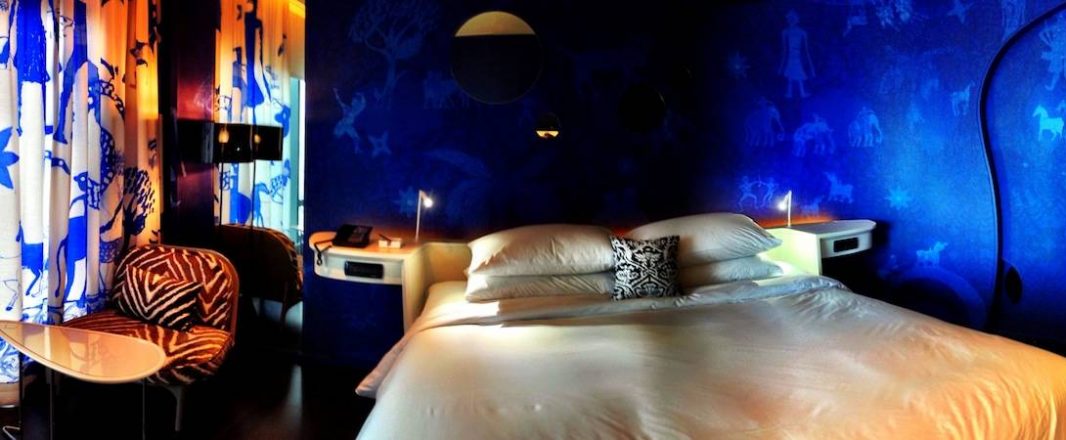
 Do travelllers tell others they are getting enough value out of their money spent? Continuing the analysis published in our recently released ILTM Report on Luxury Hotels, we at Circos Brand Karma decided to dig deeper into our data to find out more about the generation that’s creating the era of ‘Is Your Hotel Instagram-able?’
To ensure we had a comprehensive view, we looked at the top 11 websites featuring traveller reviews worldwide. They included global heavyweights such as Tripadvisor, Booking.com and Expedia, as well as local heavyweights like Qunar (China) and Rakutan (Japan). From this list of sites we selected over 100,000 reviewers who had reviewed at least 1 of 400+ luxury hotels in Asia within the last 2.5 years and also identified in their profile where they were from.
- How prolific, or how frequently the reviewer wrote reviews about luxury hotels that existed anywhere in the world
- How luxury, or what is the ratio of luxury v. non-luxury hotels reviewed
- How critical, or what is the level of satisfaction displayed across all their reviews
- How frugal, or how often the reviewer felt that the price paid was worth it
Based on their reviews, each reviewer was then assigned to one of 100 persona clusters defined by the degree of prolific, luxury, critical, and frugal. Finally, we looked at the location of the reviewer and the location of the hotels they reviewed to form our analysis.
In all – the results formed interesting insights into travelers at the top of the travel pyramid. We will be releasing a follow-up guide in conjunction with Web In Travel, called “Winning the Hearts & Dollars of the Instagram-able Generation”. But ahead of its release, here are some tidbits.
Our first key finding is that satisfied customers don’t explicitly spread great word-of-mouth about value. The majority of reviewers who had the propensity to write about their guest experience positively either didn’t mention value for money or wrote about it in a neutral manner. This suggests that services that enable price comparison become an important arbiter of value in the absence of strong testimonials about value.
On the other hand, when examining what drives satisfaction in value for the exclusively luxury reviewers, staff and service was the top driver for travelers across all regions, but aesthetics of the hotel ended up being N Americans’ 2nd most of-mentioned driver and tied for 3rd with the room product for West Europeans.
The full report will be issued in conjunction with Web in Travel in early November.