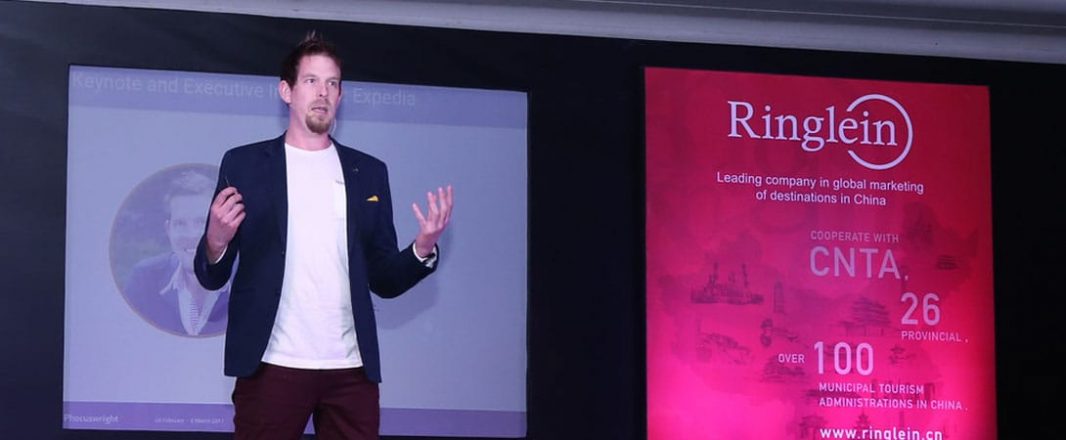
Arthur Chapin started at Expedia as an intern and never left. Today, 16 years later, he’s senior vice president of global product and design at Expedia Inc. Yeoh Siew Hoon catches up with the self-professed geek who’s not only curious about tech stuff but also what makes humans tick.
Q: Clearly, they must have treated you well as an intern?
Yes, it was a combination of the people and the exciting travel space we were in. Expedia had just moved out of Microsoft and we had to set up our own development lab outside Microsoft.
 Q: It’s rather unusual for a young person like you to stay so long with one company though.
The whole company has evolved. It started as a competitive startup, underwent significant transition and different business models – it started around flights, then hotels – and the whole industry went that way. Then we had the acquisitions and now we have got a single platform.
I have had a new job every 2 years for 16 years. I’ve worked in IT infrastructure, engineering and development, architecture and now product.
It’s a chance to learn and keep growing. People get bored when they do the same thing too long and it’s important to have a culture that celebrates people moving around.
Q: That must have been a huge change – moving from back-end IT to consumer-facing product.
Personally, it was huge. For the first six years, I was not that involved in the business, heard about it, but didn’t feel a part of it or if I was making a difference. It was the reason I was thinking of leaving – around 2011 – and then the opportunity came to move to product. So that was good timing.
Q: What was the change like?
When you move from engineering to product, everything’s quite similar except for one difference. In tech, you can always do it – change the scope, investment, time – the standard triangle of engineering leadership.
But with consumers, there are so many unknowns about why people behave the way they do. In many ways, it’s more scientific, more psychology, and this other world of science became fascinating to me. It changes the way you view the world.
You learn about ways that people make decisions and tactics to help people make decisions.
And you find it’s common across cultures – maybe the tactics are different but the core science is there.
Q: So from consumer product, you’ve now taken over the partner side of lodging, responsible for the B2B marketplace. How different is the B2B space?
It’s not that much different because it’s still a person using the tool. We build problem-solving tools for our partners, based on user research.
Q: Are hoteliers more resistant to change than consumers in general?
They are more vocal. It’s harder to get direct feedback from consumers even though we do have our Media Labs. But with hotel partners, we have a relationship with them, so they are more vocal in voicing their needs.
Q: Can you share key insights you learnt from working on consumer product?
One, when you ask someone what they want or why, they don’t always know – that’s why we observe and use research. Tools such as eye tracking software – when we ask, what’s the first thing you notice, they will say price even though they are looking at photos and reviews.
Two, often the product you would build for yourself is not the thing people want. In Expedia, we say don’t build the product you want. That’s the most common problem startups have – and I always ask them, what user observations led you to come up with this, beyond your friends.
You still need observations to come up with an idea, then you go out and get signals that other people feel the same way. Most startups just start building it.
Three, the importance of being scientific in how you do things – constantly measure and see if you are getting better. If you have a big project for six months, take a few steps everyday. Don’t just focus on that north star because if you’re not constantly touching base, you might find out six months from now, the destination has changed on you.
Q: It is a challenge to have techies who also understand consumer behavior. Yet this is where the secret sauce is, isn’t it, for companies – to blend tech and consumer-facing skills?
Yes, people who have both skills can make a huge difference, and we are seeing more tech people move into marketing and product. I think it’s easier for tech people to move into consumer-facing than the other way round. The concepts and core principles of building apps do need time to be taught, techies have these skills already. Consumer facing skill sets are easier to pick up and contextual to the industry you are in.
Technology is the horizontal, the common platform, technology is now all around us and for the younger generation, if you don’t know how to code, you will struggle in any career. Having a tech background is necessary today.
Q: How do techies make it across to the consumer-facing side? What did you have to do personally to make the leap?
Natural aptitude – I have a strong social and curious side, and I have strong relationships. This is important, having a lot of people you can talk to, like your own internal board. The right company culture helps – if companies are open and live it, such as, there’s no stupid question.
Q: How about formal training that imparts soft skills like EQ?
I am not someone who learns well through classes but through experience. I think you need a combination of things – classes in basic P&L management, marketing, EQ.
Q: So back to your current role of heading the B2B two-sided marketplace – what’s mission critical for you?
To create a seamless way for partners to reach the customers that they want. It’s about real-time tying consumer and partner together. It’s broader than the transaction, beyond distribution – there are huge advantages to scale. A platform that has millions of users generates better real-time information.
Q: You’ve just completed a whirlwind tour of Asia – what are the challenges your team faces in Asia?
I believe we are more the same than different. But while we are similar in how we behave as humans, the specific things we’ve been trained since our childhood are different by culture.
For example, in Asia, the sudden and dominant growth of chat platforms, relevant payment methods – how will this influence product?
The industry has a real opportunity to be part of these chat platforms – a whole new channel for interacting with partners and consumers. We need to figure out how best to plug into them.
Q: What’s your take on voice?
It’s pretty revolutionary in how we interact with things, I don’t think it’s going to take over and be dominant, it’s another way of communicating with technology.
If you look at how retail travel agencies work, they used brochures – voice will not take over; remember, it takes 1,000 words to describe a picture.
I think it will become bigger in low consideration types of decisions – I need to be in Tampa Florida in a week and my flight leaves at 6am, and I want an airport hotel – very specific questions. Rental cars – our core Alexa skill is built around that.
Virtual Reality is the exact opposite – that’s going to influence high end consideration.
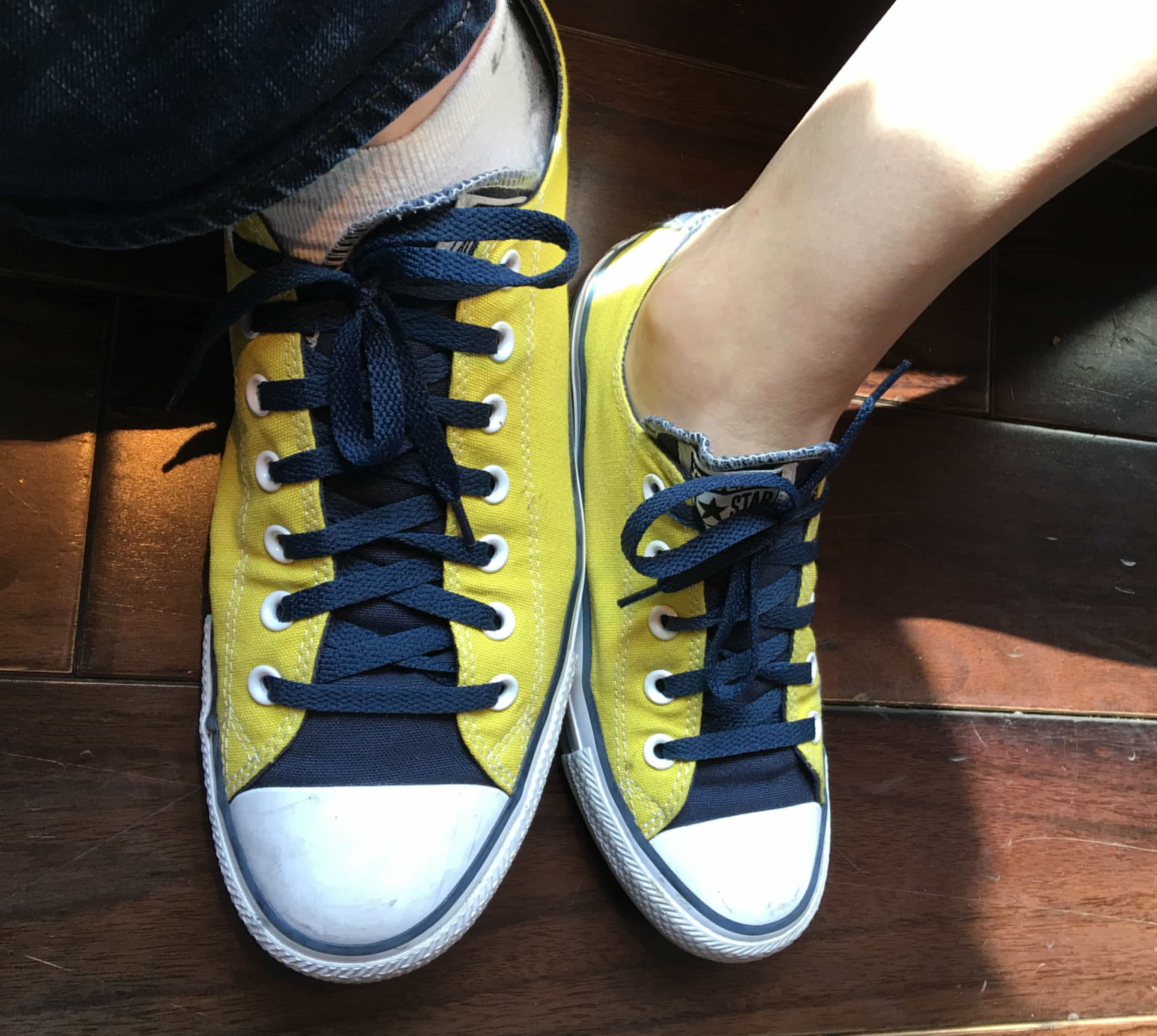
Demonstrating the human touch in his leadership, Chapin orders personalised Converse shoes for his team in Expedia’s signature yellow colours.
Q: You’ve just had a very grueling two-week tour covering Seoul, Singapore, Bangkok, Delhi and Sydney. Don’t you wish technology could do it for you? Like a hologram and you don’t have to travel anymore?
Technology will never recreate this – the physical act of speaking to you and listening to the teams in the field. There are many ways of meeting today but I still don’t think it will replace the human element.
It would be bad news for our world if we lose the desire for human interaction.