It is said crisis unites and there’s no better time than now for unity as the travel industry undergoes its biggest test with the outbreak of Covid-19. With Asia being the first to be impacted, and the rest of the world now feeling the repercussions, there are lessons to be learnt and experiences to be shared from our region.
Singapore, where I live, was the first place outside China to be affected. The first case of the coronavirus was detected on January 23; the 66-year-old Chinese national from Wuhan has since been discharged. On January 31, Singapore became the first country to lock down its borders to new travellers from China, as well as foreigners who had been there the last 14 days – a move it felt was necessary to contain the outbreak.
On February 7, it raised its Dorscon – Disease Outbreak Response System Condition – alert to Orange, triggering panic in the local community. But this video, made by Prime Minister Lee Hsien Loong, which has since been widely praised for its messaging and tone, calmed things down. (Watch it if you haven’t. It’s a good case study in calm leadership, with very clear messaging, which is what the world desperately needs right now.)
We’ve been in the eye of the storm since the beginning of the year and we in Singapore as well as China took the pain early. Think about it – the world’s biggest country and one of the world’s smallest countries fighting it individually, yet together.
So we went through the panic buying, the hoarding of toilet paper – what is this obsession with toilet paper, people – and everyone laughed at us. And we learnt to laugh at ourselves.
We learnt that fear is real and it leads us to do irrational things. We also learnt that you have to conquer your own fear before you can help others. And with each passing day, we have learnt to pass courage to each other as we go about our daily lives.
We’ve lived through the containment measures and even though the Orange alert is still on, reminding us to be mindful at all times and take the necessary precautions, life is getting back to normal. Shopping malls, restaurants and cafes are getting busy again.
Yesterday evening, I was out at Beasts and Butterflies, one of my favourite places by the Singapore River. The breeze was blowing, people were walking their dogs, a singer was belting out love songs in Cantonese, Mandarin, English – one even sounded Mongolian, and the restaurant was packed with a social event taking place. It almost felt like any other balmy evening in tropical Singapore.
It felt good to see an event – because that’s one of the biggest segments being hit – as organisers cancel events wholesale across the world.
Travel companies have adapted to keep employees safe – introducing remote work, splitting shifts, some banning all travel, some limiting it to non-essential travel, cancelling internal events and meeting virtually where possible. All these, while dealing with masses of cancellations from customers across every segment.
For me, it’s been personally heartening to watch Singapore and its tourism industry unite to fight this common enemy. The Singapore Tourism Board has been proactively leading the charge, and I have watched travel companies based in Singapore adjust to the new normal and I have taken heart from their courage and considered measures to get through these challenging times, possibly the worst I have seen in my career, because travel’s so much bigger now, China’s so much bigger and we are all so much more connected.
That’s the price we pay for growth – we have further and higher to fall from.
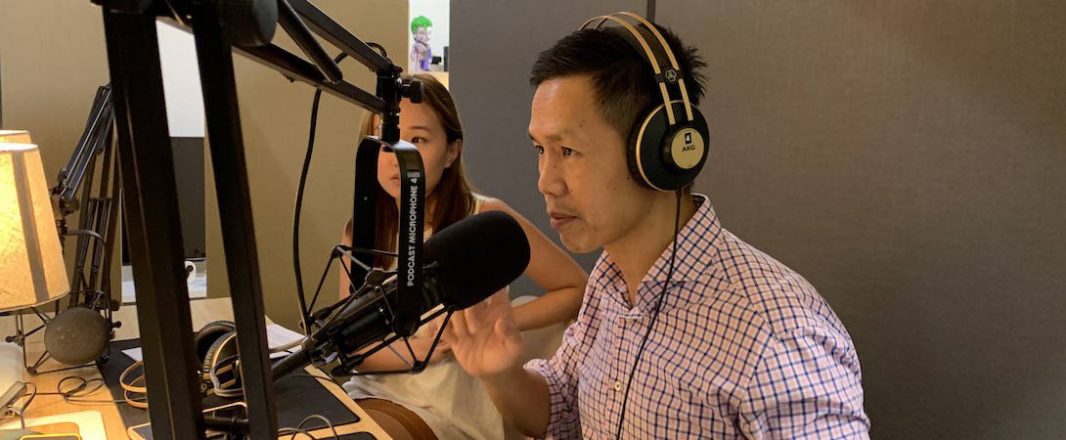
Which is why we have decided to launch The WiT Podcast to try give shape and clarity to the recovery process as some countries emerge while others are just getting into it, and others yet to get into it. There must be lessons to be exchanged, and ideas and practices to be shared, so that we can unite and collaborate our way out of this crisis.
No one knows how long this will last, but what we do know is that we will come out stronger if we think together. And failing the ability to meet physically for now, this is our way of connecting the industry through deep, meaningful discussions and debate.
Episode 1: Keith Tan, CEO, Singapore Tourism Board
“You have to take the ups and you have to take the downs,” says Keith Tan, CEO of STB. The organization has responded swiftly, putting in place measures to assist the industry, as well as assemble a Tourism Recovery Action Taskforce. Yes, there is no denying the pain has been sharp and will get sharper as the virus spreads but he believes this is a time for a reset, to get creative, to get reskilled. Above all, he believes Singapore must not waver from its pursuit of quality tourism. In fact, his advice to other destinations affected by Covid-19 is to keep your eye on your North Star. Dig deep into your brand equity and solidify it.