It seemed not much had changed in Bangkok. The day I arrived, it had been raining – which can only mean one thing. Bad traffic.
After an hour into the ride from airport to hotel, I asked the driver how much longer we had and he said, “One more hour.”
“What!” I exclaimed – a typical response from someone living in orderly Singapore where a traffic jam is a talking point, not a shrugging occurrence. I checked on Google Maps and it said “13 minutes without traffic”. This is when there’s a chasm between virtual and real life.
Anyway, I got to the hotel 2.15 hours later and straight into a dinner where my friend had been waiting an hour at least. She seemed less frantic than I. And that’s what I love about the Thais – their unflappable natures – whether it’s traffic, street protests or bomb attacks.
Some call it resilience. And surely they have to be – it’s been a long period of stops-and-starts for Bangkok. Just when business recovers from the last crisis comes another to knock it down – and so the process of rebuilding begins again.
What is the alternative?
It would be trivialising the nature of the Erawan Shrine bomb attack to say things are back to normal. This one shook local residents and for a few days after the attack, my friends said they were nervous – not knowing when and where the next attack would come and who was behind it.
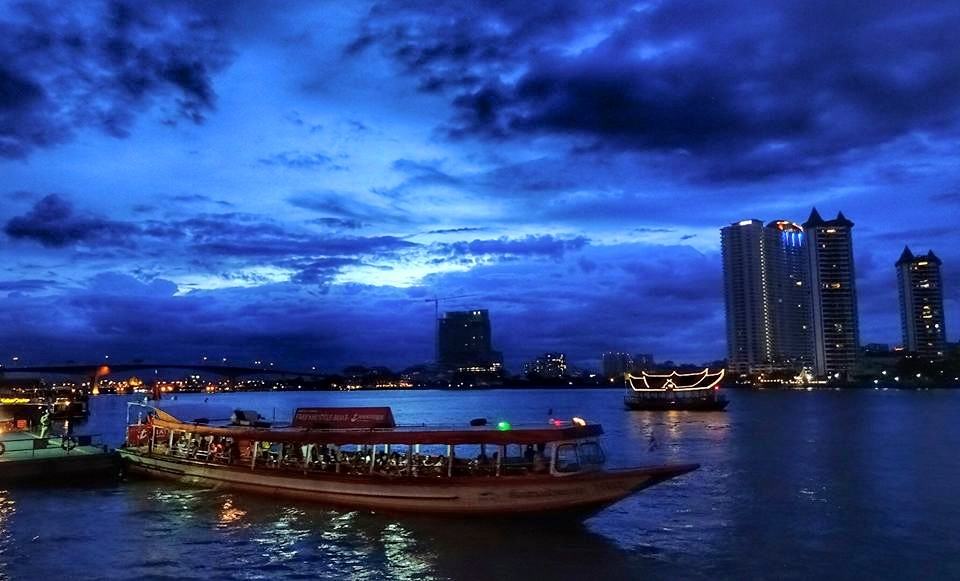
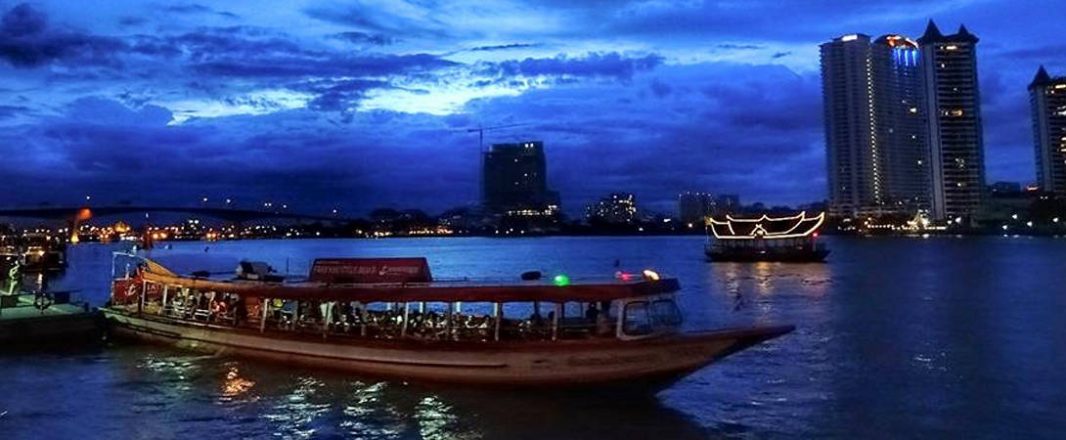
Photo credit: Ekachai Uekrongtham
But with arrests made and new talking points emerging – the hottest topic being the Bangkok police claiming the reward for themselves – life seems to be slipping back to as normal as it can be under the circumstances.
A couple of hotels told me business is down by 20%. The more serious impact is from corporate events and meetings. Multinationals have stepped up their security requirements for hotels and I am told that some have cut down their list of hotels from six to two – which to me doesn’t make sense. Why would you want to consolidate your business to one or two properties – doesn’t that make you more vulnerable?
A couple of delegates attending the Sabre Asia Pacific meeting in Siam Kempinski contemplated cancelling – “my wife told me to avoid public places” – but felt they had a responsibility not to. In the end, everything went as planned, minus delays due to yes, bad traffic.
For Charles Yap, it will surely be a time he will remember for the rest of his life. The first day he started his new job as director of communications for the Onyx Group, the bomb attack happened.
The Singaporean executive, formerly with InterContinental Hotel Group and Discovery Channel, was in Hua Hin attending a management meeting when the news broke.
“We went straight into crisis communications mode,” he said. As unfortunate as it was, he said it was a good learning experience. He learnt instantly about the group he was working for and its executives.
“We all came out of it well, shaken but wiser.”
By the way, Charles was one of my trainee journalists and it’s good to see that he’s done so well in his chosen career in corporate communications.
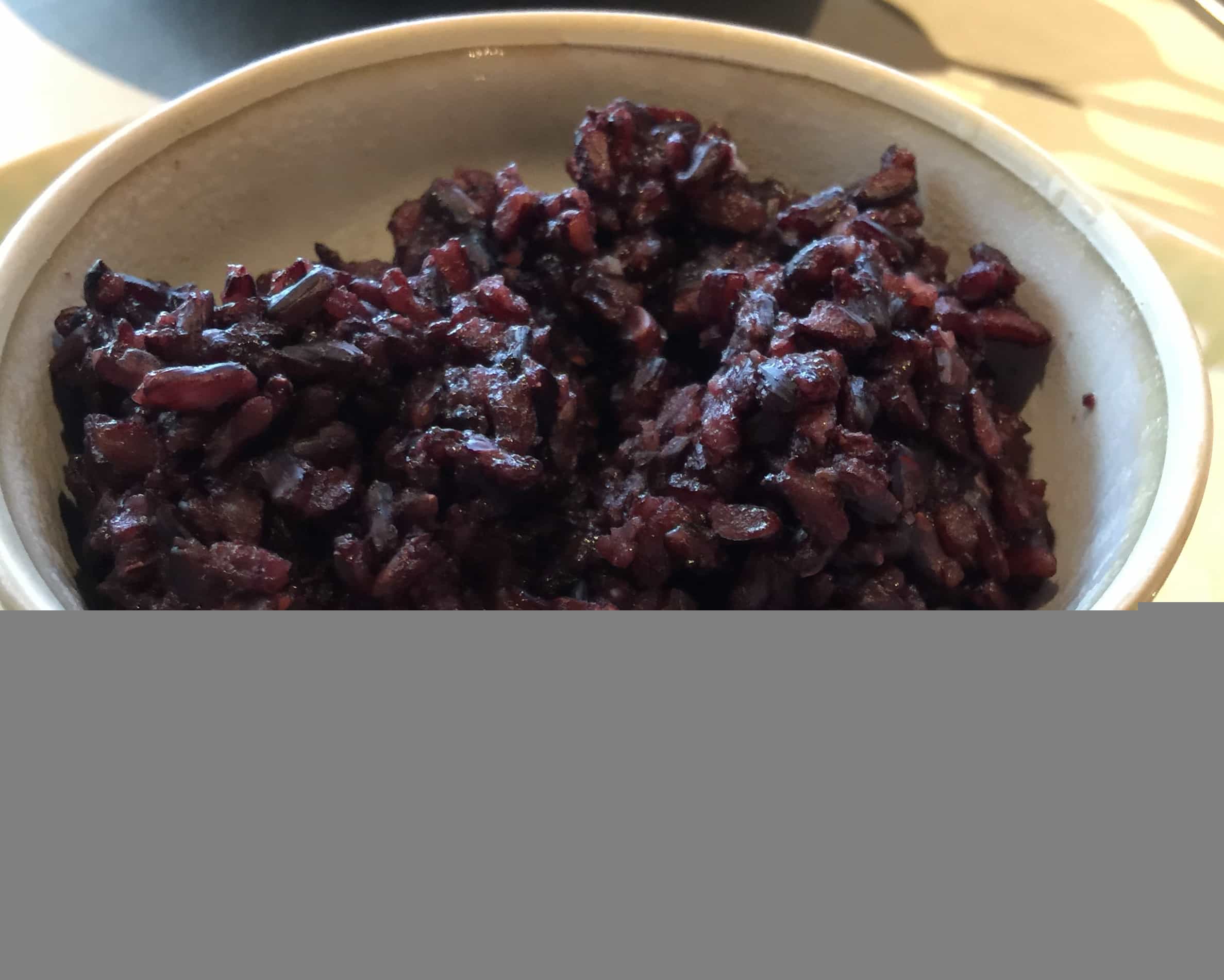
Tasty Riceberry
I also caught up with Siradej Donavanik, the third generation family member of the Dusit Group, and over lunch at the Dusit Thani’s Benjarong Restaurant where a new Danish chef is adding Scandinavian twists to Thai cuisine, “Champ” talked to me about training and innovation in the group, about Riceberry, a new cross-bred strain of rice grain developed by Thailand and now selling worldwide and about Wonderfruit, a new lifestyle festival he’s created with a friend, to promote “Live. Love. Wonder”.

Wonderfruit – an organic Woodstock
The more he described it, the more it sounded more like a new-gen festival (an organic Woodstock) for hippies or do they call them hipsters these days? Well, as they say in Thailand, same same but different.
Anyway, it felt good to be talking about love and the future rather than traffic and evil people.