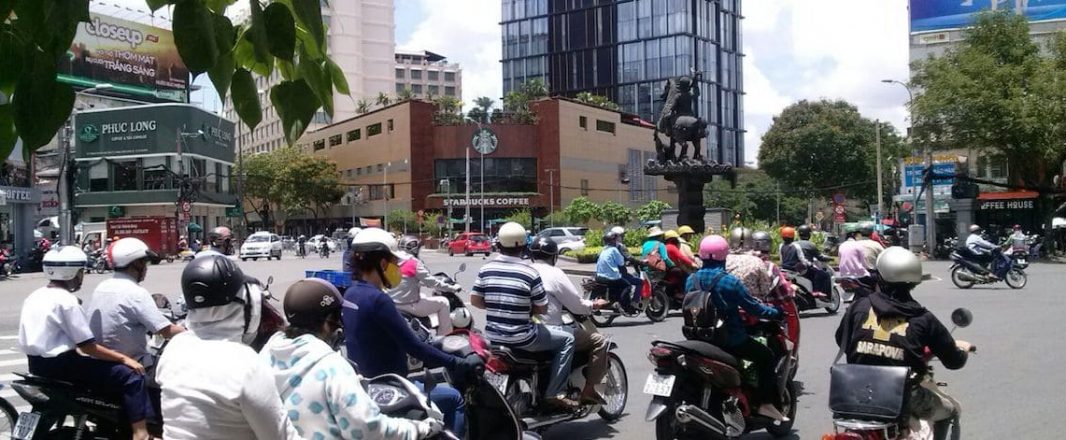
One evening in Saigon, after a lovely dinner at a rooftop garden, we stopped on a sidewalk to have a brief chat about where to go next. Ice cream? Beer? Wine? The choices are endless. Suddenly, a bunch of taxis just stopped by us, the drivers looking at us in anticipation for a ride.
Simon Christy, founder and CEO of Alehap.vn, our local host for the evening, laughed. “Guys, we are confusing them. No one stops at sidewalks here. Here, you just cross the road, you don’t pause. We’ve just done a cultural no-no.”
Anyone who’ve been to Saigon knows the rule of crossing the road. You don’t look. You just step out in front of hundreds of cars, motorcycles and bicycles and hope for the best. Drivers are trained to swerve and avoid us and the worst kind of pedestrians are those who hesitate.
I reckon the same rules apply if you wish to enter Vietnam and take part in its burgeoning travel market – know the market, understand its differences and don’t hesitate.
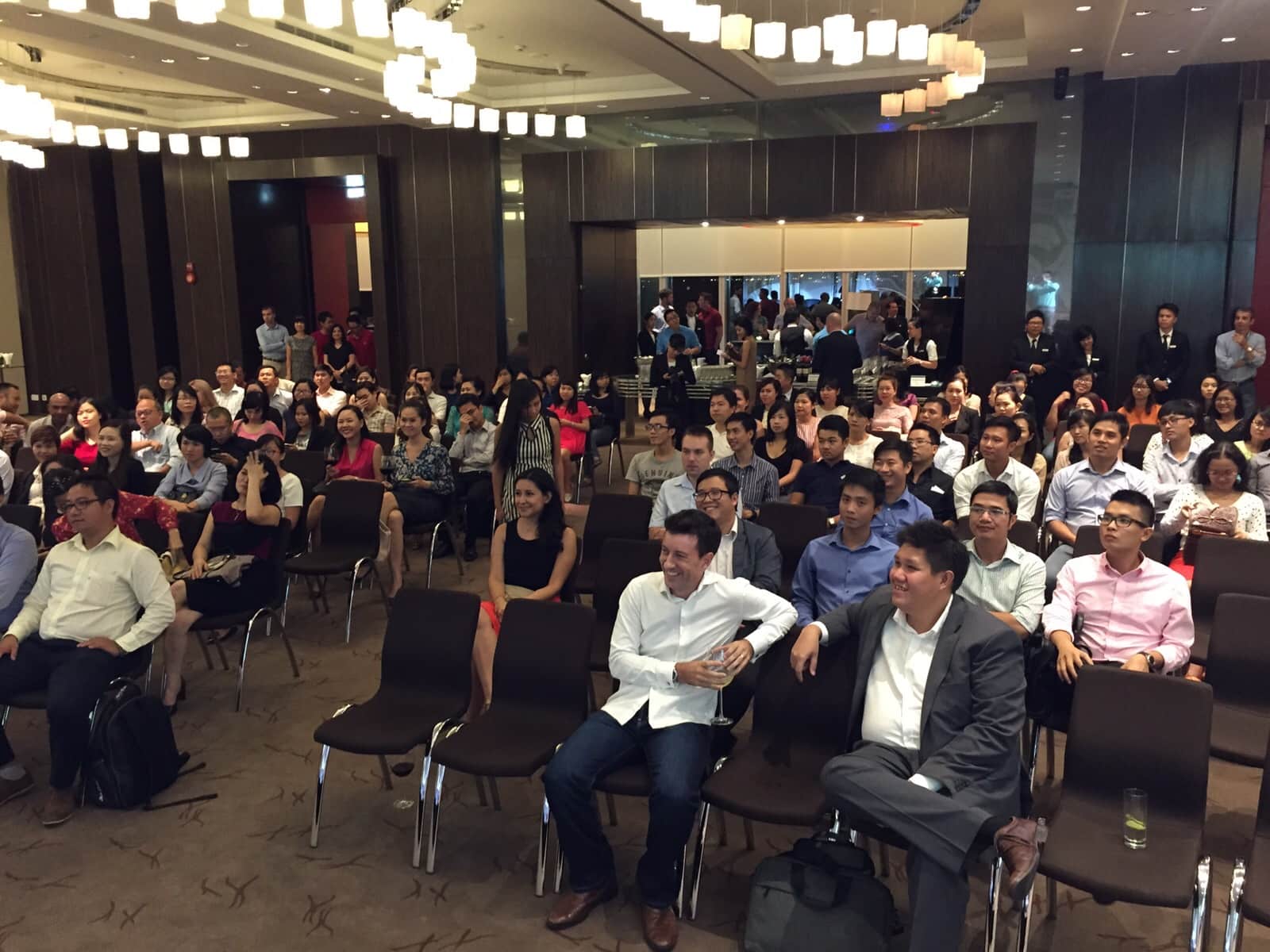
Full house at WIT Saigon
Here’s what we learnt at our WIT Saigon Evening held last Wednesday at Le Meridien, the fourth Starwood property in the country, and first Le Meridien in Saigon. (Starwood is aiming for 20 hotels in the country by 2020.)
It is a huge market – 93 million people. The second biggest market in ASEAN, after Indonesia. It is a very young market – 50% under 30 – and thus highly social. Facebook has 90% penetration here.
Christy’s site, Alehap.vn, built up from social – and is a model unique to Vietnam. With its 440,000 fans, it’s built an OTA offering and pushes out deals but Christy is very careful about the balance between community and commerce.

It’s a highly aspirational market – the brag factor on social media is a huge influence in how young Vietnamese pick their destinations. This is why blogger, Nhung (or Rose), founder of Phuotvivu.com, goes out of her way to write about exotic destinations. A blog she wrote about El Nido, in the Philippines, was highly popular, she said. Rose wants to inspire and help young Vietnamese to travel and explore South-east Asia.
With 30 million smartphones in the country, it will become a mobile first market this year, we learnt from Joe Ruelle of HotelQuickly, the last-minute booking app. However payments remain a challenge with the bulk done offline. “You may be able to have 30 app downloads but out of those, only one will be able to make payment via credit card.”
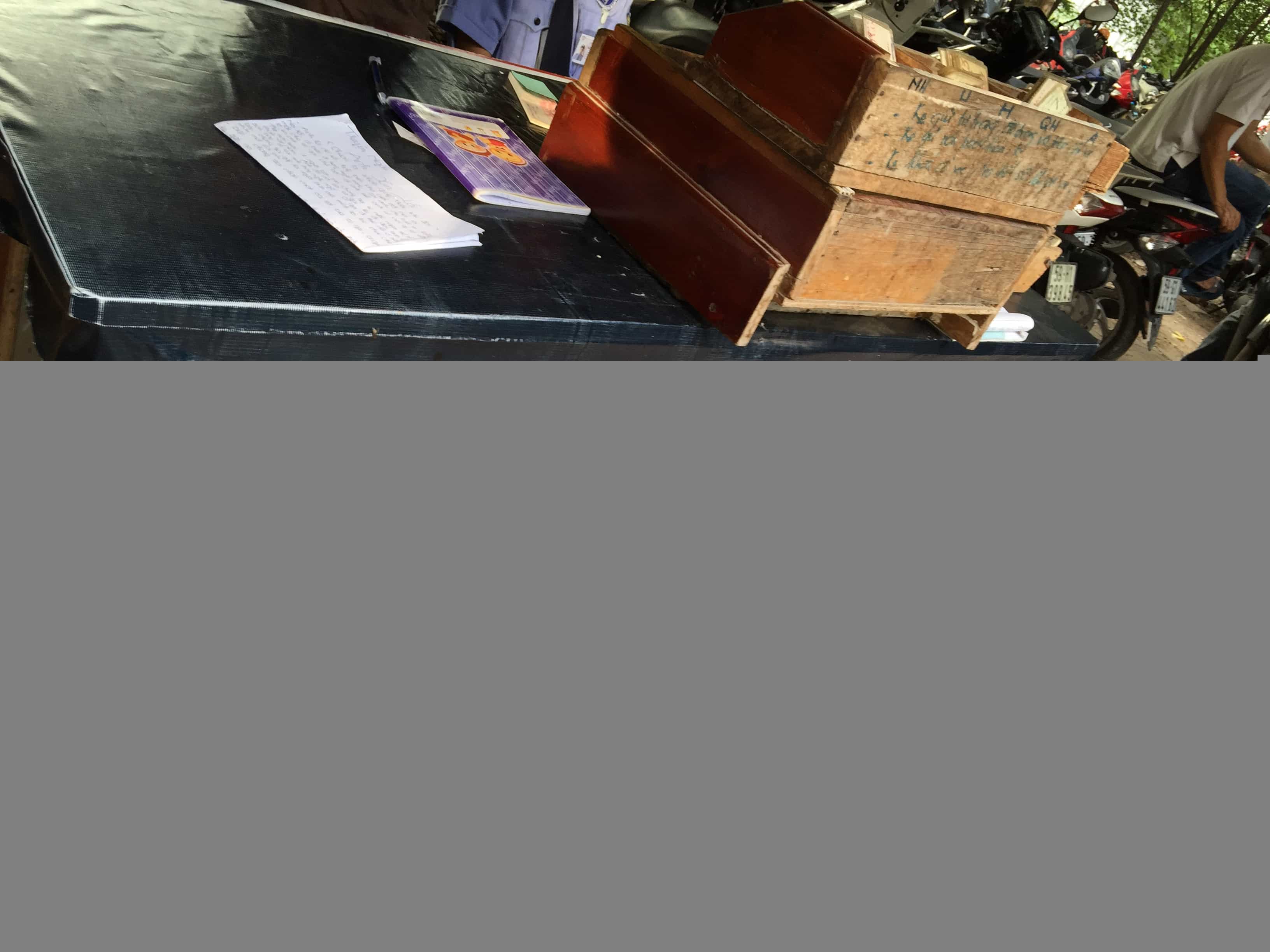
Book Uber here
Indeed, Vietnam will be the first market where Uber will start accepting cash, said Ruelle. It’s also the first place where I saw a physical counter for the global ride sharing service where customers can book their rides.
Glenn Koh, area director, Vietnam, Cambodia and Laos, of Singapore Tourism Board observed that millennials in Vietnam were driving the change in behaviour. “Before they’d ask questions around safety and money changing, now it’s where can I buy a SIM card?”
Incidentally, it’s really easy to buy a SIM card at Saigon airport. I was most impressed by the efficiency of the girls working at the Mobifon counter – three girls working as a team, smiling as they worked with their beautifully manicured hands to switch and register SIM cards for their customers.
And here’s the last thing you need to know about Vietnam – it is powered by women, perhaps not in the top ranks of multinationals and government corporations but in the private sector, and within SMEs, women are incredibly smart and industrious.
As such, it is a very women-friendly destination. Kei Shibata, CEO of Venture Republic, said that Vietnam was the number one destination for Joshi-Tabi (women-only) packages in Japan and “there’s a huge opportunity for Vietnam in this segment because we know women make the decisions in leisure travel”.
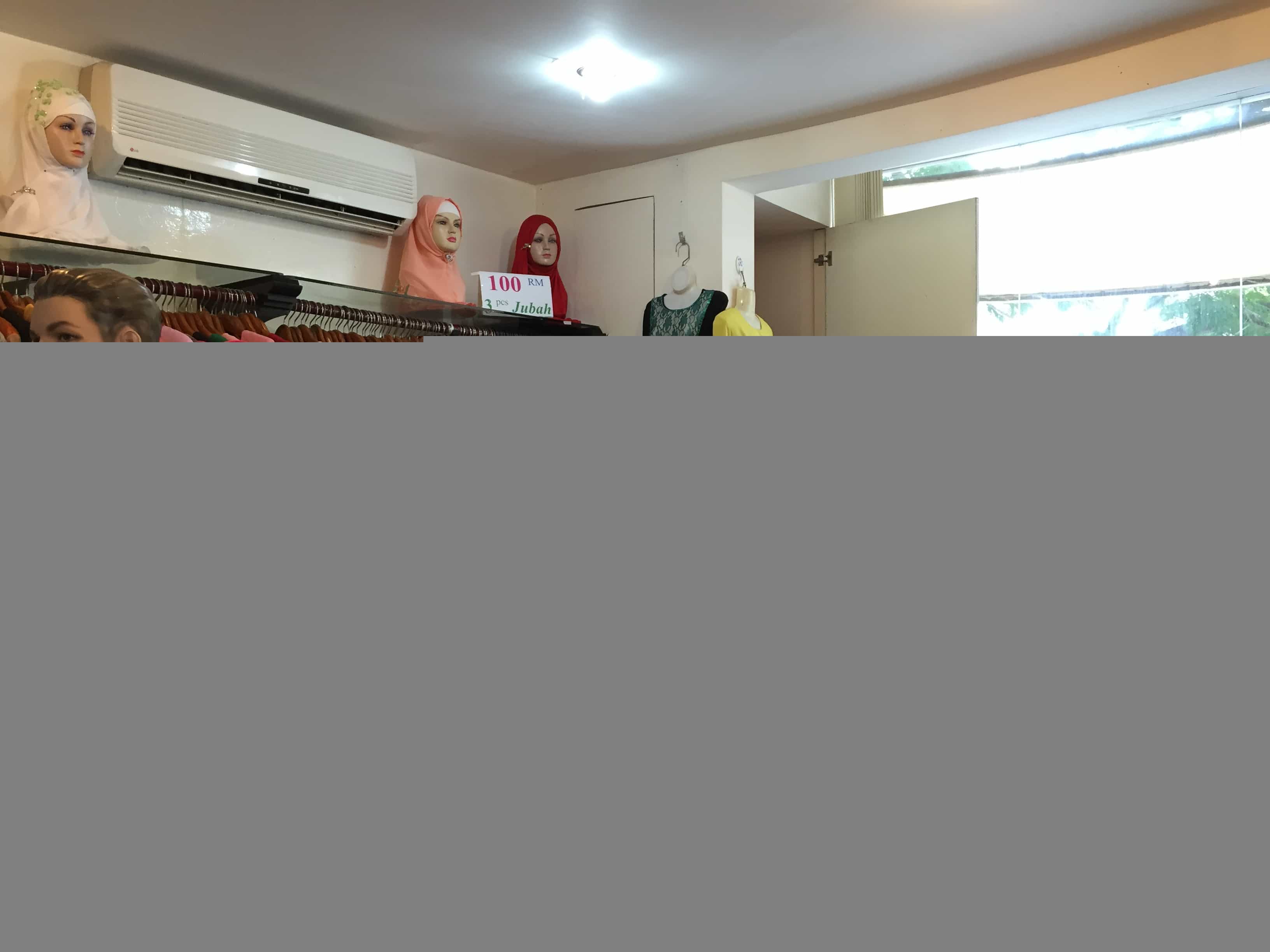
Boutique specialising in Muslim fashion, targeted at women shoppers
Personally, I can vouch for that. The food is light, flavourful and healthy, the massages good and value-for-money – if you’ve never tried a hair wash, please do and the shopping superb with great bargains to be found. I made a new discovery this trip – a shop specialising in Muslim fashion, so popular with Malaysians that they even accept the ringgit, as bruised and battered as it is.
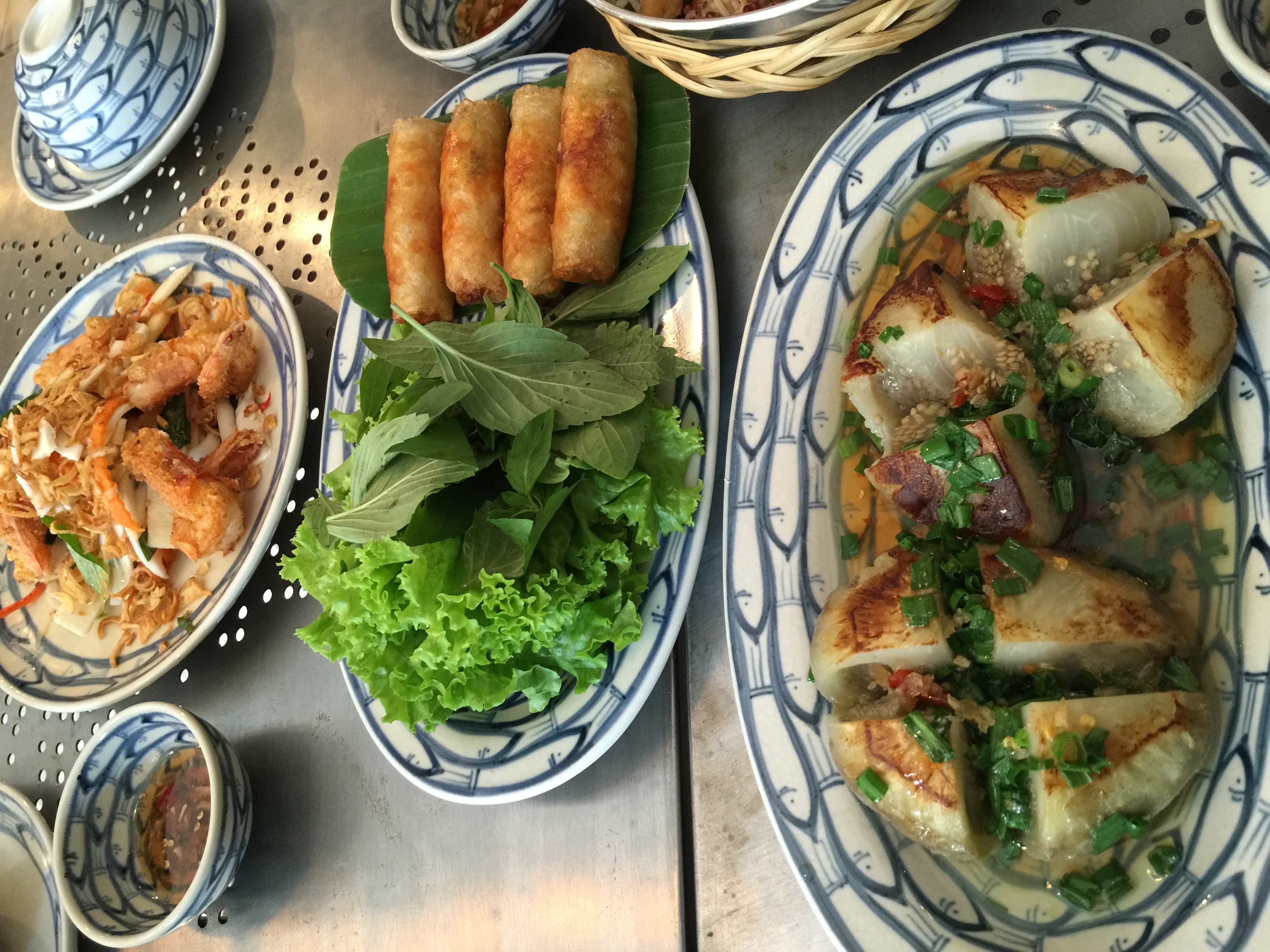
Vietnamese food: Light, healthy, flavourful
It is also relatively safe – you just have to watch your phone and not take too many selfies in case they get snatched out of your hand. The women traders in Ben Thanh market can be a tad aggressive – one told me off for asking the price of an item and not buying it. “Why do you ask the price then if you don’t want to buy it?” she shouted at me in fluent English.
Yes, Saigon is in transition and I can tell you reliably that its online travel market is about to emerge big-time. Give it a couple of years. There are a few start-ups, who’ve received funding. The few I met were around trip planning and concierge services. There is no local meta-search yet, nor a clearly dominant OTA that has conquered both domestic and outbound – although Chudu24 gets mentioned the most for being strong in the domestic market.
You’ll also start to see the entry of more foreign players – Expedia is building up its team, said Mieke De Schepper, vice president, Market Management, Asia Pacific, Expedia® Lodging Partner Services. “We’re definitely interested in the market – what I find most exciting are the people and the food,” she said. Booking.com and Agoda are already fairly big and there are reports that Indonesian OTA Traveloka will enter soon.
That’s when the real fun will begin and he who crosses the road first without pausing will win.