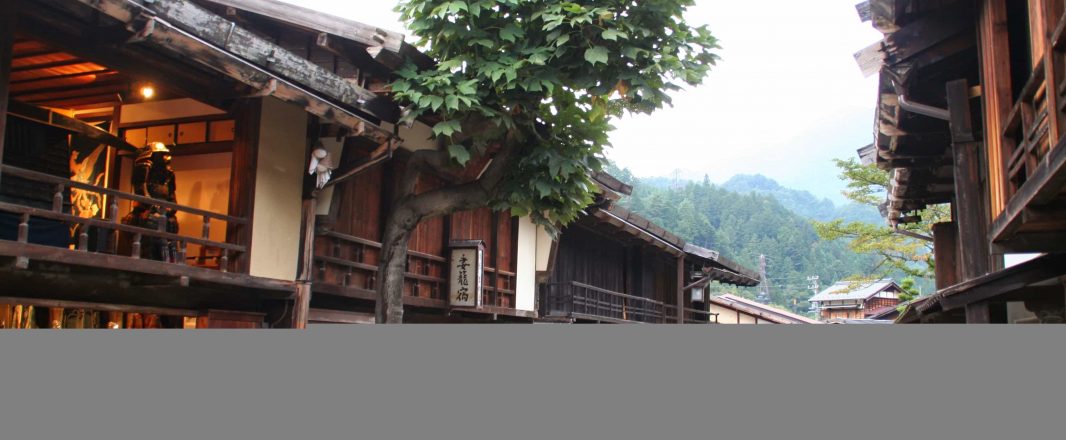
A conversation with Paul Christie, the CEO of Walk Japan, takes a fair bit of contemplation.
While much of our chat revolved around Walk Japan and its success as a tour operator in Japan, very little technical corporate travel jargon was used. There was no talk of social media strategy, direct bookings or ‘going mobile’.
Instead, Christie spoke from a more philosophical standpoint about the business that is clearly incredibly close to his heart.
Founded in 1992, Walk Japan hosts small group walking tours and hikes of varying difficulty through Japan’s rural landscapes. Most tours are fully-guided and are inclusive of meals and accommodation. Its newest tour, the Izu Geo Trail, takes walkers along the Izu Peninsula, an area known for its mountainous terrain, sea cliffs and small fishing villages.
“[Walking] is a great way to experience anywhere. If you’re in an air-conditioned bus full of other tourists, how uninteresting is it? But if you’re just walking through, you’re able to absorb what’s going on at a very human pace,” said Christie.
He made it very clear that while other businesses can no doubt operate successfully in Japan, Walk Japan is one of a kind. A bold statement to say the least but it stems from Christie’s confidence in the team’s wealth of local knowledge and intimacy with the local people.
One example is in its commitment to using local businesses wherever possible. Each spot along the tour (from restaurants to accommodation) are vetted out by staff to not only verify their quality but to build a lasting relationship with providers.
He said Walk Japan has invested much time in nurturing its relationships with not just their customers but also the local community, to build a successful and sustainable business.
“What I’m doing is creating a trust that has been tended to and cared for. We’re not just talking. We’re doing. And we’re successful at doing it.”
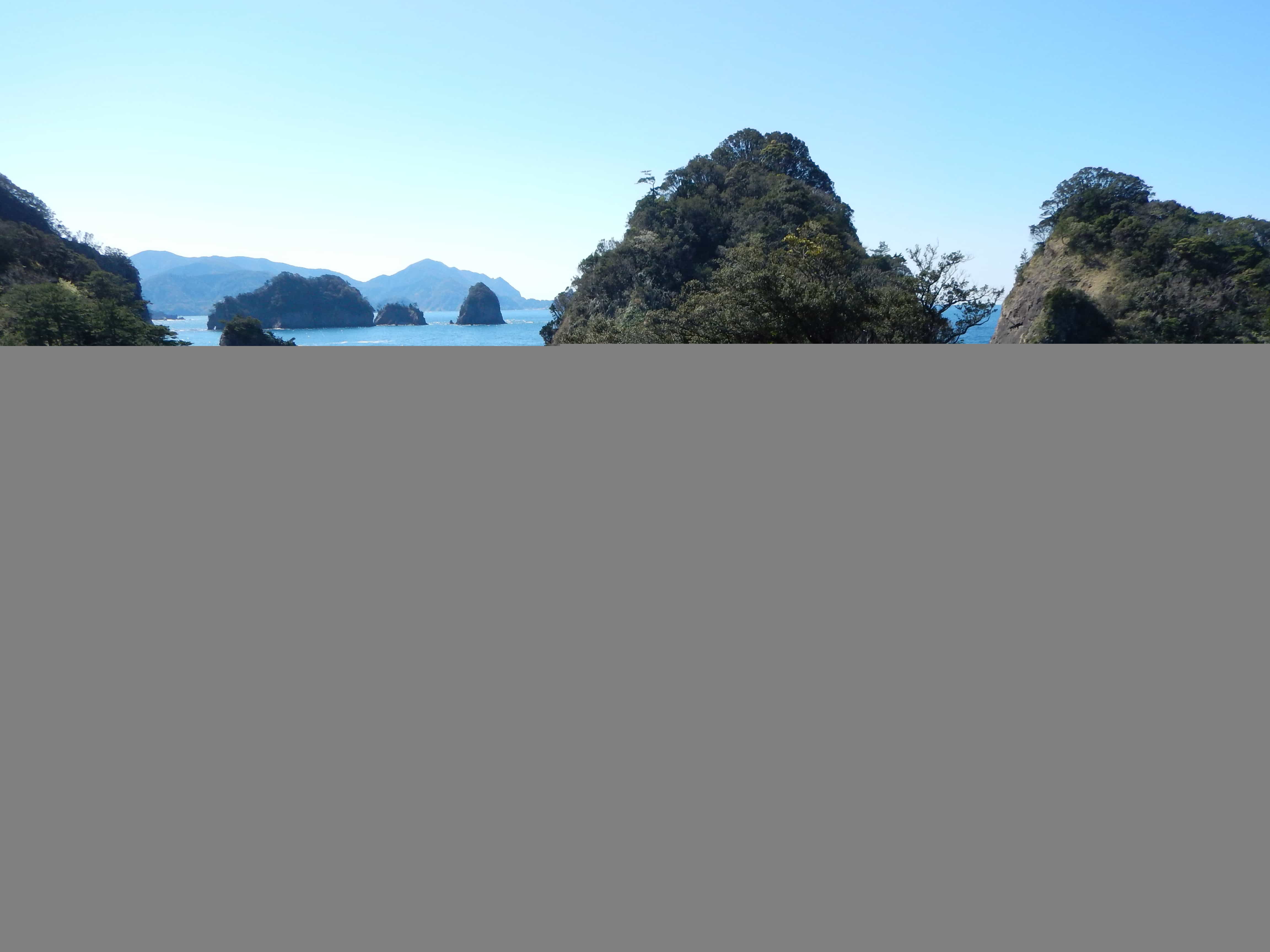
The Izu Geo Trail
On disastrous acquisitions and profitability
Discussing whether there could be a potential acquisition was perhaps the closest we came to discussing a corporate matter.
Using the ‘disastrous’ takeover of Jaguar by Ford in 1989 as a cautionary tale, Christie said that if Walk Japan were to be incorporated into a larger company, “I’d like to see us like Ben and Jerry’s… they still run themselves.”
He strongly argues that the danger with acquisition is the detrimental effect it often has on smaller businesses as larger corporations focus on maximising profit. They risk losing sight of smaller companies’ intrinsic value in favour of just their market value.
When it comes to profitability, Christie states the company is doing very well but is quick to add “that can’t be the sole motivating factor… When people ask what my business plan is, I say I honestly don’t think I have one. We’re working on a business that will be around in a hundred years. From that, what happens in the next week, month or year is much less important than what happens in five or ten years.
“All our growth has come from within the company. It’s meant a lot of sacrifices… we were working 7-day weeks for years, but we didn’t necessarily see it as work, we saw it as life.”
His position is clear. Profit should play second fiddle to a genuine passion for what the company stands for. In his eyes, Walk Japan is a community-driven business with a large focus on sustainability.
“We are actually revitalising the local community and it has many, many different aspects. One of which is [an] English language, dual education system. It’s also about providing labour to local farmers who are in their 70s… we’re revitalising forests, renovating houses, providing employment.”

A modern Japanese inn with a traditional onsen bath
All that talk of millennials – “claptrap”
While big companies seem hell-bent on finding the golden formula to give travellers the coveted ‘authentic, local experience’ on a large scale, Christie feels they have sadly lost sight of the bigger picture.
Recalling a conference he once attended, he remarked, “the travel business, from what I saw, was travel people talking to travel people… I don’t recall hearing what a customer thought.”
As larger players chase after millennials like a dog after its own tail, he bluntly declares “it’s all a bunch of claptrap,” continuing “I’m old enough to know that these terms aren’t complex at all. People are people. It shouldn’t be the guiding light. It’s an element in your thinking process.”
In fairness, Walk Japan’s key customer isn’t necessarily the ‘tech-savvy trust fund baby’, but rather an older league of individuals (typically ranging from 40-70 years old) with a fair bit of money to splash.
That is not to say Walk Japan has turned its back on embracing digital as a platform for growth. Most customers book direct via their website, they rely on word-of-mouth marketing and appreciate online press coverage like anyone else.
Winning over customers and local communities takes time
However, he also mentions a Japanese phrase, “tekizai tekisho”, meaning ‘the right equipment for the right place’. “We use the internet a lot… we’re an internet-based company.” But on the tours, “we don’t have a lot of technology because we don’t need it.”
So, like the tortoise and the hare, he advocates a ‘slow and steady’ approach to winning over customers and local communities.
“As a company, we’ve been going to [the same] traditionally run Japanese inn… for 30 years and even seen the grandchildren growing up. So seeing them is like going home. Our customers see how comfortable our tour leaders are there and it provides a nice ambience to the whole tour.”
It reminds us that while we can obsess over how consumers research, book online and use social media, the ‘travel experience’ itself exists entirely separately.
People do not travel for the sake of finding something to share online. They travel in the hopes of experiencing something that is worth sharing anyway.
The trick is, he said, “is to make sure that we’re adapting by making sure that the essence of our company still remains of value and keeps us who we are.”