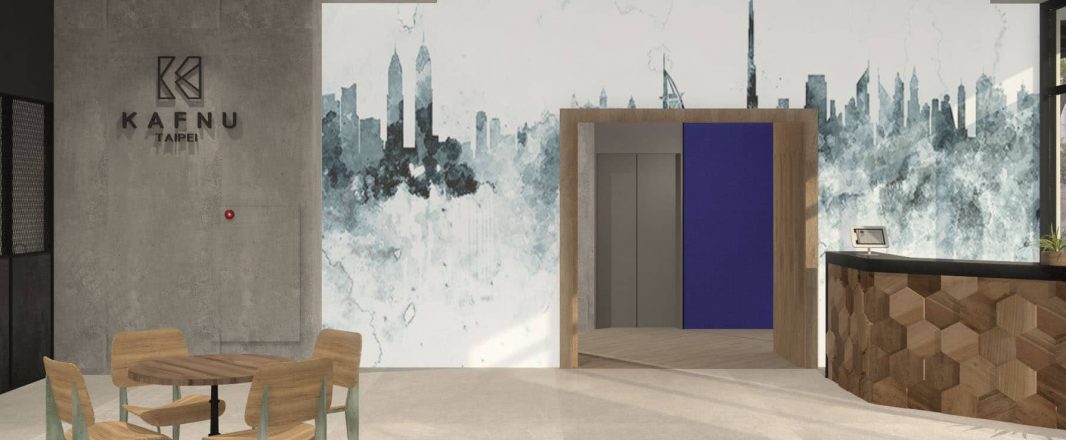
Next Story Group, formerly Silver Needle Hospitality, will be launching two spaces in Taipei and Hong Kong under a new brand, Kafnu, by year end. Seeking to reimagine urban spaces through technology and story, the company says the new spaces will synthesise “the best aspects of co-working, co-living, hotel, retail and private club”. Kafnu’s facilities include shared work spaces, meeting rooms, communal lounges and kitchen areas, private sleep pods, gymnasium with personal trainers, and a craft whisky bar.
Kafnu is named after a village in India where people go to start Himalayan hikes – a basecamp so to speak. Just like travellers go to Kafnu to begin their real journeys, Kafnu wants its spaces to be the basecamp for entrepreneurs, creators, and artists on their metaphorical journeys.
In the press release, Morris Sim, chief marketing officer of Next Story Group said, “The new generations in Asia live in shades of gray: working, playing, living, learning, and resting all blend together in their worlds. Kafnu is a concept designed precisely for their lifestyles. They have different needs, so we built a different space just for them.”
In this exclusive interview with WIT, Morris Sim, formerly CEO of Brand Karma which has been merged with Silver Needle to form Next Story Group, talks to WIT about the idea and intent of Kafnu and how it’s about bringing hospitality back to its real roots.
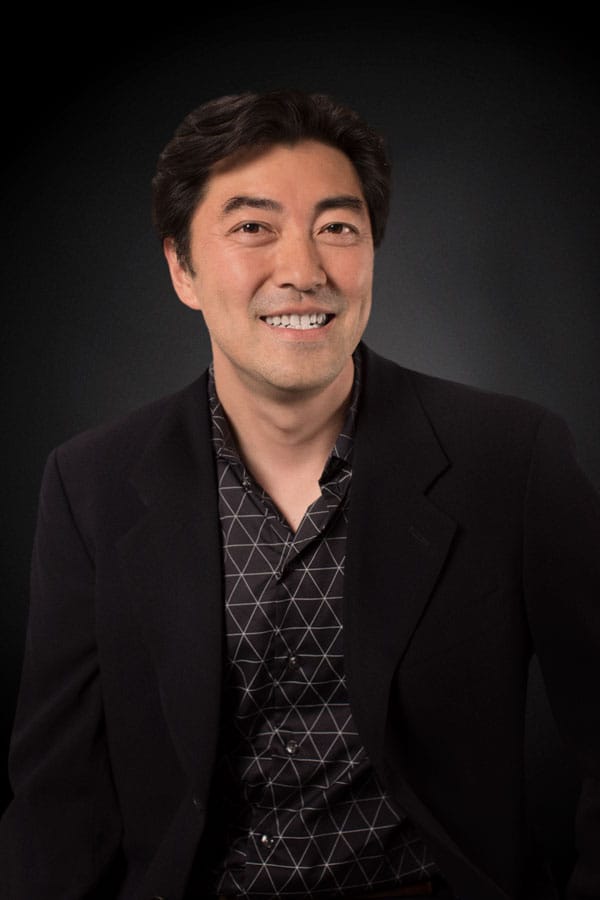
Morris Sim: “We have to ask, why has the sharing economy occurred? Why are there so many freelancing jobs? We have to reimagine what does it mean to build the right type of spaces and services for people who want to be part of something, and help them get there.”
Q: What’s the intent of Kafnu?
Kafnu is a brand that helps to accelerate the realisation of people’s dreams. We are trying to build something that you, as a person with aspirations, whether you’re a creative or a professional, will be able to meet the like-minded people who can help you, and where you can utilise the spaces and be inspired by them.
We’re taking a customer-centric view and asking the question, what does the customer need in totality and trying to cater to you, as a person overall.
Q: That sounds pretty similar to the intentions of co-working communities formed by companies like WeWork and, in Singapore, Spacemob. How do you differentiate from them?
We will provide more resources that are more targeted at certain types of people such as artists, craftsmen and entrepreneurs with certain aspirations. The others are more focused on office workers. What happens if you’re a chef and you run a few restaurants? Our services will be more comprehensive towards helping people realise their dreams and aspirations. We don’t always assume that what you need is a desk.
Q: Your first two spaces will be in Taipei, your hometown, and Hong Kong.
Yes, we will have a hub and spoke strategy. The hub will offer a lot more services and our first hub will be in Taipei, 12 floors covering 4,500 sqm. In Hong Kong, we will have 650sqm spoke space within the new Kerry Hotel in Kowloon. Because it’s located within a hotel, we will offer a subset of services that complement the hotel’s.
Q: This hub and spoke strategy sounds very similar to how airlines do it. Where will you have hubs vs spokes?
It depends on location, obviously it will be the right space for the right location but we plan to have more hubs than spokes, and it would not be out of the realm to have a hub and spoke in the same city.
Q: What’s the business model?
We’re looking at a membership model where as a member, you can use a variety of services or pay per use basis. These first two spaces, we’re leasing the space and running it ourselves. Membership fees will be announced closer to the actual opening in fourth quarter.
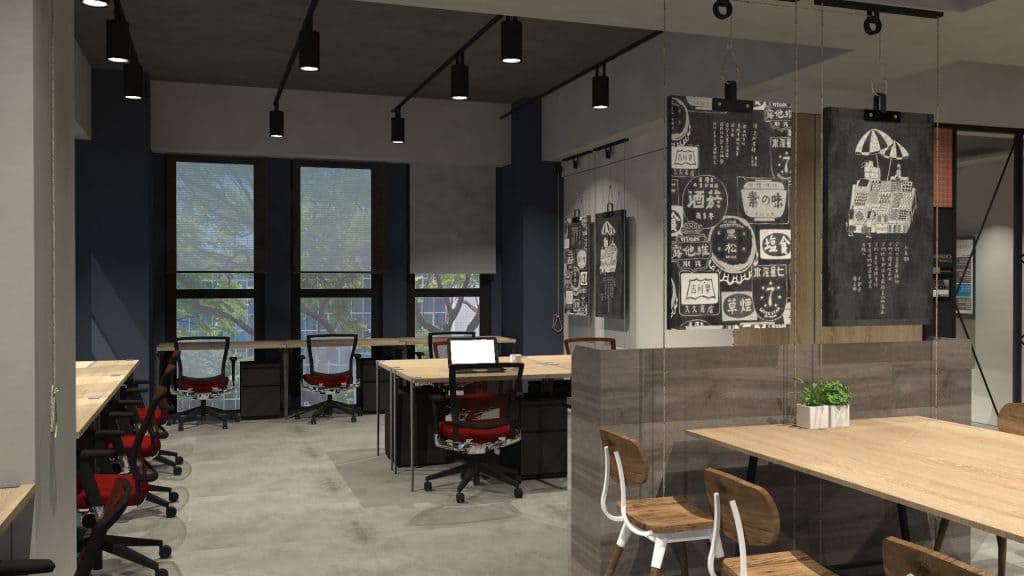
Kafnu Taipei, inspired by the idea of a vertical village
Q: How are you marketing it?
In Taipei, we will target entrepreneurial-minded people and lifestyle businesses and we have identified tech, design, media, and creative services to build up membership. We’re taking a transparent approach – for example, we are holding open auditions whereby aspiring entrepreneurial-minded people can apply to work for Kafnu as community managers.
Q: So you’re in a way crowd-sourcing for talent to fill jobs in Kafnu.
Yes. The talent that we need for Kafnu and the talent who will use Kafnu – we don’t see much difference between the two.
Q: Except of course, one pays you and the other, you pay them.
Yes, obviously, we want to have more that pay us to be part of Kafnu.
Q: What kind of customers are you going for?
People with a certain sense of wonderment about the world and destiny about themselves, that are not being fulfilled in the current workplace. We’re not thinking of age or gender – there may be older people whose careers have stalled …
Q: The vocabulary you are using – wonderment, destiny – are not usually used in the real estate or hospitality business. That’s more about square footage and return on investment.
I don’t see us as being just in the hospitality business anymore. Next Story Group’s value proposition is about managing spaces of any type, it’s a little out of the box and potentially in tune with a different mindset. We’re approaching it with the customer point of view. Real estate companies build often without the customer in mind. We have to ask, why has the sharing economy occurred? Why are there so many freelancing jobs? We have to reimagine what does it mean to build the right type of spaces and services for people who want to be part of something, and help them get there.
Of course, at the end of the day, it’s about business. You can manage real estate in a way everyone manages it – like hotels have been doing for a long time – but nowadays with technology, content and availability of real estate of all types, it does require a different approach – something more intimate, to bring the customer closer.
Q: Was there a model you learnt from?

Kafnu Taipei will be the first hub to open by year end.
We did a lot of market research in 12 different cities across Asia and ran focus groups to find out what they liked or didn’t like about the current spaces they use. If you think, in much of Asia, we always had villages, where we live in a community with other people and most of what you need is within that village. That village feeling is missing today. That was one of the inspiration – a vertical village – and Kafnu is that village.
Q: What’s the differentiation between Kafnu and Next hotels because Next is also gunning for the new generation travellers? Will Kafnu customers also be Next’s customers?
They might or they may not. We don’t know that yet. We think of the sleeping spaces in Kafnu more like bedrooms in a friend’s house rather than a hotel room.
Q: Personally, how has the transition been from running your own company as CEO to becoming CMO of Next Story Group?
I started my career as a product developer. In Brand Karma, we also built products before we got into consultancy. So the transition has been relatively easy because here we are developing a concept/product. It’s rewarding to take some of what I have learnt and match it with what I know about customers today.
Too often in the hotel industry, marketing is often an afterthought – you get the product after it’s built. Here, the difference is we do the marketing first and marketing has shaped the product. That’s fulfilling.
Q: What are the challenges you’ve had to overcome trying to reimagine urban spaces in a company which may have changed its name but still has hospitality at the core of its DNA?
Hospitality didn’t used to be a real estate business, it was about understanding the customer and providing services. Our transition is about going back to the roots of hospitality – how do we put customers in the middle of everything, rather than an ROI on per square metre? It’s been an interesting transition – Silver Needle is an efficient operator of hotels but in order for us to move to this decade and the next, we need to relook at the customer.
Q: How many Kafnus are planned? Which cities are prime targets?
Other than the two confirmed, we have a few in the pipeline. The key is we are expanding into North Asia, which is a new territory for the group.
Q: Finally, what do you think of what’s happening in the user review and reputation management space currently? You sold your tool to TrustYou which has been acquired by Recruit. ReviewPro has also been acquired.
Customer feedback in social media channels will always be important but the technology that can collect and analyse the data which was once unique and different is now commoditised and so if you’re still a player in the reputation management space, it makes sense to form alliances to become part of something bigger, or come up with something new.
For Brand Karma, we were one of the first but we knew there were others who could have the technology, which is why we added consultancy services on top of the data. I am glad most of the reputation management companies have become part of something bigger.
Watch video explaining the Kafnu concept.