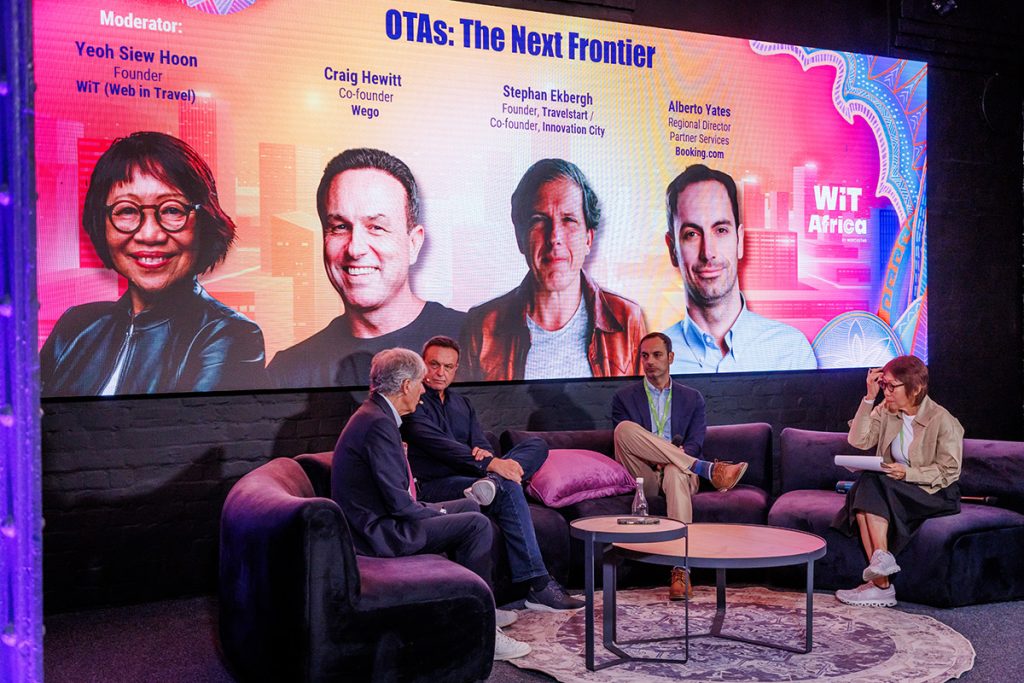
Three OTA veterans take on the existential question: in a world reshaped by AI, geopolitical disruption, and the complexity of African markets, what does it mean to be a travel platform – and does the name even matter anymore?
The panel, “OTAs: The Next Frontier”, opened with a show of hands. How many in the room believe that in 10 years, travellers would still open an OTA app to book a trip? A few hands. How many thought they’d just ask an AI agent instead? Most of the room.
Stephan Ekbergh, chairman of Travelstart, questioned the label of OTA itself. “I’m not even sure we will talk about OTAs in the future,” he said. The browser, he suggested, will likely disappear. What replaces it is an interface people can’t see or touch – an agent of some kind – and the question becomes: who does the plumbing underneath?
“Somebody will have to do all the payments and stuff like that. Somebody will have to service the customer. Do we call that an OTA? I don’t know.”
His point was that the function persists even if the form doesn’t. The deep connectors to suppliers, the operational infrastructure, the customer relationship – none of that gets dissolved by a chat interface.
Alberto Yates, regional manager, EMEA for Booking.com, framed AI as an accelerator rather than a replacement. OTAs, he argued, remain the layer that connects the full journey — flights, accommodation, transport, attractions — and that role doesn’t disappear simply because the search interface changes.
“It’s not OTA or AI. OTA together with AI is more of an accelerator.” Craig Hewett, co-founder of Wego, made the case most pointedly for OTA differentiation.
Wego, he said, has built a fare-shopping database specifically handcrafted for the Arabic-speaking Middle East – local airline agreements, NDC connections, a proprietary way of surfacing fares that are genuinely relevant to that audience.
“There’s a secret sauce in how we discover and surface fares. That is going to be our role.”
Local fintech solutions — local entities, local payment clearing houses — mean Wego functions as a fintech player as much as a travel platform in the markets it serves.
But the sharpest point he made was about customer ownership. In a world of agent-to-agent AI transactions, nobody is certain who holds commercial responsibility when something goes wrong.
“I think everything goes back to trust. What do you expect if something goes wrong? If you excel in customer service and get positive signals around trust and reliability, agentic AI will always come back to you as the service provider.”
The brands that own that relationship, he argued, will remain relevant regardless of how the search interface evolves.
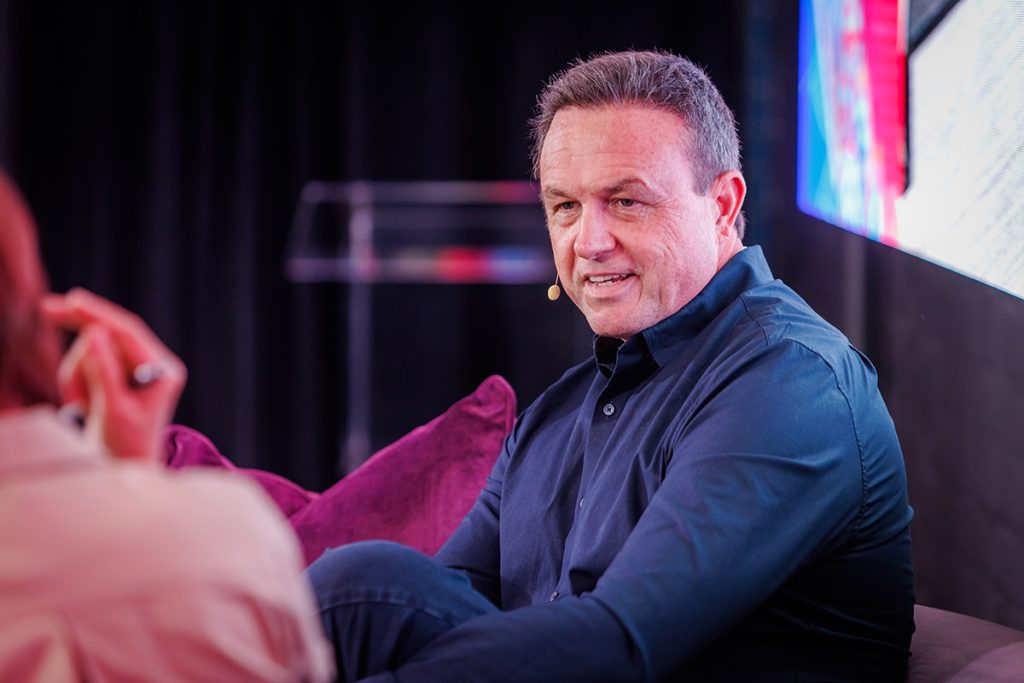
Craig Hewett, co-founder of Wego: “It’s not OTA or AI. OTA together with AI is more of an accelerator.”
A drone attack, a crisis and a lesson in customer service
Indeed, Wego’s zeal to double down on its customer service is a direct result of what happened on February 29 when a drone struck an AWS data centre in Dubai, wiping out the customer service technology platform that its entire operation was sitting on — all data stored in a single location.
With an estimated 20,000 customers needing to make contact within a fortnight, the team had to rebuild connectivity from scratch.
“We went back to analog in a way,” Hewett said. “Our engineering team jerry-rigged a hack to get people to reach us.”
A 24-hour war room ran for weeks, drawing in staff from across the whole organisation, not just the customer service team.
“We came out of that with all the signals pointing to the fact that Wego came out stronger than before. Because by the time the next AI model comes through, if we had negative reviews in the market, it would impact our trust and reliability in the next iteration.”
That crisis reinforced its belief that in disruptive times, in particular, getting customer service right is king, which means, getting the interplay between man and machine right.
The Middle East Disruption
All three panellists are feeling the effects of the Iran-US tensions rippling through Middle East travel corridors.
Hewett described it as an overnight impact – currently at roughly 45% disruption. Wego has pivoted toward domestic travel in Saudi Arabia, the Egypt market, and Hajj and Umrah — religious travel that, as he noted in an earlier session, remains largely insulated from geopolitical volatility.
Yates described a broader pattern of shifting corridors rather than wholesale collapse: long-haul bookings contracting, proximity travel growing, forecasting becoming structurally harder. “Every year, regardless of what’s happening, there are things impacting the business — and yet the travel industry is very resilient.”
“You see all this drone footage on X about what’s happening at Dubai airport, and people still fly Emirates. I don’t get it. It’s true, you know – where there’s life, there’s travel.”
Ekbergh, whose business was hit hard by the temporary shutdown of Qatar airspace and Emirates disruptions, found an unlikely bright spot: “It’s actually a pretty good time for Rwanda Air, Ethiopian, Kenya Airways. People are getting to try them, and those prices are going through the roof.”
His broader read on traveller resilience was characteristically blunt: “You see all this drone footage on X about what’s happening at Dubai airport, and people still fly Emirates. I don’t get it. It’s true, you know – where there’s life, there’s travel.”
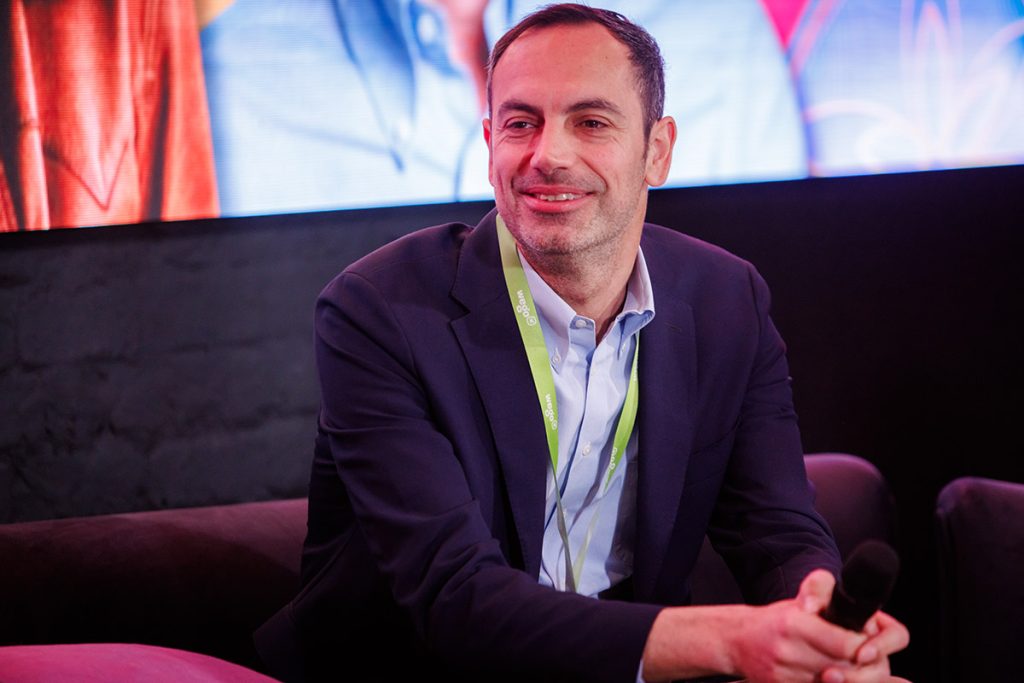
Alberto Yates, regional manager, EMEA for Booking.com: “Every year, regardless of what’s happening, there are things impacting the business — and yet the travel industry is very resilient.”
Africa: Not for the faint-hearted
The conversation turned to Africa’s specific opportunity and complexity. The honest answer from all three: enormous potential, formidable barriers.
For Wego, payments remain the primary obstacle to scaling on the continent. “For us to make Africa work in markets like Nigeria or Kenya, we need to set up local entities to handle local payment clearing – the FX spreads and payment fees are exorbitant relative to our margins.”
Without a fintech partner able to act as an orchestrator across African markets, the economics don’t hold.
Ekbergh spoke from two decades of battle scars. Travelstart launched early in Tanzania, built a strong operation — and then watched new legislation prohibit foreign ownership in travel-adjacent companies. Nigeria followed a similar path.
“That kind of uncertainty doesn’t make you feel good when you think about investing.” His conclusion: deep, scattered presence across 15 African countries produces less return than concentrated investment in one or two markets done properly. “If we take the time and double down more in South Africa, we’ll do a hell of a lot more.”
Yates acknowledged that payments remain the single biggest unsolved problem for a global player operating across Africa’s fragmented markets. South Africa is performing strongly for Booking.com – UK, German and US inbound travel all growing, domestic travel resilient – as are Kenya and the Indian Ocean Islands. Nigeria remains complex. “It’s solved in some countries, but not in all the countries where I’d like it to be solved.”
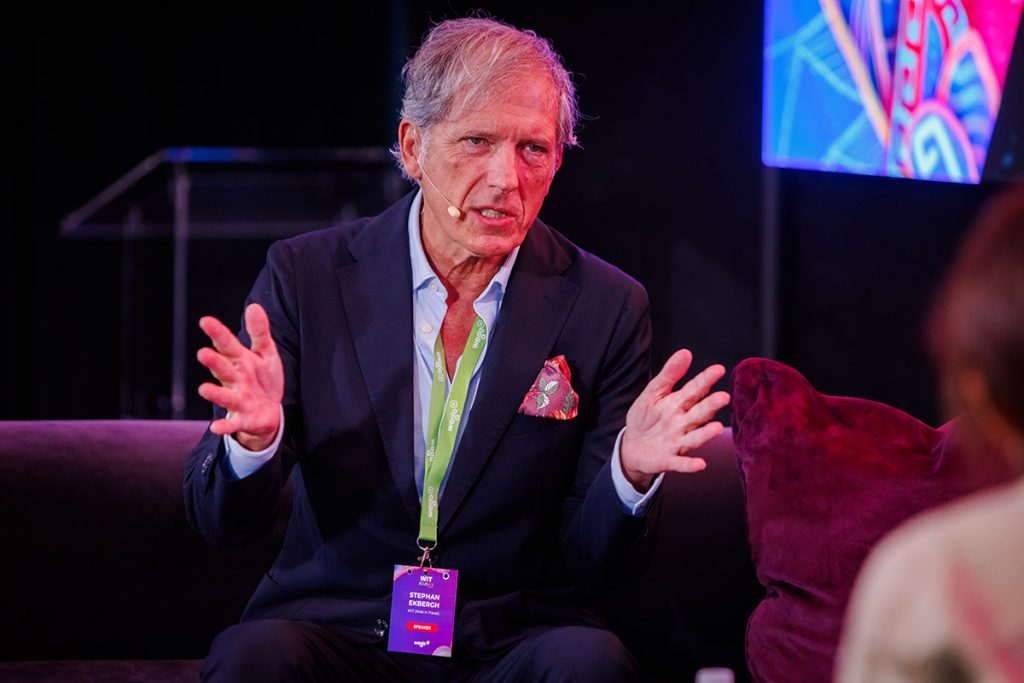
Stephan Ekbergh, chairman of Travelstart: “I’m not even sure we will talk about OTAs in the future. Somebody will have to do all the payments and stuff like that. Somebody will have to service the customer. Do we call that an OTA? I don’t know.”
The local advantage and the “enshittification” risk
Asked to name the one advantage the other had that they lacked, the answers were revealing. Hewett pointed to global scale and noted that Wego is actively closing that gap by launching pay-at-hotel inventory through a partnership with Booking.com, enabling global hotel distribution without taking on payment risk.
Ekbergh, when pushed on Booking.com’s advantage, offered an unexpected answer: intentional velocity. “It’s not just speed – it’s doing one thing very well, finishing that thing, then starting another. That’s very complex for a large organisation.”
“Local always wins if you do it well. And that’s my thinking around AI too – what can we do that AI can’t really do?”
– Stephan Ekbergh, Travelstart
Ekbergh also issued a more pointed caution about the risks of scale – what he called, with cheerful bluntness, “enshittification”.
Large platforms chasing perpetual growth, he argued, risk becoming less useful over time. “Look at Google — fantastic 20 years ago, sort of good 10 years ago, today you have to wade through AI answers, paid results, SEO noise before you find something decent. A big company that wants to be everything for everybody might enter that stage. I’m not saying Booking is there yet but there’s always a risk.”
Yates, to his credit, took the point in good spirit and turned it back to the core proposition: “People like to find, not to search. The winner in the next decade is whoever makes the connection between traveller intent and the right result as fast as possible.”