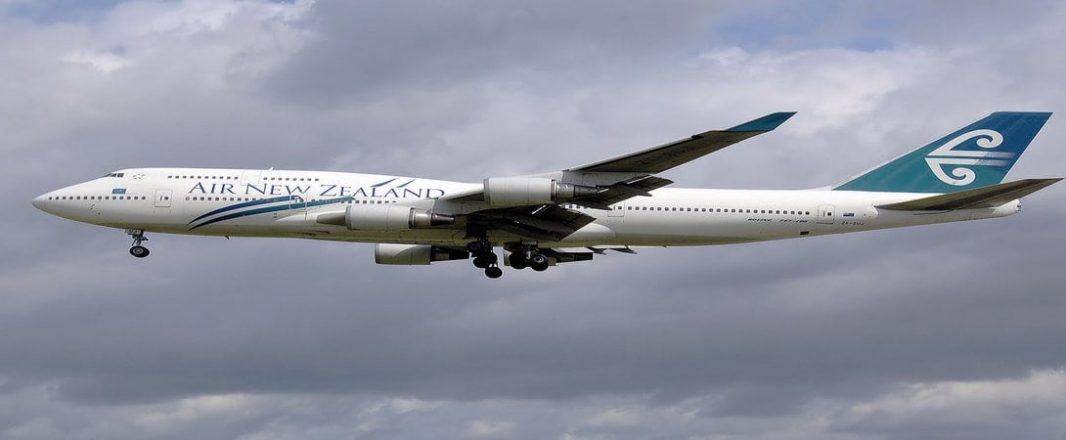

The first ancillary fare the carrier will make available to Sabre Connected travel agents is pre-paid bags. It has plans to add more ancillaries into the Sabre GDS.
“Air New Zealand is looking forward to growing its ancillary sales through Sabre,” said the airline’s spokesman, Richard Thomson.
Pictured left: Sabre’s Hans Belle
Known for its innovation Air New Zealand was the first carrier to introduce the concept of merchandising its products within “fare families” in 2002. It enhanced the ability for agents to sell those fare families through the use of Sabre Branded Fares in 2010.
Sabre’s merchandising solution leverages on industry technology standards developed by ATPCO to file airlines’ fares and ancillaries, and IATA’s standard to fulfill purchases via EMD. I
Apart from helping airlines quickly bring new products and services to the marketplace, the solution also allows travel agents to easily market and sell airlines’ offerings by efficiently managing the increasingly complex world of comparison shopping.
Select travel agents are currently testing the solution. With ARC certification completed select travel agents are testing the solution in the United States.
Sabre is completing BSP certification for Australia and New Zealand, and will begin agency testing once BSP certification is complete.
Hans Belle, vice president and general manager of Sabre Travel Network-Asia Pacific, said the company’s focus is to develop innovative solutions, which meet the needs of its travel agency and airline customers.
“Expanding our merchandising capabilities is another way we help airlines increase revenues and get closer to their customers, while maintaining the streamlined operational efficiencies important to travel agents.”