As border restrictions ease, BeMyGuest founder wants to get back to travel
ONCE in travel, always in travel, it is said. And that seems to be the case with Clement Wong, who left the industry four years ago after he exited from tours and activities technology platform, BeMyGuest.
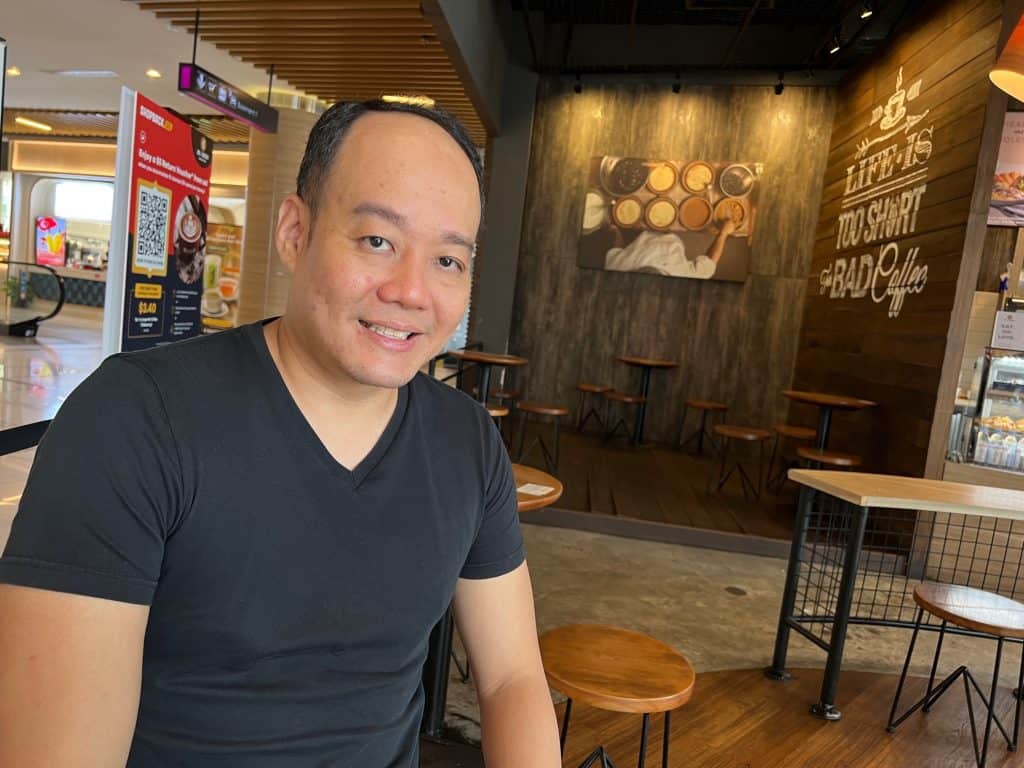
Clement Wong: Huge opportunities for travel in social commerce in the Philippines. “They are not hesitant to spend on dining and experiences, but they will save on hotels and flights.”
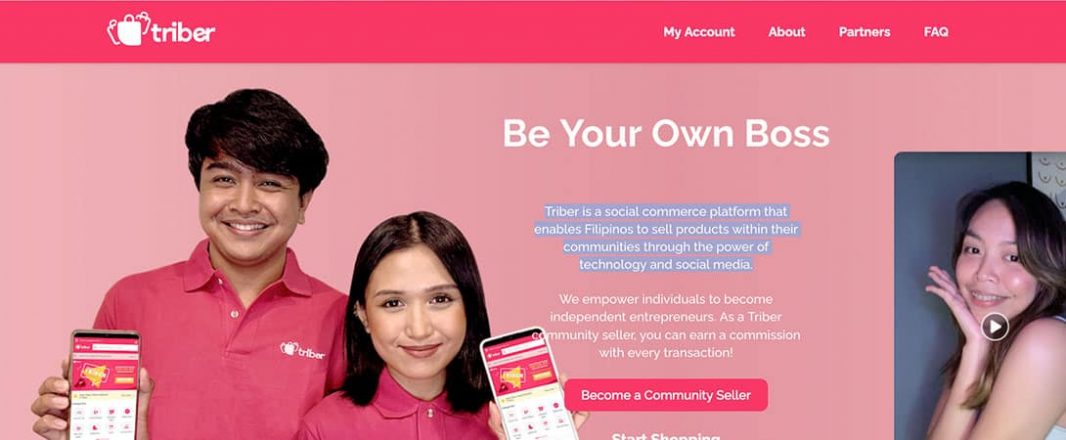
His new social commerce startup Triber in the Philippines is turning its sights to travel now that travel’s back in full swing in one of South-east Asia’s fastest growing and dynamic e-commerce markets.
“We have started to explore going into the travel vertical because travel has rebounded and travel is my first love. There is a huge opportunity to sell attraction tickets and tour packages on our social commerce platform,” he said.
Wong set up Triber about two years ago to ride on the pandemic-induced e-commerce wave, focused on live streaming and social commerce, and he chose the Philippines with its 110 million population because, as he recalls it, “during my BeMyGuest days, an investor told me don’t start in Singapore, it’s too small a market”.
Wong’s interest in live streaming and social commerce was stirred when he worked at Lazada, the Alibaba-owned marketplace, and oversaw the digital goods category, which meant selling items such as attraction tickets and dining vouchers.
“During the pandemic, consumers turned to digital in a massive way. I saw how the earlier experiments in social commerce worked with live streaming and working with influencers,” he said. In particular, he was inspired by a report that said that in March 2021, Pinduodo, the Chinese social commerce site, surpassed Alibaba for the first time in annual active users. “That was quite an eye-opener,” he said.
Feeling he was ready for another startup after 18 months with Lazada, he raised seed funding to the tune of S$2.5 million to launch Triber in the Philippines in March 2021. He chose the Philippines because he had seen how it was Lazada’s best-selling market for his category plus, he was also familiar with the market given BeMyGuest, the startup he founded in March 2012, had operations in the country.
According to this report in its Q1 2022 update, the social commerce industry in Philippines is expected to grow by 30.4% on annual basis to reach US$681.6 million in 2022 and US$2,744.5 million by 2028.
“In the midst of the growing number of consumers flocking to social media platforms to discover and purchase products from social networking sites, the social commerce industry is gaining increasing ground on traditional e-commerce channels and physical retail outlets in the Philippines. The sheer amount of time spent by consumers, especially younger generations, on social networking platforms is making social commerce one of the fastest-growing trends in the Philippines,” it said.
The Philippines, along with India, is also tipped to lead the world in retail e-commerce sales growth in 2022, with respective increases of 25.9% and 25.5%, according to this report from Insider Intelligence.
Triber now connects 5,000 community sellers with 1,000 merchants. It runs community events as well as create stores for its sellers on Facebook. It also uses other social platforms including Instagram and TikTok.
Business soared during the pandemic. The Philippines had one of the strictest, most prolonged lockdowns in South-east Asia. Today, despite the liftingof restrictions and life returning to normal, Wong said it has not seen a drop in livestreaming. “Now that they are back in the office, people are stuck in traffic so they spend a lot of time on social media,” he said.
Another big shift he’s seen is in payments. Prior to Covid, it was 98% cash on delivery, now it’s 55% through digital wallets.
“The Philippines is a highly social market. During the pandemic, people invested in connectivity because they had to work from home. Now they are no longer watching television, but spending time on other screens,” said Wong.
According to the latest Digital 2022 report of social media management firm Hootsuite and creative agency We Are Social, the Philippines ranked second on the list of countries whose citizens spend the most time on the internet and social media.
On average, internet users aged 16 to 64 scattered across the globe spent an average of 6 hours and 58 minutes using the internet each day on any device. Meanwhile, internet users in the Philippines in the same age range spent an average of 10 hours and 27 minutes connected to the internet each day within the last 12 months.
Wong admitted that since the global tech meltdown, it’s been more challenging for consumer-facing e-commerce businesses like his to raise funds but he’s looking for ways to expand Triber into sectors such as micro-lending and financial services, health care as well as travel, where he believes his past experience will be put to good use.
“The Filipinos’ consumption behaviour is very much like the Americans’ – on payday, they spend everything, it’s live for today. Local attractions sell well and in places where they travel to, such as South Korea and Singapore. South Korea is the Philippines’ top outbound destination.
“They are not hesitant to spend on dining and experiences, but they will save on hotels and flights,” he said. “I am also excited about healthcare, which is a huge sector, and one of our strategic investors is in health care.”
Wong has learnt a lot through this transition from BeMyGuest’s B2B world to the B2C universe. “It’s definitely faster. Compared to travel which is two or three times a year, this is everyday. The customer life cycle is short and fast and because it’s social, a bad experience goes viral pretty quickly. We also have to deal with logistics too, delivery, which can be a nightmare in the Philippines as you can expect.
“The thing is, though, I miss travel extremely.”