“The gladdest moment in human life, me thinks, is a departure into unknown lands.”
What a way to describe the essence of travelling. With the benefits that come with travelling, such as learning about other cultures or just pure relaxation, it is no surprise that we are travelling more than we did before. According to the World Tourism Organisation (UNWTO), there were 46 million more overnight travellers internationally in 2016 compared to 2015 and international tourist arrivals have grown by 3.9 percent to reach 1,235 million[1].
This number is set to increase even more with UNWTO projecting a growth rate of 3 percent to 4 percent globally for 2017 alone. Moreover, Asia-Pacific (APAC) households like China, Hong Kong and Singapore could make up the top markets in the region with the largest overseas travel spend by 2025, with Singapore expecting to double to almost USD$45 billion[2]. To maximise the regional growth opportunity, brands that target travellers need to find ways to resonate with them. The key to that is their smartphones.
- “Speak” Through the Smartphone
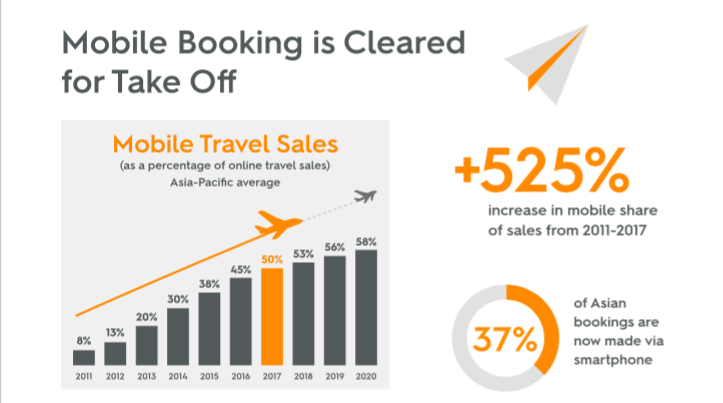
Criteo’s The New Asian Digital Traveller research report, which was launched in July this year, predicted that smartphone penetration rates will continue to increase till 2020, with Taiwan, Singapore and South Korea leading the way at 82 percent. Vietnam is forecasted to have the highest growth in the region. This will impact travel research and booking behaviour in a significant way.
The prime reasons for increased smartphone use are “the ability to surf on the move,” “convenience over using desktops or laptops” and “the ease of comparing travel products and services.” This means that a mobile-led digital strategy must now be a prerequisite for initiating engagement.
For example, if a traveller is left stranded due to sudden closure of a tourist site, they might most likely conduct a search instantly on their mobile phones to check out other options. In addition, if a restaurant or tourist site offers app-specific perks like promotional offers or exclusive products and services to app users only, one might be more compelled to visit those establishments compared to those who do not have such offers.
In response, it is imperative for brands to invest in apps that are user-friendly and populated with relevant products and services for travellers to discover – all while including allowances for flexibility and change.
- Know Your Traveller Through Machine-Learning Technology
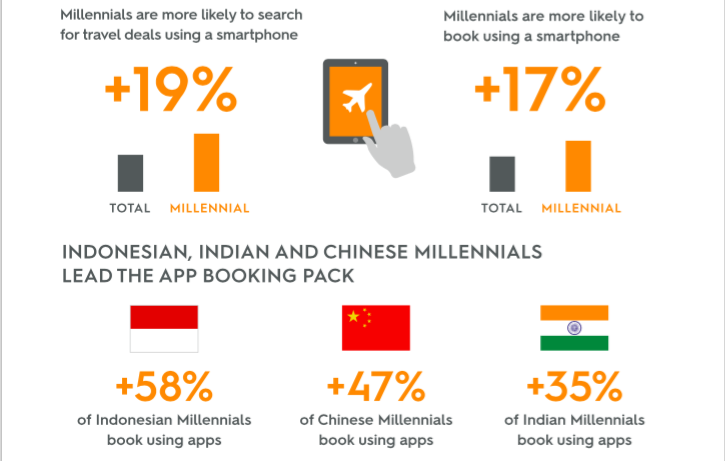
With smartphones being present from a traveller’s pre-trip (researching on what to do) to post-trip (uploading throwback posts) journey, knowing their browsing patterns will allow brands to tailor their products and services to address personal preferences. Brands can tap on data-driven solutions that track online navigation patterns, geographical location and seasonality data to better understand and engage consumers.
To derive an understanding of what a traveller would want or need the most, brands can also utilise intelligent machine learning technology. Machine learning technology automatically computes the abovementioned data, be it on the web, mobile web or mobile apps. Brands can then use kinetic design technology to ensure that the visuals and products featured on each ad are tailored to match the display context and specific phase of that particular traveller’s buying journey, in real-time.
Let’s say an individual is planning to travel to New Zealand, your brand can be the one that introduces him or her to the possibility of skydiving 15,000 feet in Lake Taupo, tasting wine in Hawkes Bay or living in a farmhouse surrounded by dozens of sheep.
Experience Travel the Same Way as Your Travellers
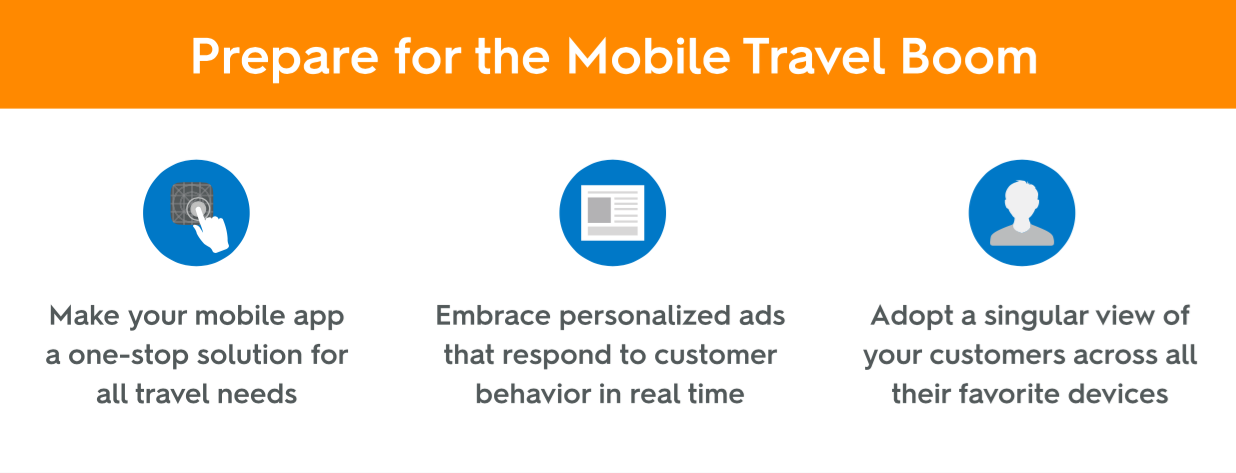
For travel brands, the struggle sometimes is knowing how to sustain a digitally-led campaign after kickstarting it. Data-driven machine-learning solutions allow travel businesses to personalise offerings for each individual, optimise their advertising budgets and achieve targeted business outcomes. At the same time, travellers will be able to benefit from the type of experiences brands are offering them to create unique moments for themselves.
For more statistics and information about Criteo’s The New Asian Digital Traveller research, download the full report here.
[1] World Tourism Organisation. Sustained growth in international tourism despite challenges. 2017.
[2] Visa. Mapping the Future of Global Travel and Tourism in Asia Pacific. 2016.