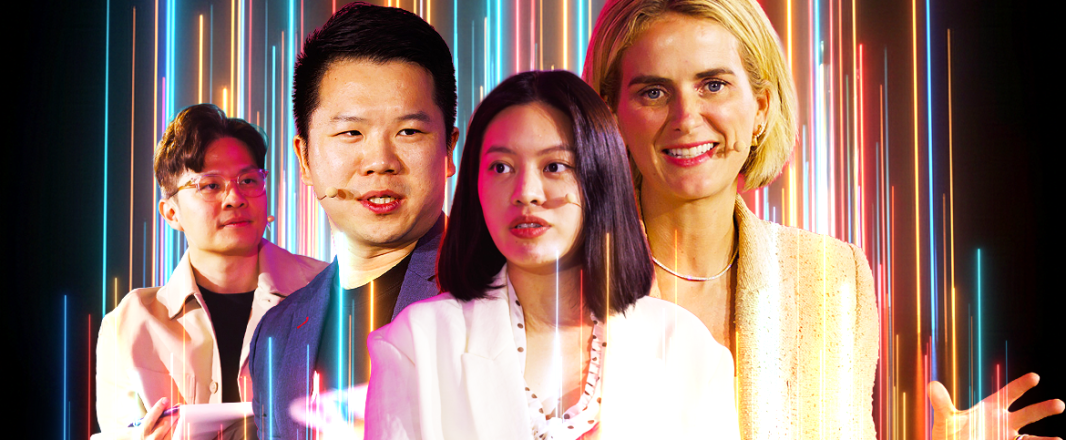
At WiT Singapore, the post-lunch lull didn’t stand a chance. Moderator Marcus Yong, VP of Global Marketing at Klook, bounded onto the stage with a grin and a promise: “Let’s shake things up a little.”
What followed was a fast-moving, sometimes fiery, always fascinating conversation between four voices at the intersection of technology, content, and culture – Eason Zhang of TikTok, Barry Smith, co-founder, Skyscanner and now running Noah Media Group, Hermione Joye of Google, and Prestine Davekhaw, a documentary photographer who has built a following by chronicling disappearing cultures.
The session,“The Social Surge: Discovery, Influence & Commerce”, dissected how short-form video, AI, and the creator economy are rewriting the way travellers dream, decide, and book.
From search to scroll to seamless
When Marcus asked each panellist to describe the future of travel discovery in one word, the answers painted a snapshot of the new landscape: “One-click,” said Eason. “Storytelling,” said Barry. “Personalisation,” said Hermione. “Local cultures,” said Prestine.
For Eason, “one-click” summed up the TikTok vision of a frictionless journey from inspiration to transaction. “From discovery to consideration to booking, it should be seamless – one click away,” he said. “You see what you want to experience, and you book it instantly.”
The next evolution, he added, lies beyond video — toward immersive formats like live streaming, VR and AI-powered previews. “Imagine trying on a destination before you go,” he said. “That’s the next frontier.”
Hermione countered with Google’s broader lens: while social drives inspiration, search remains the backbone of intent. “Eighty percent of APAC travellers still use search,” she noted. “But searches are now two or three times longer – travellers are more specific, more contextual. It’s no longer just ‘hotel in Bali,’ it’s ‘a hotel with a pool that fits three kids and is gluten-free friendly.’”
Her crystal ball? Voice.
“Voice will become critical. With Gemini Live, we’re already seeing how people interact naturally with AI — and it’s the older generation leading the way.”
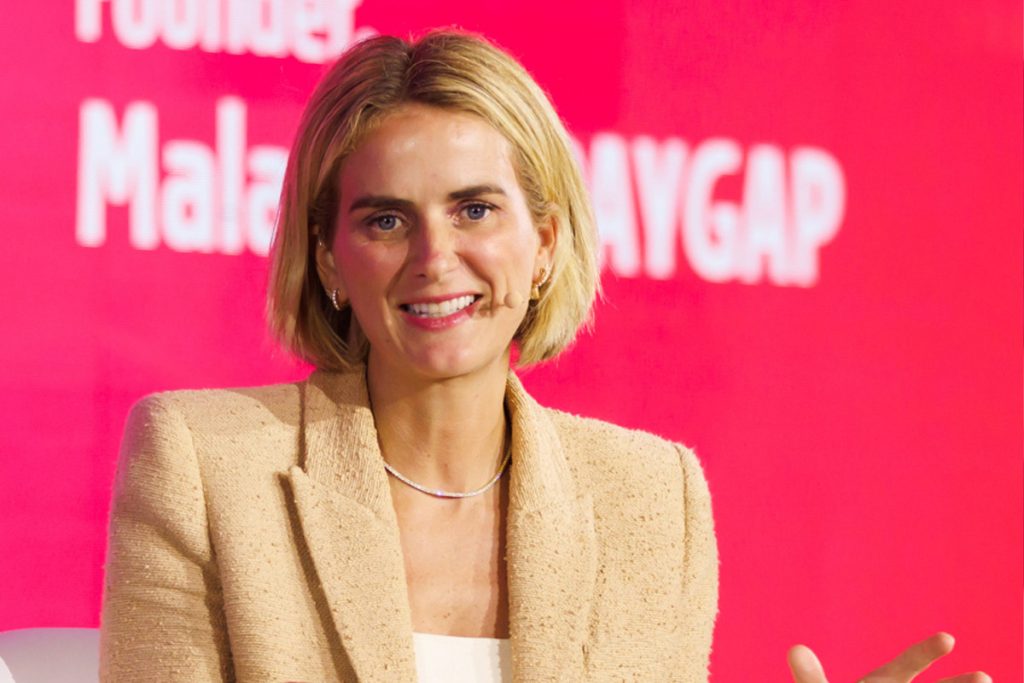
Hermione Joye: Eighty percent of APAC travellers still use search. But searches are now two or three times longer – travellers are more specific, more contextual.
Influence: Where inspiration meets intent
Marcus next posed a provocation: “Rate this – social is where the entire travel journey begins, unfolds and ends.”
The panel split sharply.
Prestine gave it a 10. “The first desire to travel comes from social,” she said. “People are inspired, aroused. Without that spark, most wouldn’t even know where they want to go.”
Hermione shot back with a two. “Travellers use over 20 different platforms to plan and book. Social is one piece – not the whole journey.”
The tension revealed a deeper truth: social is the spark, not the whole fire. It creates desire but doesn’t necessarily sustain it. As Barry put it later, “Scrolling is planning, but trust is what converts.”
That trust, he argued, is earned through storytelling, not spam. “People are weary of advert after advert. To retain them over time, you need human connection. That’s what keeps them coming back.”
He recalled how his previous startup Skyscanner once chose transparency over profit by showing airline options that didn’t pay commissions. “It cost us in the short term, but long term it built loyalty. The user had to trust that what we showed was real.”
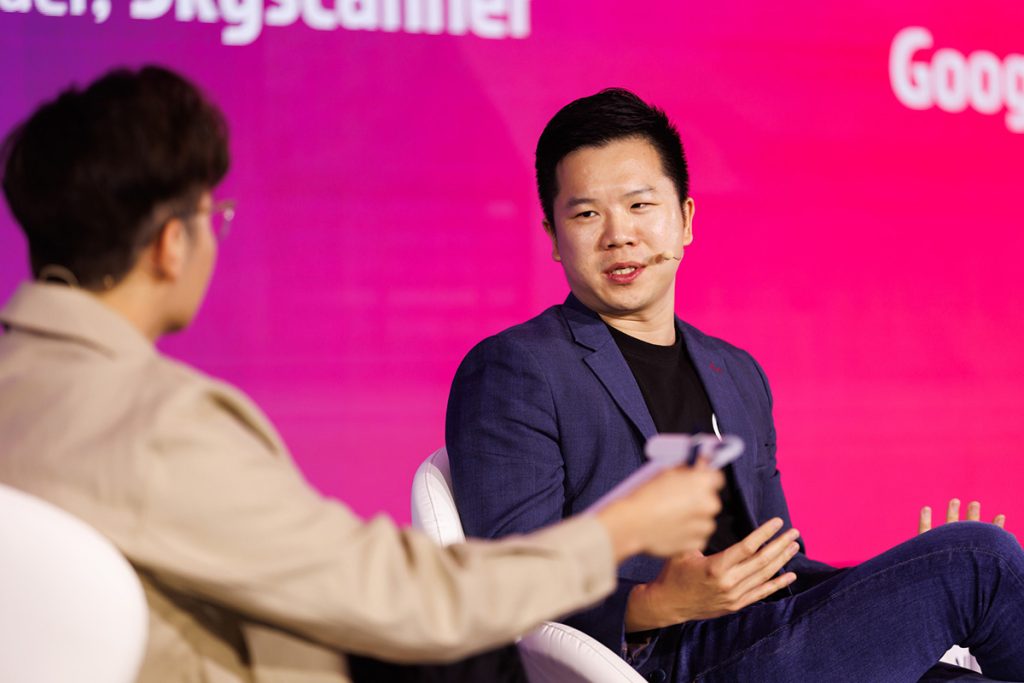
Eason Zhang: From discovery to consideration to booking, it should be seamless – one click away. You see what you want to experience, and you book it instantly.
AI, authenticity, and the human heart
If trust is the new currency, then AI is both its accelerator and its test.
Marcus asked Prestine whether she ever lets ChatGPT help craft her captions. Her answer was an emphatic no. “AI can copy almost everything – that’s why it’s easier now for storytellers to stay authentic. I only use GPT to fix my grammar, but even then, it steals a bit of the humanity.”
Eason smiled and disagreed. “AI can help creators do the heavy lifting – make 30 videos instead of 10 without losing their personality. You still add your character; AI just scales your creativity.”
Between her slow, analogue lens and his algorithmic optimism lay the defining tension of the new creator era: how to balance purity with productivity.
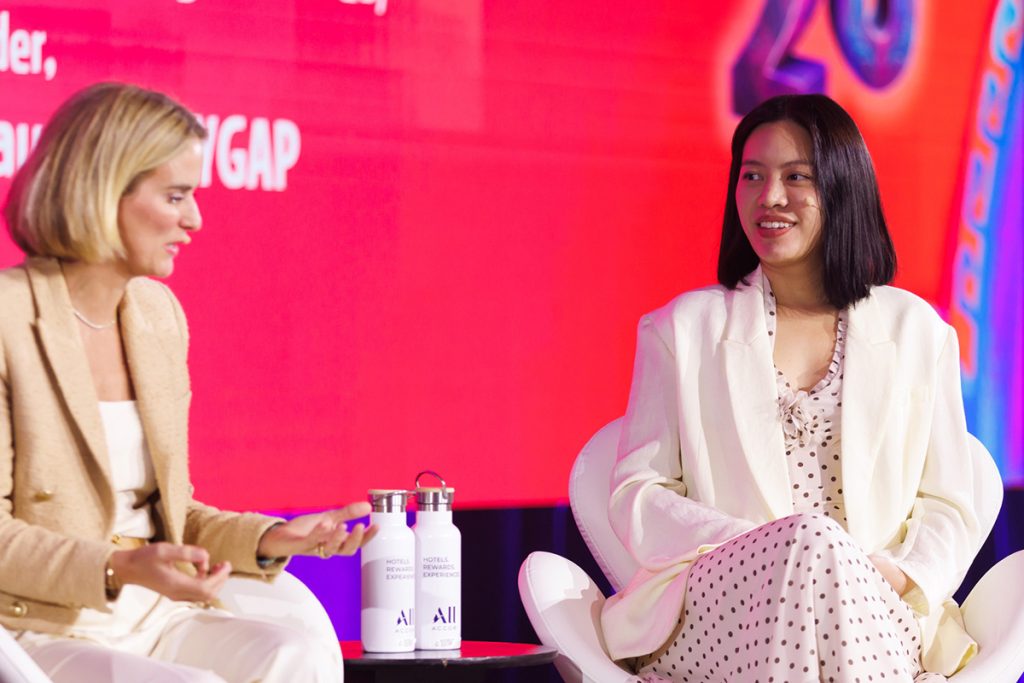
Prestine Davekhaw: AI can copy almost everything – that’s why it’s easier now for storytellers to stay authentic. I only use GPT to fix my grammar, but even then, it steals a bit of the humanity.
The commerce connection
Barry called it the “Maldives problem.”
“You see a stunning video of a beach, you want to go, but when you land on a travel site, it asks which atoll you want – 26 of them! The connection between inspiration and booking is broken.”
He argued that the next big opportunity lies in bridging discovery and commerce “with discovery happening anywhere, booking must be everywhere.”
He cited Expedia Group’s partnerships with Beautiful Destinations (bookable social content) and Perplexity (AI-driven conversational search) as early glimpses of that bridge.
Marcus linked it to the rise of shoppable reels – the holy grail where a TikTok or YouTube Short could lead directly to a purchase. “The seamless integration between platforms is the new plumbing of travel,” Barry agreed.
The next wave: AI agents, taste maps, and empty maps
When asked what travel brands should do to prepare for the future, Hermione urged: “Look at the magnitude of consumer desires today and make data-driven decisions for tomorrow. It’s like buying a stock before it peaks.”
Eason brought it back to fundamentals: “Stay true to your mission. At TikTok, it’s inspiring creativity and bringing joy. Don’t get distracted by the noise.”
Barry was blunter: “If you’re not using tools like Copilot, you’re wasting a day a week. We’re at day one of this AI revolution and those who don’t adapt will be outpaced.”
Prestine closed on a more soulful note: “I hope travel brands work more with local communities. These might be the last 20 years to preserve disappearing cultures before they’re gone.”
Finally, Marcus threw out one last challenge: If you could build one travel feature powered by social and AI, what would it be?
- Prestine envisioned a “travel DNA” – a taste map that connects like-minded travellers and experiences.
- Barry wanted an AI travel agent that “knows me better than my wife” and takes him from a video to a frictionless booking in one click.
- Hermione dreamed of a world map without influencers, where travellers could rediscover destinations still untouched by trends.
- Eason simply wished for an AI that could turn all his saved posts into an itinerary.
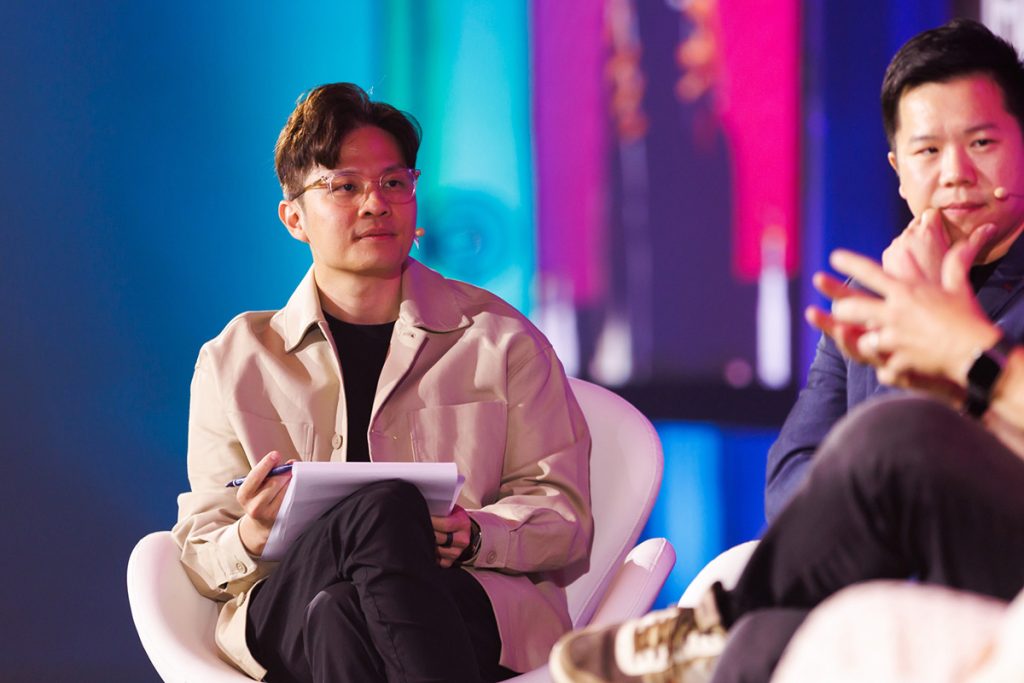
Marcus Yong: The future of travel discovery is no longer linear – it’s social, messy, algorithmic, but still human. Our job isn’t to control the wave, but to ride it.
Riding the wave
As Marcus wrapped, he reminded the room: “The future of travel discovery is no longer linear – it’s social, messy, algorithmic, but still human. Our job isn’t to control the wave, but to ride it.”
From the clash of perspectives emerged a shared conviction: in the age of AI and endless scrolls, the power of travel storytelling still lies in what makes us feel. Because whether it’s one click away or one story away, the journey always begins with curiosity.