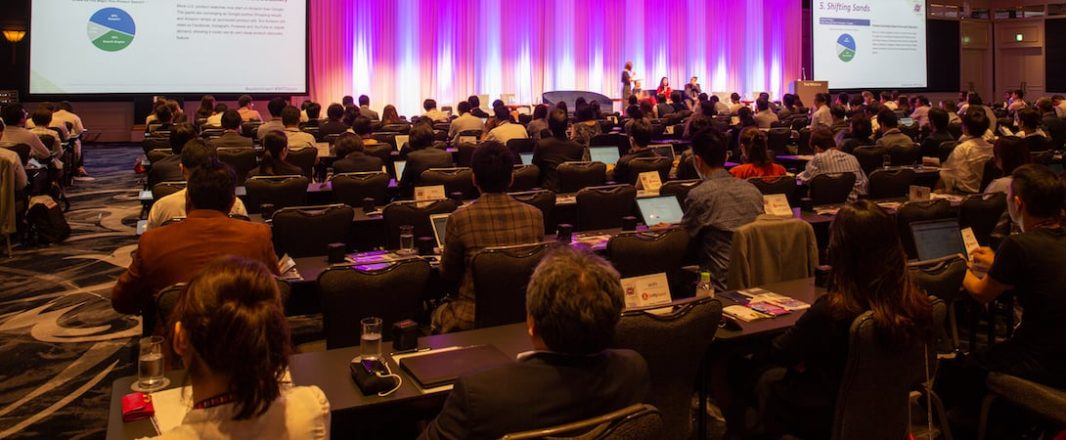
In this second of the series of articles around our WIT Singapore 2018 Conference theme of “Through The Looking Glass”, where we look outside travel in search of different stories and lessons, we turn to Japan’s third largest convenience store chain, Lawson, on how it is evolving its traditional brick and mortar model through digital innovation.
In trying to build a convenience store for the future, Lawson, which has more than 14,000 stores throughout Japan and 6,404 employees, knew it would have to look outside its own walls and bring in innovation from the outside.
When it became increasingly obvious that “innovation won’t happen in the meeting room” and it had to embrace mobile to create stronger touch points with the customer, it opened a Lawson Open Innovation Lab last October 2017.
Within the lab, based in Shinagawa, Lawson members and partners are encouraged to test out new, experimental technology and provide feedback on their user experience. The technology that passes this level of user testing will eventually be rolled out to Lawson’s main stores.
Shoichi Tanida, Digital Retail Project Manager, Lawson, said, “At this moment and you want to buy something, you can go to the store and check its inventory… however, with our new technology, we can help customers visualise our whole inventory in real-time, so you don’t have to [physically] go to the store to check.”
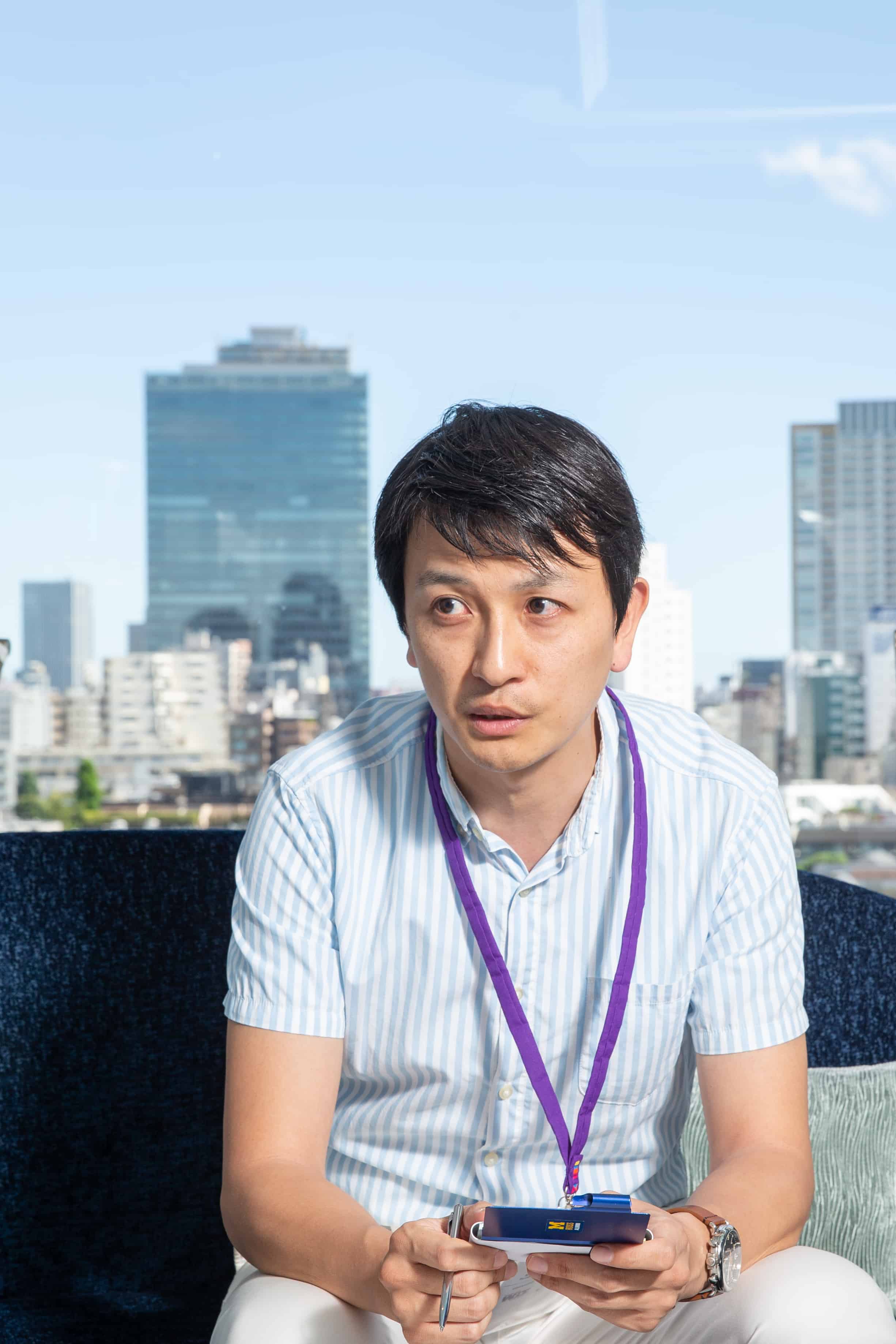
Shoichi Tanida, Lawson Inc.
It can then use that user’s search information to develop personalised recommendations and tailored offers that boost the likelihood of a customer making a purchase.
It is also developing ways to introduce automated dynamic pricing on products nearing the end of their shelf life with the intent of selling more and wasting less.
The move was inspired by a Spanish supermarket, said Tanida, which developed the method to reduce the manpower demands it would typically require to manually check inventory.
Of course, dynamic pricing is no foreign concept to the travel industry as flight and hotel booking costs rise and fall like sound waves in the lead-up to an actual booking date. However, whether it is being done in an optimal way is always under debate.
Lawson’s biggest stride, said Tanida, is to develop its AI (artificial intelligence) and IOT (Internet of Things) devices in an effort to amass greater volumes of consumer data.
“The data we can get through our brick and mortar stores is quite limited… however, we can get a lot of information through customers’ devices,” said Tanida. “We are trying to integrate new data as big data so we can maybe sell that data to other agencies and manufacturers to create new revenue streams.”
It is part of Lawson’s key efforts to address the nation’s declining population. Tanida stated that instead of shifting targets or expanding from a shrinking customer base (influenced by factors like Japan’s ageing populations) to new pools, Lawson’s strategy is to instead dig even deeper when hunting for alternative revenue streams.
“This innovation should be a key factor to building new revenue for Lawson.”
Given its physical coverage in the country, Tanida strongly hinted that members of the travel industry might find real value in the data Lawson collects. It would act as a snapshot of Japanese mobile shopping behaviours and preferred payment methods.
Lawson, like many within travel, is taking assertive steps toward automating much of its traditional, human-led processes. It is seeking out ways to personalise its relationships with individual customers. It is exploring how to leverage that data as a new revenue stream.
Most of all, Lawson is embracing a ‘test and learn’ approach, refusing to rest on its laurels as one of Japan’s largest retailers, to guarantee its relevance in the future.