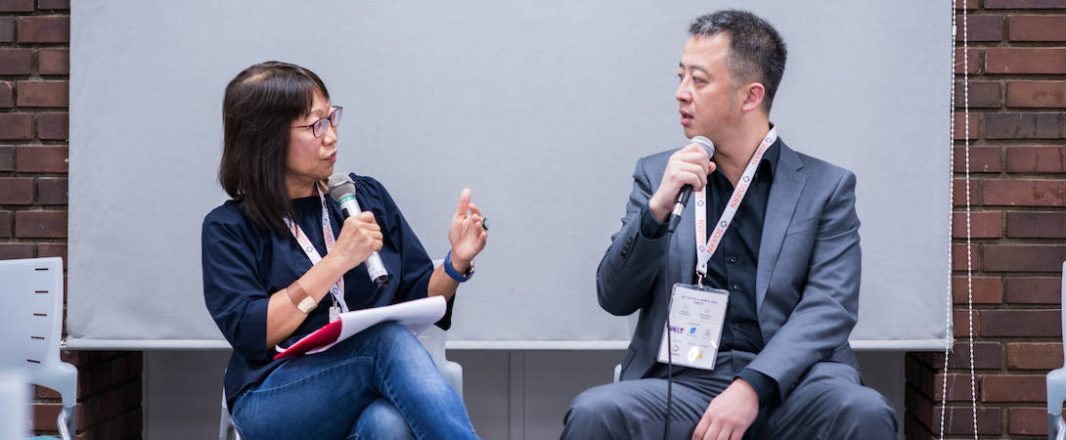
Like many entrepreneurially-minded individuals, Hai Zhuang, President, Tujia Holdings, was driven by the ambition to make an impact on the world through his work.
At the WIT Japan & North Asia 2017 Bootcamp, Zhuang recounted his eight years’ experience as a Microsoft engineer, and how his broader ambitions pushed his leap into the startup world, when he joined the founding team of Chinese vacation rentals site Tujia which has since grown into one of China’s travel unicorns.
“I had always wanted to come back to China and be a part of the greatest economic event in the century. In the job I worked for in Microsoft, I was part of a global effort. It’s a great company and a great product but it wasn’t China specific.”
It wasn’t easy though transitioning from a role as engineering director at Microsoft into a more managerial position.
“Being an engineer, many things are certain. If you look at a problem, you know how difficult it is and you know how to approach it… that’s the mindset of an engineer.
“In the operations side of the business, there are lots of open questions… and you have to try to not just focus on one problem, but know how to take uncertainty. I think it’s more interesting,” he continued.
Zhuang said that undertaking the new responsibilities and being under different kinds of pressure in a managerial role is not something anyone can easily prepared for. 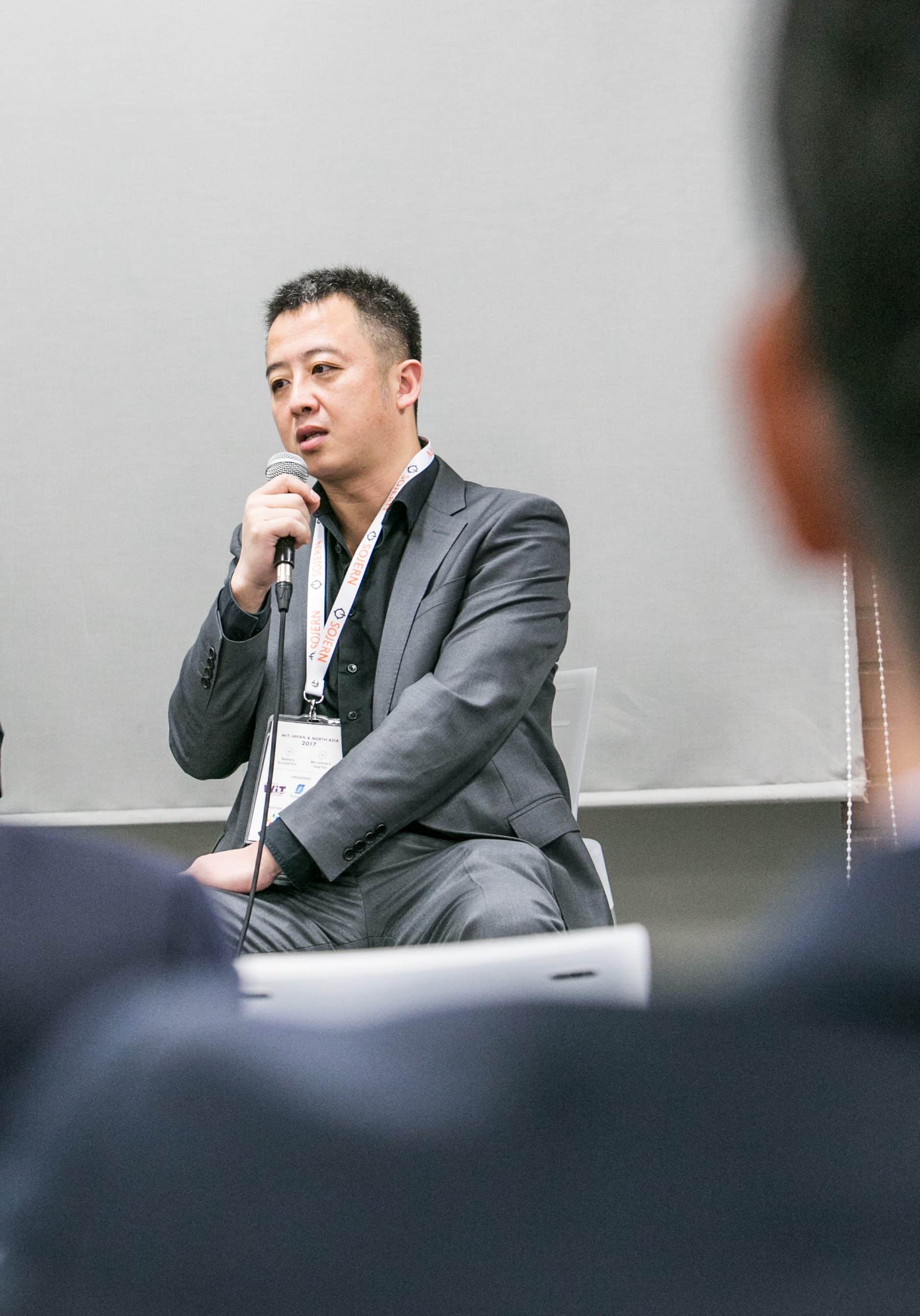
“There is no book that is going to tell you what you have to face.” Instead, it is more effective to dive straight in, to see how all the parts move and understand how everything contributes to the bigger picture. The different demands forced him to completely adjust his working style that would better enable him achieve longer-term targets and goals, instead of simply working to develop immediate solutions.
Adapting to this mindset also reinforced the importance of building strong teams for the business to fulfil its potential.
“I want team members to be frank, self-driven and co-operative. Those are things I want to practise as well,” said Zhuang. He recalled how building the team in its earlier stages involved finding people with the right attitude that would help Tujia flourish.
“I think the culture of the company is defined by the first 100 employees. When we hired our first 100 employees, every single one of them had the mentality of building a startup and we’re still a relatively small player. We’re not as big as Airbnb globally or Ctrip in China. It’s a new domain and we have to adapt to changes every single day.
“I was actually very proud that I knew almost everyone’s name in the company for the first three years, but now it’s impossible,” as Tujia’s team has risen to over 4,000 people.
Yet despite the company’s rapidly increasing size, Zhuang said that it has not been too difficult to maintain the ‘startup culture’ that many companies often lose with scale. This, he puts down to the fact that “[Tujia is] pretty fortunate that none of our investors interfere with our daily operations.”
This same practice has fed into Tujia’s own investment strategy as the company attempts to build a bigger stake in China and beyond.
Tujia Holdings was set up to invest in startups that will contribute towards its longer-term ambition of developing a ‘property rental’ ecosystem that will cater to the market of1.3 billion Chinese travellers, by equipping property owners with all the necessary tools to help them succeed on Tujia’s platform.
“Vacation rentals, especially in China, is very different from traditional hotels… the business chain is very long. Lots of owners need our help to run their business and most of the time, they’re not equipped with the resources and tools to do so. We want to make sure we can enable them with these… We want to create a whole ecosystem to help hosts run their businesses to cater to these travellers.”
He said, “We’re trying to build a standard for China vacation rentals. When we started the business in 2011, property rental didn’t really exist in China.”
Tujia also had to overcome the challenge of consumer scepticism regarding how well privately-owned properties could be managed as holiday rentals. Tujia thus set up an offline part of the business, where local teams are present to assist with tasks like check-in and out, and housing inspections. It worked to provide a standard of service that customers would then come to expect of all Tujia properties.
“We have 20,000 properties managed by Tujia, under the Sweethome brand. On our platform, we have 500,000 properties. We still are a platform but the ‘brick’ part is basically our foundation” that delivers a consistency in customer experience.”
The success of Tujia’s business model in China has undoubtedly helped its expansion globally. Yet, Zhuang is quick to caution that Tujia’s business models will vary when entering different markets. The ability to succeed in any market outside China, Zhuang says, largely depends on Tujia’s ability to build a strong local brand in each destination.
In terms of new technology, Zhuang is currently watching the Artificial Intelligence space and testing in the area. “We want to make sure we understand and predict [consumer] behaviour better…to build a service around their needs rather than selling to them.”