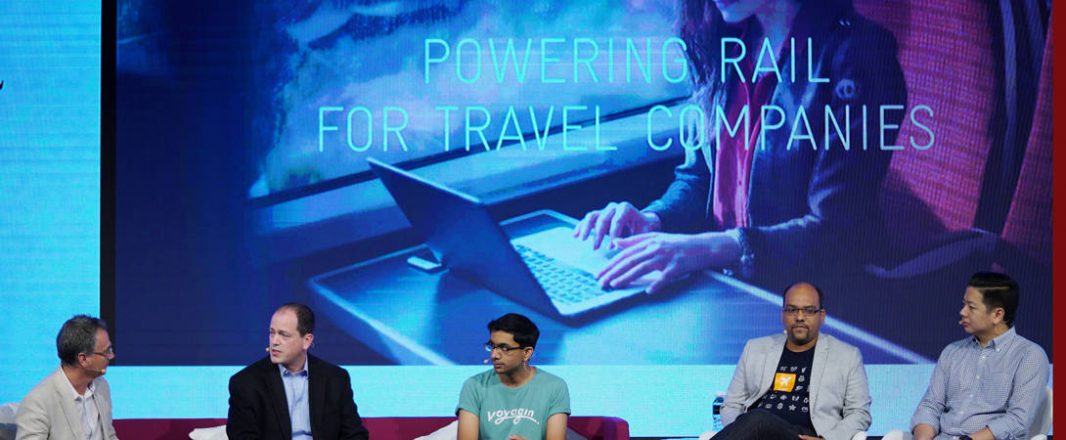
Rail travel is a huge business. The industry is estimated to be worth US$350 billion – about two-thirds the airline industry.
In India, for example, 90% of the population have never flown but everyone would have travelled by the railway — run and subsidised by the government.
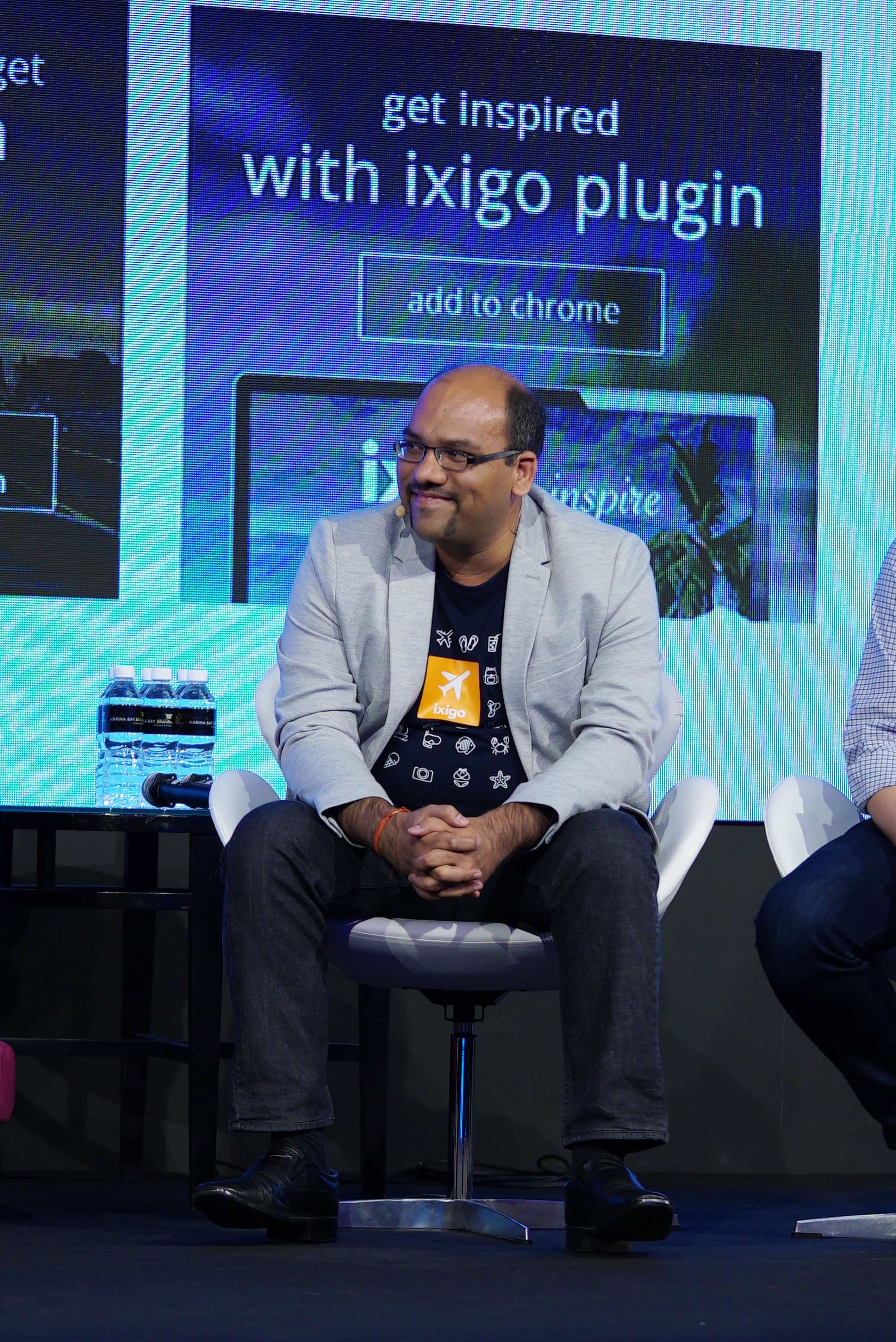
Aloke Bajpai of ixigo
Aloke Bajpai (pictured left), CEO & co-founder, ixigo, said there are 25 million daily travels on the Indian rail network, amounting to seven or eight billion trips annually. About 1.4 to 1.5 million tram tickets are sold online a day.
In Indonesia, there are 33 million long haul rail tickets sold annually, said Gaery Undarsa, co-founder & chief communication officer, Tiket.com. Queues used to form overnight at stations during the Muslim holidays.
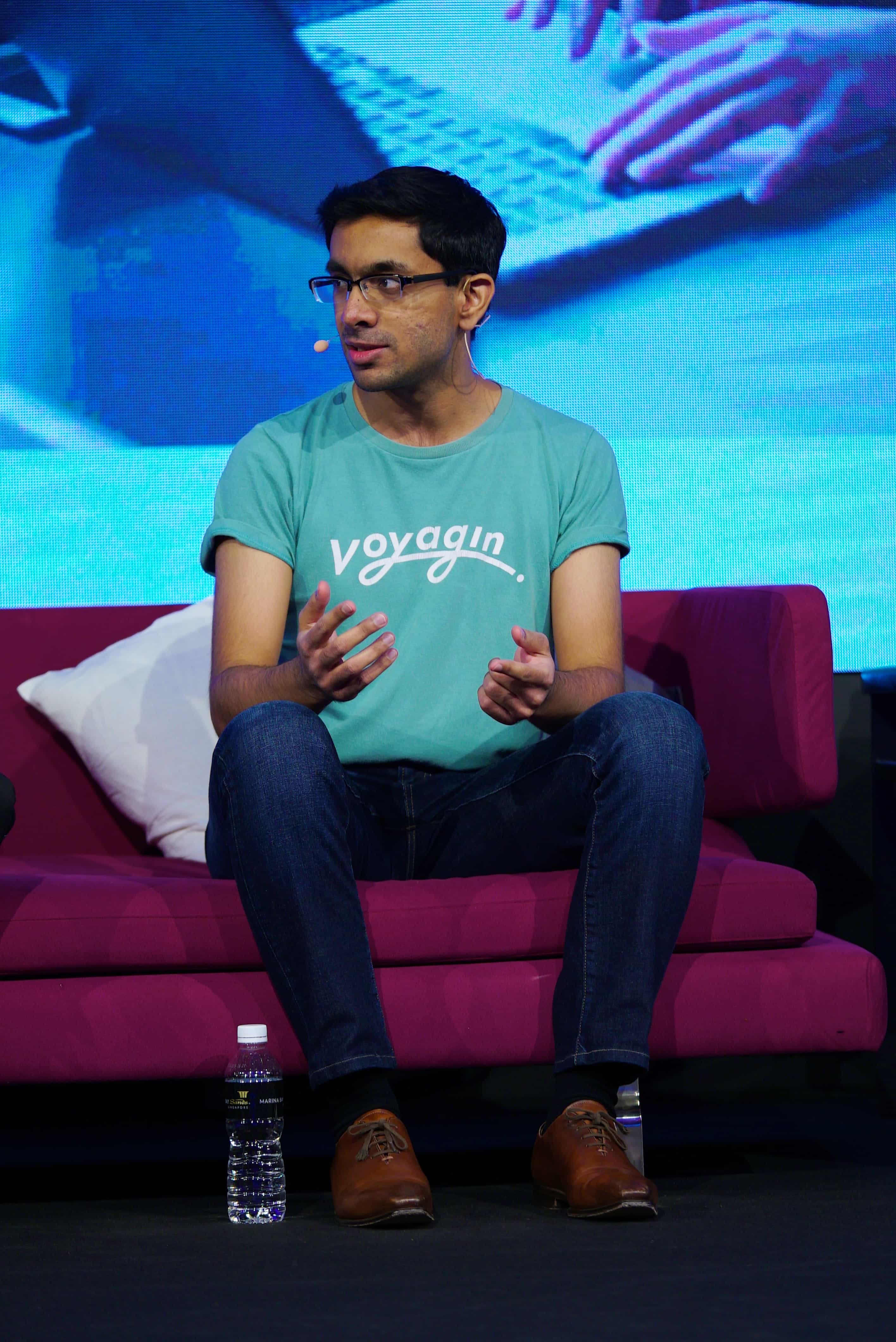
Tushar Khandewa of Voyagin
Meanwhile, Japan’s railway is an $80 billion industry, estimated Tushar Khandelwal (pictured right), COO and co-founder of Voyagin.
Yet, the industry has been slow to adopt technologies largely because many railways are state-owned monopolies who do not see a need to innovate, said Will Phillipson, co-founder & COO, SilverRail Technologies.
“There are a lot of things about rail that make it more complicated than air. There are no standardisations, and in a lot of countries, you can’t even buy tickets online,” he said.
Tiket.com, ixigo and Voyagin said it took many meetings, negotiating and baby steps to convince the national railways to work with them.
Khandelwal said: “We work with Japan Rail; they provide us with ticket printing machines and when someone buys a ticket, we print it in our office and deliver it to the hotel. We’re forcing this industry to be online.”
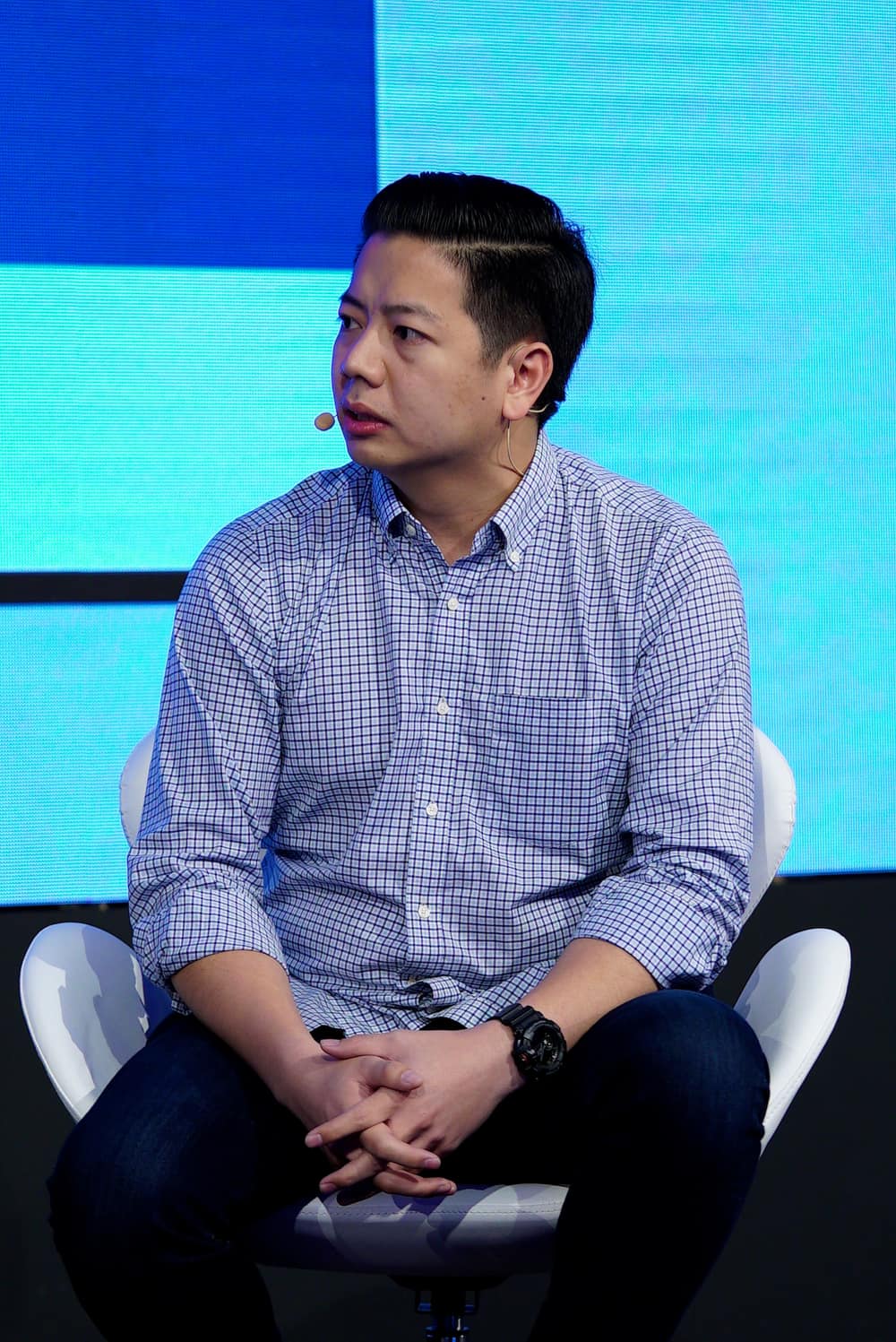
Gaery Undarsa of Tiket.com
But because rail tickets are relatively inexpensive, distributors like Tiket.com only get $1 per rail booking, said Undarsa (pictured left).
The companies say the money lies in ancillary products. Undarsa said: “You can’t go everywhere on a train in Indonesia. At the end of the day, you need to buy air tickets. When we first started selling the rail tickets, everything started moving really crazy — air tickets sales started going up, as did hotel bookings.”
Said Bajpai: “Monetising comes from all the other ancillaries like hotels, cabs, Uber, and bus tickets.” That’s where its app comes in, while people are waiting or sitting in their trains, they have time to buy.