They came, they pitched and they won. They are the startups at the WiT Bootcamp, held in conjunction with the annual WiT conference, who returned to share their journey at this year’s event.
Troovo, a virtual payment processing system for the corporate travel industry, was the winner last year while Travelsify, a hotel ‘DNA’ content platform was the finalist. Backstreet Academy, a peer-to-peer impact travel platform offering on-demand unique travel experiences crafted by local experts in developing countries, was the People’ Choice in 2016. Two years earlier, in 2014, Spacebase, a marketplace connecting event and meeting organisers with unique venues around the world, was the winner.
Rasing funds and deciding where to take the company on its next growth stage are among the many challenges for these startups.
Travelsify, which secured a round of funding from Accor recently, related that her company spent six monthw in raising money and among some the most difficult things was to be able to grow the company and show KPIs every few weeks.
“This is very difficult and I think every startup is facing the same issue. We’re a small team of 20, so we need to meet investors and clients and find the right investors, and need to be selective in VCs or investors,’ said Alexandra Fernández Ramos, Travelsify chief product officer & co-founder.
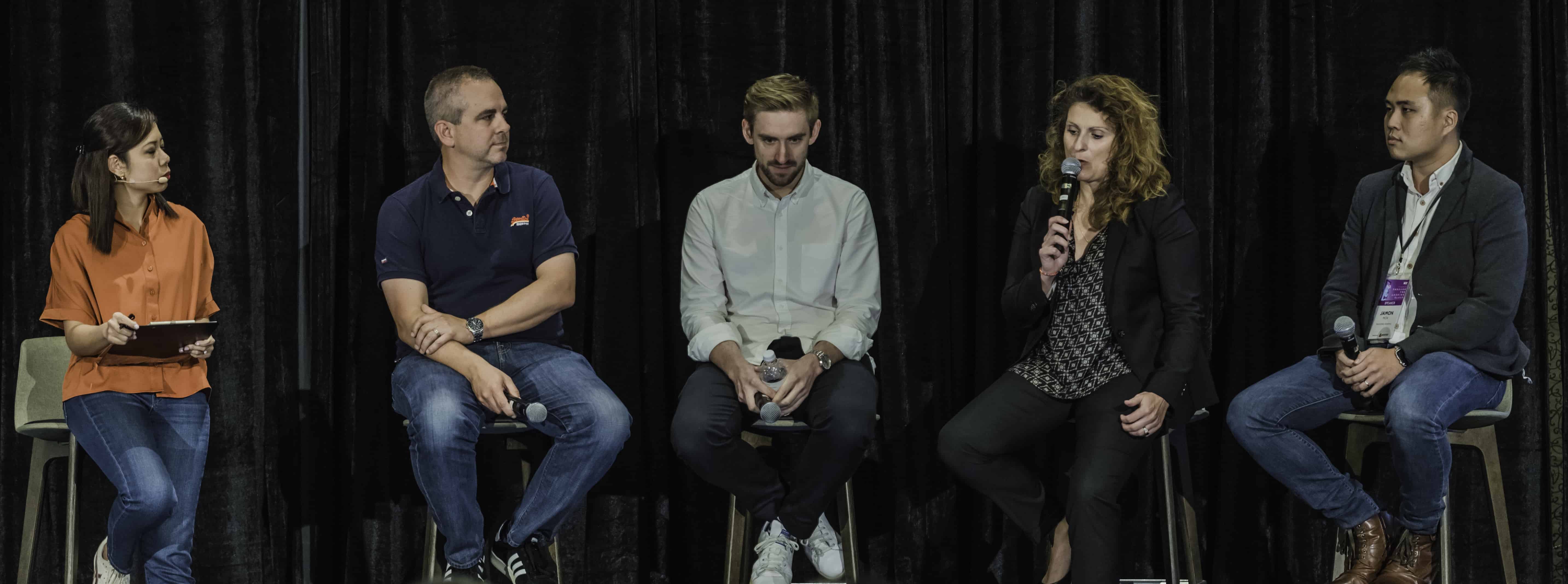
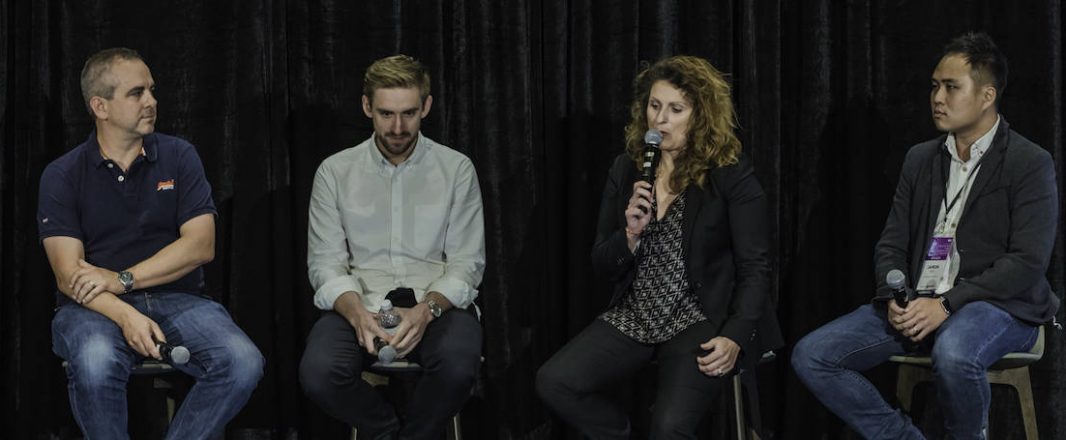
WiT Startup Alumni (from left) Syazanah Haniff, Travelport; Kurt Knackstedt, Troovo; Julian Jost, Spacebase; Alexandra Fernández Ramos, Travelsify; Jamon Mok, Backstreet Academy
For Troovo, despite having its initial seed investor still on board and is growing the company with end solutions globally, it is evaluating how to take it to the next level.
“Our investors have been great so far, but it’s also not just about the money itself but who’s behind it and what we can do beyond money. We’re moving more into the payment space even though travel is our core and our home,” said its CEO Kurt Knackstedt.
Payment is now becoming a huge part of Troovo’s business from a B2B perspective, with a completely different eco system and different backers. “We’re now attending fintech and banking, which is a whole different world.
Backstreet Academy faces the perception that the social enterprise aspect did not add value to their business aspect. “It’s hard to find people to see that our social aspect actually add a lot of value in giving us very unique inventory in experiences,” related Jamon Mok, Backstreet Academy founder and CEO.
The company survived a few years, and then it received a break in 2017 when it clinched the top grant of €400,000 from Booking.com’s first accelerator programme for startups in sustainable tourism, Booking.com Booster.
“It was amazing as Booking.com has all the travel expertise and also see the need for sustainability in travel.”
Spacebase also did not have a very smooth ride and had to make changes along the way. “The first year a lot moved but nothing in the right direction, so we had to do a lot of different things like knocking on doors to get things off the ground. We realised we needed a pivot,” recalled its CEO Julian Jost. It basically scraped out the whole portfolio it acquired and rethought who its customers are and set up a B2B marketplace to focus on companies to find the perfect meeting place.
On the best advice received from the WiT community they listed them as: be prepared to pivot, be open to new ideas, don’t be shy and write your own playbook.
• Images credit: Shoot My Travel